Why Oversharing on Social Media Can End Your Career and How to Protect Yourself
Why Oversharing on Social Media Can End Your Career and How to Protect Yourself
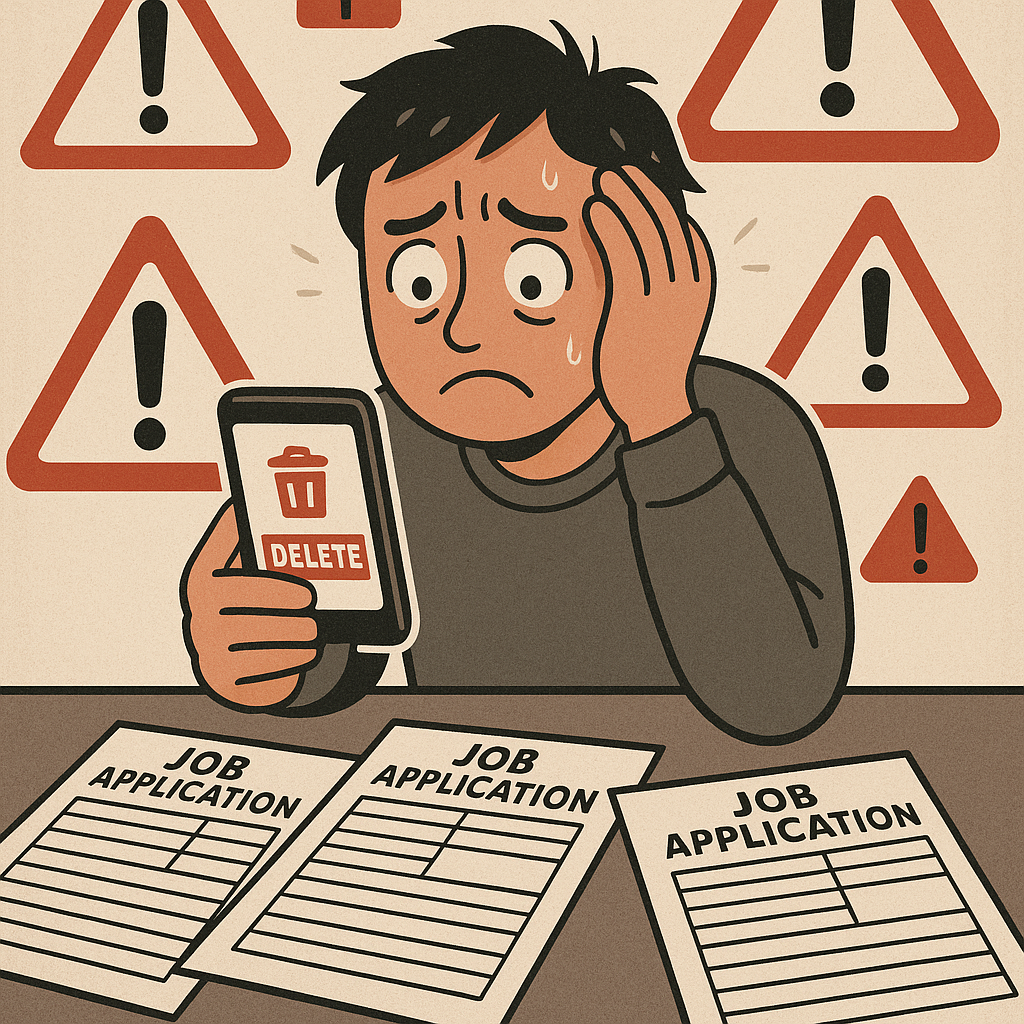
A single LinkedIn post celebrating workplace confidence led to a targeted cyberattack that cost a company $1.5 million in ransom demands. The breach started with an employee who shared personal information online—details about favorite sports teams, workplace achievements, and security practices. Cybercriminals used this publicly available information to bypass authentication systems, exploit security notifications, and gain complete network access.
This scenario plays out repeatedly across industries. Non-technical professionals unknowingly create security vulnerabilities through social media behavior that seems harmless. The gap between “posting about work” and “enabling a cyberattack” is smaller than most people realize, and the consequences extend beyond corporate losses to individual career damage and job termination.
Professional oversharing creates three primary risks: targeted cyberattacks against employers, career damage from inappropriate content, and identity theft. Understanding how these risks emerge from everyday social media behavior provides the foundation for building security-conscious habits that protect both personal and professional interests.
How Social Media Creates Security Vulnerabilities
Cybercriminals conduct detailed reconnaissance before launching attacks. Public social media profiles function as intelligence gathering tools that reveal information useful for bypassing security measures and building convincing social engineering attacks.
The information most people share freely serves specific attack purposes. Sports team preferences commonly appear in security questions. Posts about workplace achievements reveal organizational structure and technology systems. Location check-ins establish routine patterns. Even seemingly innocent details like graduation years, pet names, or favorite restaurants become tools for guessing passwords and answering verification prompts.
The Verizon Data Breach Investigations Report consistently shows that over 80 percent of breaches involve human error or social engineering. These attacks succeed because attackers leverage personal information to build credibility, bypass technical controls, and manipulate targets into making security mistakes.
A documented case illustrates this process. An executive posted about being an LSU fan across multiple social platforms. This detail appeared publicly on LinkedIn, Facebook, and Instagram. When cybercriminals attempted to access corporate systems, they encountered a security question: “What is your favorite sports team?” The answer was available through a simple Google search. This single piece of information, shared casually across years of posts, became the key to bypassing authentication and initiating a ransomware attack.
The Sports Fan Vulnerability Pattern
Personal interests create predictable patterns that attackers exploit systematically. Sports preferences, alumni affiliations, hobby groups, and entertainment tastes all represent potential security weaknesses when shared in combination with workplace information.
The pattern works because security questions rely on personal trivia meant to be memorable but not public. Organizations implement these questions assuming the answers remain private. Social media undermines this assumption by making personal trivia searchable and permanent.
Attackers cross-reference multiple data sources to build complete profiles. A LinkedIn post mentions working in data security. A Facebook post shows LSU gear. An Instagram story tags Tiger Stadium. A Twitter account follows LSU sports news. Each individual post seems harmless, but the aggregate creates a detailed intelligence file that reveals security question answers, builds rapport for phishing attacks, and identifies high-value targets within organizations.
The 2025 Microsoft Digital Defense Report documents a 40 percent increase in attacks exploiting user-provided personal information. This growth reflects both the volume of data available through social media and the sophistication of tools attackers use to harvest and analyze that information.
The Overconfidence Trap and Professional Humility
Public confidence about security capabilities attracts targeted attacks. Posts declaring “we’ll never be hacked” or “our security is impenetrable” challenge attackers to prove otherwise. This phenomenon creates a specific category of breach where the initial reconnaissance includes searching for overconfident security claims.
Security professionals recognize that absolute statements about protection invite scrutiny. Attackers monitor corporate announcements, employee posts, and news coverage for organizations that publicly minimize risk. These targets become proving grounds where successful attacks generate greater attention and demonstrate capabilities.
Beyond attracting attacks, overconfident posting damages credibility when breaches inevitably occur. Executives who publicly claimed invulnerability face career consequences when their organizations suffer security incidents. The contrast between confident declarations and actual outcomes creates lasting professional reputation damage.
Professional humility regarding security acknowledges that protection requires constant vigilance rather than achieved perfection. Organizations that communicate realistic security postures—acknowledging risks while describing controls—present less attractive targets and maintain credibility when incidents occur.
The MFA Fatigue Attack Vector
Multi-factor authentication protects accounts by requiring verification beyond passwords. Attackers have developed techniques to weaponize the frustration users feel when receiving legitimate verification prompts. MFA fatigue attacks send continuous authentication requests until users approve them simply to stop the notifications.
The documented scenario involved an employee receiving repeated push notifications on a personal device. The frequency—multiple notifications per minute—created genuine annoyance. Eventually, the user clicked “approve” to stop the interruptions without verifying whether the requests were legitimate. That single frustrated click granted attackers complete access to corporate systems.
This attack succeeds because it exploits human psychology rather than technical vulnerabilities. Users understand they should verify authentication requests. The volume of requests creates a situation where the normal security-conscious response—carefully checking each notification—becomes impractical. Frustration overrides caution.
Distinguishing legitimate from malicious authentication requests requires specific verification behaviors:
- Check whether the request timing aligns with actions taken (attempting to log in triggers expected prompts)
- Verify the geographic location of login attempts when notifications provide this information
- Reject requests that occur without attempting to access systems
- Contact IT security immediately when receiving multiple unexpected prompts
- Use authentication apps that require numeric code entry rather than simple approve/deny prompts
The “take five seconds to verify” approach prevents fatigue attacks while maintaining security. Organizations that educate users about verification processes reduce the likelihood that annoyance will compromise security controls.
The Master Password List Disaster
Non-technical employees sometimes create password documentation with helpful intentions. These “master lists” consolidate credentials for easy reference, solving the practical problem of remembering multiple complex passwords. The convenience creates catastrophic single points of failure.
A documented incident involved a mid-sized organization where an administrative employee maintained a spreadsheet containing passwords for multiple systems and accounts. The employee stored this file on a network drive and shared it with colleagues who needed system access. The practice developed organically as a practical solution without security review.
Attackers gained access to the network through phishing. Once inside, they discovered the password spreadsheet during routine file searching. The consolidated credentials provided immediate access to financial systems, customer databases, and administrative controls. The helpful list became the primary breach vector that enabled data exfiltration and ransomware deployment.
This pattern repeats because password management presents genuine usability challenges. Complex passwords across multiple systems exceed human memory capacity. Writing them down or storing them in documents addresses the practical problem while creating security vulnerabilities.
The appropriate solution involves password managers—applications designed specifically for secure credential storage. Password managers encrypt stored passwords, require master authentication, and integrate with browsers and applications to reduce the friction of complex password management. Organizations should provide approved password management tools and training rather than allowing informal documentation practices to develop.
The transition from informal lists to formal password managers requires acknowledging the legitimate problem employees solve through documentation while providing secure alternatives that meet the same practical needs.
Backup Failures and Shared Responsibility
Technical failures in backup systems create consequences that extend beyond IT departments to affect all employees. When organizations discover corrupted backups during incident response, the inability to restore systems translates directly to productivity loss, deadline failures, and job performance problems for non-technical staff.
A case study involved a ransomware attack where the organization maintained regular backup schedules. The response plan assumed backup restoration would enable recovery. During the attempted restoration, the team discovered the backup files were corrupted—compromised during the initial attack or through gradual technical failures that went undetected.
Non-technical employees who assumed “IT handles backups” found themselves without access to work files, project documentation, and communication records. The backup failure affected performance reviews, project completion, and ultimately job security. The technical problem became an individual career problem because employees lacked personal data protection strategies.
Shared responsibility for business continuity means understanding that IT backup systems represent organizational protection while individual backup practices provide personal protection. Employees should maintain personal copies of critical work documents, use cloud storage with version history, and understand recovery procedures.
This approach acknowledges that organizational backup strategies may fail while providing individual resilience. The recommendation extends beyond security to general career protection—maintaining access to work products regardless of organizational technical failures.
Conducting a Social Media Security Audit
Systematic review of existing social media presence identifies specific vulnerabilities before attackers exploit them. The audit process examines what information appears publicly, how it connects to workplace security, and where privacy controls need adjustment.
The first step involves comprehensive searching. Google searching personal names reveals what information appears in public search results. This external perspective shows what attackers see during initial reconnaissance. The search should include name variations, email addresses, and usernames used across different platforms.
Platform-specific review examines content chronologically. Facebook posts from 2009 may contain information that seems irrelevant but reveals security question answers. Instagram stories expire but may contain location patterns or routine information. LinkedIn posts about workplace achievements may reveal organizational structure or technology details.
Specific content categories require attention:
- Posts revealing security question answers (pet names, favorite teams, graduation years, first car models)
- Location information that establishes routines or workplace addresses
- Workplace details about systems, security practices, or organizational structure
- Personal grievances about employers or colleagues
- Photos containing visible badges, documents, or computer screens
- Family information that could be used for pretexting attacks
Privacy settings require platform-specific configuration. Facebook offers granular controls for who sees posts, profile information, and friend lists. LinkedIn allows limiting profile visibility while maintaining professional networking capabilities. Instagram supports private accounts that require approval for followers.
The audit should also address dormant accounts. Social media platforms from 2009—MySpace, old forum profiles, defunct networking sites—may still contain personal information. These accounts should be deactivated or deleted when possible. When deletion isn’t available, removing personal information and changing passwords provides minimal protection.
Practical Posting Guidelines for Career Protection
Establishing clear boundaries for professional social media use prevents security vulnerabilities while maintaining career networking benefits. The guidelines balance visibility for professional development against risks from oversharing.
The “grandma test” provides a simple heuristic: content appropriate for parents, children, or employers to see meets basic appropriateness standards. This test catches obviously problematic content but requires supplementation with security-specific considerations.
Workplace content requires particular caution. Posting about achievements should avoid specific technical details. “Successfully completed a project migration” communicates accomplishment without revealing “migrated customer database from Oracle to PostgreSQL, bypassing security controls that flagged the transfer.” The latter provides attackers with technical intelligence about systems and potential vulnerabilities.
Security-related statements warrant complete avoidance. Never post about security practices, vulnerability testing, incident response, or protection capabilities. These topics attract attention from both legitimate security professionals and malicious actors. Organizations with communication policies about security information should enforce them consistently.
Personal information sharing should follow deliberate limits. Hobbies and interests can appear in profiles without specific details that answer security questions. “Sports fan” differs from “LSU Tigers superfan since 1995 when I attended my first game at Tiger Stadium.” The former maintains personality while the latter provides security question material.
The hybrid account strategy separates professional and personal presence. LinkedIn maintains public professional visibility with controlled information. Facebook and Instagram remain private, requiring friend approval, with limited personal sharing even within those boundaries. Twitter requires particular caution since public tweets are permanent, searchable, and frequently used for professional commentary that blurs personal and workplace topics.
Cross-platform consistency matters for security. Using different photos, usernames, and biographical information across platforms prevents easy correlation. Attackers who find controlled LinkedIn profiles shouldn’t easily discover more open Facebook profiles through simple reverse image searching or username matching.
The Current Threat Landscape and Career Implications
As of mid-2026, artificial intelligence tools accelerate the reconnaissance process that makes social media oversharing dangerous. Automated systems scrape public profiles, correlate information across platforms, and build detailed target profiles faster than human analysts. The scale of data collection means casual posts from years ago can surface during current attack planning.
The career implications extend beyond security incidents to hiring decisions and professional advancement. According to NextAdvisor, 30 percent of Facebook users lack private profile settings, leaving personal information visible to prospective employers and recruiters. Hiring managers routinely review social media during candidate evaluation. Content that suggests poor judgment, unprofessional behavior, or security risks influences hiring decisions.
The permanence of digital content means mistakes remain searchable indefinitely. Posts that seemed acceptable in 2015 may appear problematic under 2026 professional standards. The inability to completely remove content from the internet creates lasting professional risk from past oversharing.
Organizations increasingly include social media policies in employment agreements and security training. Violations of these policies can constitute grounds for termination regardless of whether they result in security incidents. The professional expectation has shifted from “social media is personal” to “social media reflects on employer reputation and security.”
Building Security-Conscious Habits
Long-term protection requires developing habits rather than implementing one-time fixes. Security-conscious social media use becomes automatic through deliberate practice and regular reinforcement.
The pause-before-posting habit provides a simple intervention point. Before publishing any content, take five seconds to consider security implications. Does this post reveal workplace details? Could it answer a security question? Would it help someone target the organization? This brief pause catches problematic content before it becomes permanent.
Regular profile reviews maintain current privacy standards. Quarterly audits of privacy settings, content review, and platform policy updates ensure protection adapts to changing platforms and threat environments. Social media companies modify privacy settings and default behaviors frequently—assumptions about protection may become outdated without active monitoring.
Verification behaviors for security notifications should become reflexive. Every authentication request warrants deliberate verification regardless of timing or frequency. The habit of checking before approving prevents fatigue attacks while maintaining legitimate access.
Password hygiene extends beyond using complex passwords to include systematic management practices. Using password managers for credential storage, enabling multi-factor authentication on all accounts, and never sharing passwords through insecure channels like email or messaging apps form the foundation of credential protection.
The collective responsibility perspective recognizes that individual security practices affect team members and organizational security. A single compromised account can enable attacks that affect entire departments or companies. Viewing security as shared responsibility rather than individual concern changes behavior patterns and increases overall protection.
Moving Forward with Informed Digital Presence
Social media provides legitimate professional benefits for networking, career development, and industry engagement. Eliminating digital presence entirely isn’t necessary or advisable for career success. The goal involves informed use that balances visibility benefits against security risks.
The transition from unconscious oversharing to deliberate digital presence requires understanding how information shared online enables attacks, damages careers, and creates lasting vulnerabilities. This understanding enables better decisions about what to post, how to configure privacy controls, and when to share personal information.
Protection emerges from consistent application of security-conscious practices rather than perfect execution. Reviewing past content, adjusting current privacy settings, and changing posting habits moving forward provides meaningful risk reduction even when complete digital hygiene remains impractical.
The investment in social media security protects both immediate career prospects and long-term professional reputation. Organizations increasingly view security consciousness as a professional skill rather than a technical specialty. Demonstrating good judgment about digital presence and information sharing signals professional maturity that benefits career advancement beyond preventing security incidents.
Enjoyed this article?
Subscribe to Professor Simon's weekly newsletter for practical insights, career guidance, and leadership lessons delivered every Friday.
A confirmation email will be sent. If you don't receive it, please check your spam or junk folder.
No spam. Unsubscribe anytime.
Prefer to Listen?
Listen to Professor Simon’s IT & Cybersecurity Podcast for practical conversations about cybersecurity careers, certifications, security leadership, and real-world lessons from the field.
Listen on Spotify