What Working in Cybersecurity Actually Looks Like Day-to-Day
What Working in Cybersecurity Actually Looks Like Day-to-Day
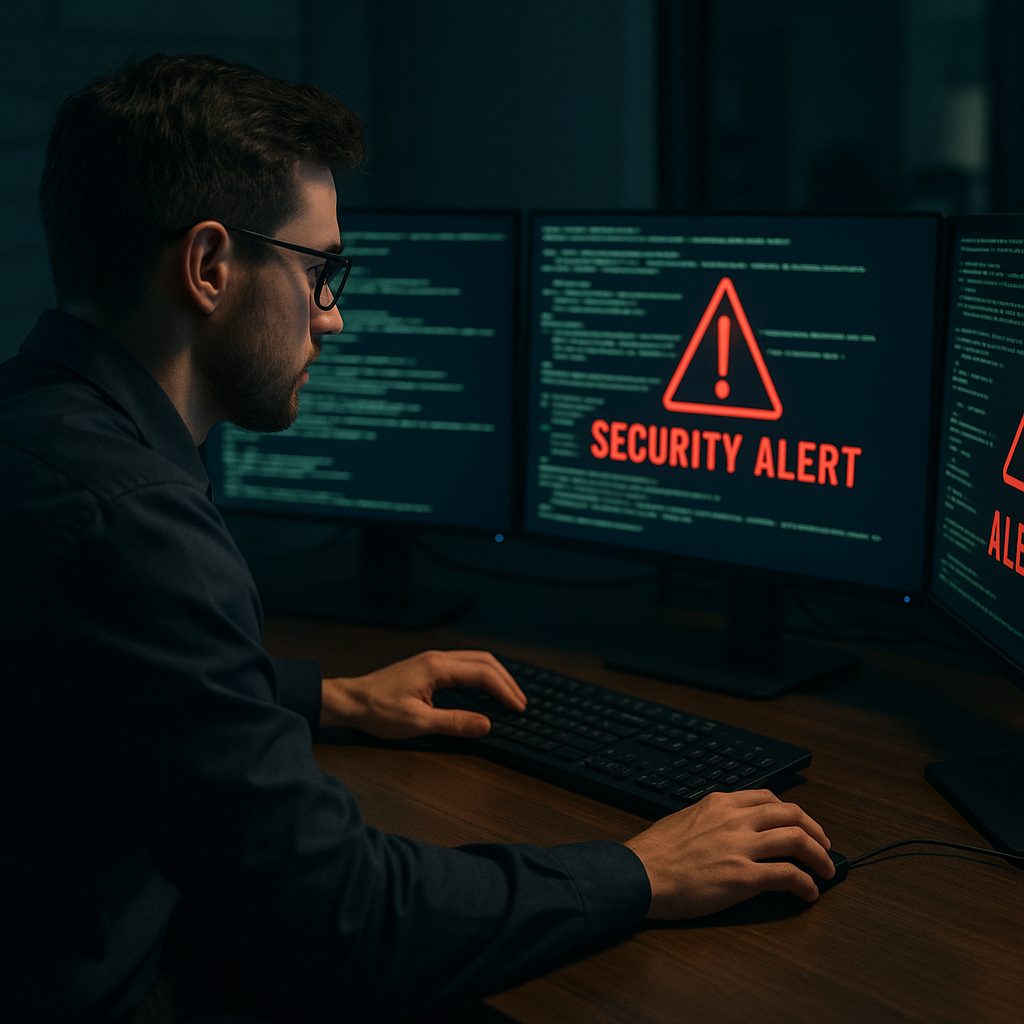
Cybersecurity careers attract thousands of newcomers each year, drawn by the perception of high-stakes digital battles and the promise of protecting organizations from sophisticated threats. Hollywood depicts security professionals racing against time to stop catastrophic breaches, their screens filled with cascading green code and flashing warnings. The reality looks nothing like this.
The typical cybersecurity workday centers on monitoring, documentation, compliance checks, and collaboration—not dramatic confrontations with hackers. Understanding this distinction matters for anyone considering a career transition into security. The field offers rewarding, stable work, but success requires embracing the predictable routines that actually keep organizations secure. Setting realistic expectations from the start prevents the disappointment that drives many talented professionals away within their first two years.
The Morning Routine: Email and Log Review
Most cybersecurity professionals start their day reviewing alerts and communications rather than actively hunting threats. Security analysts typically arrive between 8:00 and 9:00 AM to find dozens of automated notifications waiting in their inbox. These alerts come from intrusion detection systems, vulnerability scanners, antivirus software, and security information and event management (SIEM) platforms that monitor networks around the clock.
The first hour involves triaging these notifications to separate genuine security events from false positives. Research indicates that 80% or more of security alerts require no action beyond verification and logging. An analyst might investigate why a user account triggered unusual login behavior, only to discover an employee traveling for business accessed the VPN from a new location. Another alert about suspicious file activity resolves when the analyst confirms it’s legitimate software updating normally.
This triage process demands attention to detail and pattern recognition rather than technical wizardry. Experienced analysts develop instincts for which alerts warrant deeper investigation based on context clues like timing, affected systems, and user behavior patterns. They document their findings in ticketing systems, creating a paper trail that supports compliance requirements and helps teammates understand the security posture.
Email reviews also consume significant morning time. Security teams coordinate with IT departments, management, vendors, and occasionally external auditors. An analyst might receive questions about access requests, updates on patch schedules, or requests to review security policies. Some organizations hold brief morning standup meetings where security team members share overnight developments and coordinate priorities for the day.
Midday Work: Monitoring and Vulnerability Management
The core hours between 10:00 AM and 3:00 PM typically focus on active security operations and vulnerability management. This represents the most technically demanding portion of the day, though it still emphasizes systematic processes over improvisation.
Continuous Monitoring Activities
Security analysts spend considerable time watching dashboards and investigating potential issues flagged by automated systems. They review firewall logs to identify unusual traffic patterns, check endpoint protection consoles to verify all devices received the latest threat definitions, and examine access logs to ensure privileged accounts show appropriate activity.
Many organizations use tools like Qualys, Rapid7, or Tenable for vulnerability scanning. Analysts run scheduled scans against network segments, then review the results to prioritize which vulnerabilities require immediate attention. A critical-severity flaw in an internet-facing web server demands urgent action, while a low-risk finding on an isolated development machine might wait for the next maintenance window.
This work requires understanding both the technical aspects of vulnerabilities and the business context. An analyst must know which systems support critical operations, which vulnerabilities attackers actively exploit in the wild, and which fixes might disrupt legitimate business functions. They coordinate with system administrators and application owners to schedule patching, often documenting their recommendations in formal reports for management review.
Incident Response Preparation
Even when no active incidents require attention, security teams prepare for eventual problems. Analysts update incident response playbooks, test backup restoration procedures, and run tabletop exercises that simulate breach scenarios. They might spend an hour verifying that forensic tools remain properly configured or confirming that backup logs are collecting correctly.
This proactive work rarely feels urgent, but it determines how effectively teams respond when real incidents occur. Organizations that maintain well-documented procedures and regularly test their response capabilities recover faster and with less damage than those caught unprepared.
Compliance and Documentation
Security professionals dedicate substantial time to compliance-related activities that may seem bureaucratic but serve essential purposes. Organizations must demonstrate adherence to frameworks like NIST Cybersecurity Framework, ISO 27001, or industry-specific standards like HIPAA or PCI DSS. This requires maintaining detailed records of security controls, access reviews, risk assessments, and policy updates.
An analyst might spend an afternoon reviewing user access privileges, confirming that employees only maintain permissions appropriate for their current roles. They document findings in spreadsheets or governance, risk, and compliance (GRC) platforms, noting any anomalies that require remediation. This work protects the organization during audits and helps identify security gaps before attackers exploit them.
Afternoon Activities: Reporting and Collaboration
The latter portion of the workday often shifts toward communication and administrative tasks. Security operates as a shared responsibility across the organization, requiring ongoing collaboration with other departments.
Status Reports and Metrics
Security teams produce regular reports for different audiences. Technical staff receive detailed vulnerability reports with remediation guidance. Management reviews executive summaries highlighting key metrics like the number of incidents detected, average time to resolve issues, and compliance status. These reports inform resource allocation decisions and demonstrate the security team’s value to the organization.
Analysts spend time preparing these documents, translating technical findings into business language that non-technical stakeholders can understand. They might create graphs showing monthly trends in phishing attempts, tables comparing vulnerability counts across departments, or timelines documenting how quickly the team addressed security incidents.
Training and Awareness
Security professionals frequently deliver training to other employees or participate in their own continuing education. They might present during departmental meetings about new phishing tactics, conduct hands-on training for IT staff on security tools, or attend webinars to learn about emerging threats and defensive techniques.
Organizations with mature security programs recognize that technical controls alone cannot prevent all incidents. Human awareness remains critical, so security teams invest time developing training materials, running simulated phishing campaigns, and working with HR to integrate security into onboarding processes.
Vendor Management and Tool Configuration
Many security functions rely on third-party tools and services. Analysts coordinate with managed security service providers (MSSPs), antivirus vendors, and penetration testing firms. They might spend time reviewing proposals for new security products, configuring recently deployed tools, or troubleshooting integration issues between security platforms.
This work requires both technical understanding and project management skills. An analyst evaluating a new endpoint detection and response (EDR) solution must understand the technical capabilities, but also assess how well it integrates with existing workflows, what training staff will need, and whether the pricing aligns with budget constraints.
The Less Common But Critical Incident Response
While routine monitoring dominates most days, cybersecurity professionals must respond effectively when genuine security incidents occur. These events disrupt normal schedules but remain relatively infrequent for most organizations. A typical security analyst might face a handful of significant incidents per year requiring extended hours and focused attention.
Initial Detection and Scoping
When alerts indicate a potential breach or compromise, the response process begins with scoping the damage. Analysts quickly determine which systems attackers accessed, what data may have been exposed, and whether the threat remains active on the network. They collect evidence following forensically sound procedures, preserving logs and system images that might support later investigation or legal action.
This phase demands both speed and precision. Moving too slowly allows attackers more time to expand their access, but rushing through evidence collection compromises the ability to understand what happened and prevent recurrence.
Containment and Eradication
Once analysts understand the scope, they work to contain the incident by isolating affected systems, blocking malicious network traffic, or disabling compromised accounts. They collaborate with system administrators to remove attacker access while minimizing disruption to legitimate business operations.
Eradication involves removing the attacker’s presence entirely—deleting malware, closing backdoors, and eliminating persistence mechanisms. This requires thorough investigation because sophisticated attackers often establish multiple access methods.
Recovery and Lessons Learned
After removing the threat, teams restore affected systems to normal operation, verify the attacker no longer has access, and implement additional controls to prevent similar incidents. They document the entire response in detailed incident reports that capture timeline, actions taken, and recommendations for improvement.
Post-incident reviews help organizations strengthen their defenses. Teams analyze how attackers gained initial access, why existing controls failed to prevent the breach, and what warning signs went unnoticed. These lessons inform updated procedures, additional training, and investments in new security capabilities.
The GRC Path: A Different Daily Reality
Not all cybersecurity careers center on technical monitoring and incident response. Governance, Risk, and Compliance (GRC) roles focus on policy, risk management, and regulatory adherence, offering a distinct career path that suits different personality types and skill sets.
GRC professionals spend their days reviewing risk assessments, updating security policies, coordinating audits, and working with business units to ensure security requirements align with operational needs. They might start their morning reviewing vendor risk questionnaires, spend midday in meetings discussing compliance gaps with department heads, and finish the afternoon drafting updated data handling procedures.
This work allows for remote flexibility since it relies more on documentation and communication than hands-on system management. Many GRC analysts work from home, organizing their calendars around meetings with stakeholders while dedicating focused blocks to policy review and risk documentation.
The role demands strong communication skills, attention to regulatory requirements, and the ability to translate security concepts into business language. While less technically intensive than SOC analyst positions, GRC work critically influences organizational security by ensuring policies and procedures actually get implemented across the company.
Work-Life Balance and Schedule Flexibility
Cybersecurity careers typically offer reasonable work-life balance, though this varies by role and organization. Most security professionals work standard 40-hour weeks with occasional exceptions for incident response or scheduled maintenance windows.
Security Operations Center (SOC) analysts in organizations with 24/7 coverage might work rotating shifts, including nights and weekends. These shifts typically come with differential pay and allow for concentrated work periods followed by multiple days off. Other security roles maintain standard business hours with on-call rotation for after-hours emergencies.
The growth of remote and hybrid work has transformed cybersecurity scheduling. Many security tasks—log review, reporting, policy development, vulnerability management—work equally well from home offices as corporate locations. Organizations increasingly offer flexible arrangements, recognizing that security professionals can respond to alerts from anywhere with secure connectivity.
Incident response remains the primary exception to predictable schedules. When breaches occur, security teams work extended hours until the threat is contained. These incidents might require weekend work or late nights, but they represent occasional disruptions rather than constant expectations. Organizations with mature security programs compensate these hours with time off or additional pay.
Common Misconceptions and Reality Checks
Several persistent myths about cybersecurity work deserve correction, as they contribute to unrealistic expectations and career disappointment.
Active Combat With Hackers
The most pervasive misconception portrays cybersecurity as a constant digital battle between defenders and sophisticated adversaries. While advanced persistent threats and targeted attacks exist, the vast majority of security work involves preventing opportunistic attacks through proper configuration, patching, and monitoring. Success means nothing visible happens—attacks get blocked automatically, vulnerabilities get patched before exploitation, and users avoid phishing attempts due to training.
This preventive focus can feel anticlimactic for those expecting constant action. The most effective security professionals find satisfaction in the routine work that stops problems before they start, rather than the dramatic incident response that follows preventable failures.
Constant Technical Challenges
Popular perception suggests cybersecurity demands cutting-edge technical skills and constant learning of complex new concepts. While technical competency matters, much security work applies established best practices consistently. Configuring antivirus correctly, maintaining current patches, enforcing password policies, and reviewing access privileges represent proven defensive measures that require diligence more than innovation.
Career growth does require continuous learning since threats evolve and new technologies introduce fresh attack surfaces. However, the foundational work remains relatively stable, focusing on defense-in-depth principles that have protected organizations for decades.
Independence and Autonomy
Some newcomers expect security roles offer significant autonomy, but the reality involves constant collaboration. Security teams work closely with IT operations, development teams, management, and business units. Much of the workday involves meetings, email threads, and coordinating changes with other departments.
Effective security requires understanding how changes affect business operations and building relationships across the organization. The lone wolf security expert represents a harmful stereotype—real security success comes through partnership and shared responsibility.
Skills That Matter Beyond Technical Knowledge
Successful cybersecurity careers require a broader skill set than certifications and technical training alone provide.
Communication and Documentation
Security professionals must explain technical concepts to non-technical audiences, write clear policies that staff will follow, and document findings for compliance and incident response. Written communication skills often differentiate candidates in competitive job markets.
The ability to present security recommendations persuasively to management determines which initiatives receive funding and priority. Analysts who articulate security value in business terms—revenue protection, customer trust, regulatory compliance—advance more quickly than those who speak exclusively in technical jargon.
Analytical Thinking and Problem-Solving
Security work involves recognizing patterns, investigating anomalies, and determining root causes rather than just treating symptoms. Strong analytical skills help professionals triage alerts efficiently, identify which vulnerabilities pose genuine risk, and design effective security controls.
This thinking extends to understanding attacker motivations and likely tactics. Analysts who anticipate how adversaries might approach their organization’s specific environment prepare better defenses than those who simply implement generic security checklists.
Business Acumen
Understanding organizational priorities, budget constraints, and operational requirements helps security professionals recommend realistic solutions that stakeholders will actually implement. Security that disrupts critical business functions gets disabled or circumvented, undermining its protective value.
Effective analysts balance security ideals with practical constraints, proposing solutions that provide meaningful protection without creating unacceptable friction for legitimate users.
Stress Management and Routine Tolerance
The repetitive nature of security monitoring and the pressure of potential incidents require specific personality traits. Professionals must maintain attention during routine tasks, knowing that the one alert they dismiss might indicate a genuine threat. They need resilience to handle false positives without becoming complacent, and composure to respond effectively during actual incidents.
Preparation for Entry-Level Realities
Career changers and students can better prepare for cybersecurity work by understanding what the roles actually entail and building relevant experience before transitioning.
Build Broad IT Foundations
The strongest security professionals understand the systems they protect. Experience as a system administrator, network engineer, or help desk technician provides the contextual knowledge that separates effective security analysts from those who merely run tools without comprehending the results.
This foundation helps analysts understand why specific configurations matter, how changes might affect legitimate operations, and which security measures provide genuine value versus security theater. Organizations increasingly prefer candidates with IT operations experience over those pursuing security roles directly from non-technical backgrounds.
Seek Security Responsibilities in Current Roles
IT professionals already working in system administration, networking, or similar roles can gain security experience without changing jobs. Volunteer to handle patch management, participate in vulnerability remediation, assist with access reviews, or take lead on security awareness efforts.
Document these contributions clearly on resumes and in professional development discussions. Security-adjacent work builds marketable experience while allowing exploration of whether security work provides genuine career satisfaction.
Develop Realistic Expectations
Shadow security professionals when possible, read incident response reports, and consume practitioner-focused content rather than sensationalized media coverage. Understanding that most days involve monitoring, documentation, and collaboration prevents the disappointment that comes from expecting constant excitement.
Organizations value candidates who demonstrate realistic expectations and genuine interest in the preventive work that defines most security careers. Interviews provide opportunities to discuss what attracted candidates to security beyond marketing hype and media portrayals.
The Satisfaction of Prevention Over Response
Cybersecurity careers offer genuine rewards for those who find satisfaction in systemic protection rather than dramatic intervention. The analyst who implements effective monitoring that detects compromised credentials before data theft occurs provides more value than one who heroically responds after preventable breaches.
This preventive focus means success often looks like nothing happening—no breaches make the news, no emergency response disrupts weekends, no executives face regulatory penalties. Organizations with mature security programs demonstrate that doing the unglamorous work consistently delivers better outcomes than reacting to crises created by neglected fundamentals.
The field provides intellectual challenges through complex problem-solving, continuous learning about evolving threats, and the satisfaction of protecting organizations and the people they serve. Career growth remains strong, compensation competitive, and opportunities diverse across industries and specializations.
For those willing to embrace the reality of monitoring, documentation, compliance work, and collaboration over Hollywood fantasies, cybersecurity offers rewarding, stable careers with meaningful impact. The key lies in understanding what the work actually involves before making career decisions based on myths and misperceptions.
Enjoyed this article?
Subscribe to Professor Simon's weekly newsletter for practical insights, career guidance, and leadership lessons delivered every Friday.
A confirmation email will be sent. If you don't receive it, please check your spam or junk folder.
No spam. Unsubscribe anytime.
Prefer to Listen?
Listen to Professor Simon’s IT & Cybersecurity Podcast for practical conversations about cybersecurity careers, certifications, security leadership, and real-world lessons from the field.
Listen on Spotify