The Human Cost of Data Breaches: Why Cybersecurity Protects People, Not Just Systems
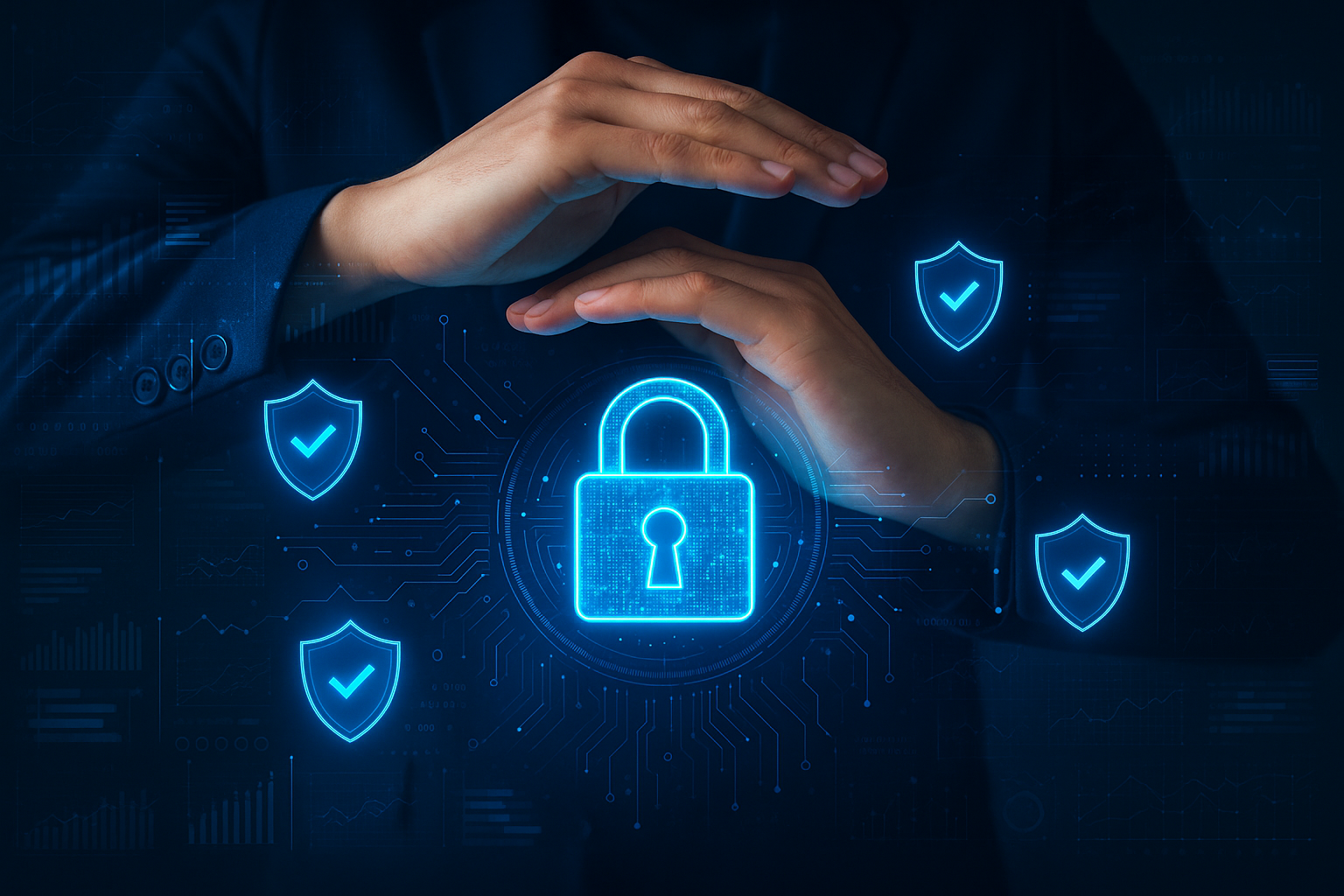
The Human Cost of Data Breaches: Why Cybersecurity Protects People, Not Just Systems
Behind every data breach statistic is a person whose life has been disrupted. When headlines announce “100 million records exposed,” the focus often stays on the technical failure or corporate liability. But those records represent real people—individuals who will spend months recovering from identity theft, couples who will argue over fraudulent charges, and professionals whose careers will be derailed by stolen credentials. Understanding these human consequences fundamentally changes how we approach cybersecurity work.
The field attracts problem-solvers who want to protect systems, but the most meaningful work protects human well-being. Aspiring cybersecurity professionals often enter the field thinking about firewalls and encryption. The reality reveals itself quickly: security failures hurt people in ways that persist long after systems are patched. This article examines those impacts through real stories, psychological research, and practical insights that reframe cybersecurity as fundamentally human work.
What Actually Happens to Breach Victims
The aftermath of a data breach follows a predictable but devastating pattern. According to the Federal Trade Commission’s 2025 Consumer Sentinel Network Data Book, the average victim spends 200 hours resolving issues from a single breach incident. This time includes contacting financial institutions, filing police reports, disputing fraudulent charges, replacing identification documents, and monitoring credit reports. The average financial loss reaches $1,343 per victim, but this figure only captures direct costs—not lost wages from time off work or the opportunity cost of those 200 hours.
The Ponemon Institute’s 2025 study on psychological impacts found that 65% of data breach victims report persistent stress and anxiety. A quarter of victims face identity theft consequences lasting more than one year. The research reveals a timeline most people don’t anticipate: the initial breach notification triggers alarm, but the real difficulties emerge months later when fraudulent accounts appear, credit applications get denied, or tax returns are rejected because someone else already filed using stolen information.
Financial institutions may reverse fraudulent charges, but victims still battle secondary effects. Credit scores drop an average of 20-40 points during the resolution period. Loan applications fail. Job background checks flag suspicious activity. One victim of the 2017 Equifax breach—which exposed 147 million people—reported in 2025 that she still receives collection notices for accounts she never opened, nearly eight years after the initial incident.
Real Stories Behind the Statistics
The 2024 Change Healthcare breach affected more than 100 million Americans, roughly one-third of the U.S. population. Beyond the technical details of the ransomware attack, patient lawsuits revealed human consequences that rarely make headlines. One family faced $50,000 in fraudulent medical claims submitted using stolen insurance information. The claims triggered benefit caps, leaving the family without coverage for legitimate care. Unable to afford necessary medications, and facing mounting debt from the fraudulent charges, they filed for bankruptcy.
Another victim couldn’t receive emergency treatment because the hospital’s verification system flagged her insurance as potentially fraudulent. Staff delayed care for three hours while attempting to verify her identity and coverage. The medical crisis that brought her to the emergency room worsened during this delay, resulting in complications that required extended treatment.
Richard Hubbard’s story following the Equifax breach illustrates the extreme toll. After discovering fraudulent accounts in his name, he spent 14 months attempting to clear his credit. Multiple lenders rejected him for a mortgage, delaying his family’s planned relocation for a job opportunity. The combination of financial strain, bureaucratic frustration, and feeling powerless contributed to severe depression. His case, documented in a lawsuit against Equifax, represents thousands of similar experiences that don’t reach public awareness.
The 2025 MOVEit supply chain attacks targeted managed file transfer software used by numerous organizations. A small retail business owner discovered customer data had been exposed through her payment processor’s use of compromised MOVEit software. Though the breach wasn’t her direct fault, customers filed lawsuits holding her business liable. Legal costs and lost revenue from customers switching to competitors forced her to close the business she had built over 15 years. She described experiencing symptoms consistent with clinical depression—loss of interest in activities, difficulty sleeping, and persistent feelings of failure.
The Psychological Toll of Identity Theft
Mental health professionals now recognize that identity theft creates trauma responses similar to other violations of personal security. Research published in the Journal of Cybersecurity and Privacy in 2025 found that 20-30% of identity theft victims experience symptoms meeting clinical criteria for anxiety disorders, with some showing PTSD-like responses including hypervigilance, intrusive thoughts about the theft, and avoidance behaviors.
Dr. Sarah Mitchell, a clinical psychologist who treats breach victims, explains that identity theft violates a person’s sense of safety and autonomy in unique ways. Unlike a physical robbery where the theft is complete, identity theft creates ongoing uncertainty. Victims constantly wonder whether another fraudulent account will appear or what other information the criminals still possess. This sustained uncertainty prevents the psychological closure that typically aids recovery from traumatic events.
The emotional impact extends beyond the primary victim. Family members experience secondary stress when fraudulent activity affects joint accounts, shared credit, or household finances. Parents worry about children whose Social Security numbers were stolen—information that may not be misused until years later when the child applies for student loans or their first credit card. This creates a persistent background anxiety that colors major life decisions.
Victims report feeling violated, vulnerable, and powerless. The impersonal nature of digital theft compounds these feelings. There’s no person to confront, no stolen item to replace, and no clear endpoint. The bureaucratic maze of credit bureaus, financial institutions, and law enforcement rarely provides the accountability or justice that victims seek, intensifying feelings of helplessness.
Why Technical Solutions Miss the Point
The cybersecurity industry has historically focused on technical metrics: mean time to detect, mean time to respond, number of threats blocked, percentage of systems patched. These measurements matter for operational efficiency, but they fail to capture the purpose of security work. The 2025 update to NIST’s Computer Security Incident Handling Guide (SP 800-61r3) now includes “victim support protocols” as a component of the recovery phase—an acknowledgment that technical restoration isn’t sufficient.
Organizations invest millions in next-generation firewalls, endpoint detection systems, and security orchestration platforms. These tools provide value, but the Verizon 2025 Data Breach Investigations Report found that 74% of breaches still involve human error—phishing clicks, misconfigurations, or accidental exposure of credentials. Technical controls cannot eliminate human factors, and treating security purely as a technical problem misses opportunities for more effective solutions.
The fixation on technical measures also obscures an important reality: 80% of breaches are preventable with fundamental security awareness and basic controls. Multi-factor authentication, regular software updates, and recognition of phishing attempts would eliminate the majority of incidents. But these practices require understanding the human consequences of failure. People don’t enable multi-factor authentication because they understand TOTP algorithms—they do it when they grasp that a compromised account could destroy someone’s credit or compromise a customer’s private medical information.
Security professionals who frame their work as protecting systems rather than people miss the motivation that sustains long-term careers in this demanding field. Technical problems can become tedious. Protecting people from real harm provides lasting purpose.
How Breaches Affect Different Populations
Data breaches don’t affect all populations equally. Low-income individuals face disproportionate consequences because they typically lack the financial buffer to absorb fraudulent charges while disputes are resolved. A $500 fraudulent charge that temporarily depletes a checking account might be inconvenient for someone with savings, but it means missed rent or utility shutoffs for someone living paycheck to paycheck.
Elderly populations struggle with the complex bureaucracy of identity theft resolution. Many lack the digital literacy to navigate online dispute processes or understand modern identity theft tactics. They’re also targeted more frequently—the FBI’s Internet Crime Report shows that people over 60 suffered the highest financial losses from cybercrime in 2025, losing an average of $3,100 per victim.
Non-English speakers face additional barriers when trying to resolve identity theft. Customer service lines and dispute processes typically offer limited language support. Legal notices arrive in English, creating confusion about deadlines and required actions. These barriers extend resolution time and increase the likelihood that victims will give up on recovery efforts.
Small business owners occupy a particularly vulnerable position. Unlike large enterprises with dedicated security teams and cyber insurance policies, small businesses often lack resources to quickly recover from breaches. The IBM Cost of a Data Breach Report 2025 found that small businesses take 30% longer to identify and contain breaches compared to larger organizations, and they pay a disproportionately higher cost per record compromised—$164 per record compared to $145 for enterprises.
The Burden of Recovery
The Federal Trade Commission provides a detailed recovery plan for identity theft victims, but the plan itself reveals the burden involved. Recommended steps include:
- Placing fraud alerts with all three credit bureaus
- Reviewing credit reports from each bureau for fraudulent accounts
- Closing or freezing compromised accounts
- Filing an identity theft report with the FTC
- Filing a police report in your local jurisdiction
- Notifying the fraud departments of relevant companies
- Updating passwords across all accounts
- Monitoring financial statements for additional fraudulent activity
- Considering a credit freeze
- Filing reports with the IRS if tax fraud occurred
- Contacting the Social Security Administration if your SSN was misused
Each step requires phone calls, documentation, and follow-up. The bureaucracy is intentionally complex to prevent actual fraudsters from reversing legitimate fraud flags, but this complexity equally burdens victims. Navigating these systems while managing the stress of the violation itself creates a recovery process that many victims describe as a second violation—this time by the institutions meant to help them.
Employment consequences add another layer of difficulty. Some victims must take unpaid leave from work to handle recovery tasks during business hours. Others face job loss when background checks flag suspicious credit activity. Security clearances can be suspended pending resolution of identity theft concerns, threatening careers in government and defense sectors.
The financial services industry has improved some recovery processes, but gaps remain. Victims often receive form letters with inadequate explanations and unclear next steps. Customer service representatives lack training to handle the emotional aspects of identity theft, sometimes treating victims with suspicion rather than empathy. These experiences compound the psychological toll.
Why Cybersecurity Is Fundamentally Human Work
Viewing cybersecurity as people-protection rather than system-protection changes how security professionals approach every aspect of their work. Incident response plans should include victim notification protocols that provide clear guidance and emotional support, not just legal disclaimers. Security awareness training becomes more effective when it uses real victim stories rather than abstract threat scenarios. Risk assessments should weigh the human impact of potential breaches, not just financial costs.
This human-centered perspective also addresses a critical problem in the cybersecurity workforce. The ISC2 Cybersecurity Workforce Study 2025 reports 3.5 million unfilled security positions globally. The industry struggles to attract and retain talent, in part because the work can feel abstract and the problems endless. Connecting daily technical work to human protection provides meaning that sustains careers through difficult periods.
Security operations center (SOC) analysts increasingly recognize this reality. A 2025 Dark Reading survey found that 40% of security professionals experience secondary trauma from constantly reviewing evidence of attacks and breaches. Organizations now provide counseling resources and stress management training, acknowledging that exposure to human suffering—even in a digital context—takes a psychological toll on defenders.
The practitioner-focused online community at SimplyCyber shared an anecdote that illustrates this point. A career-changer who moved into security from retail management described a conversation with a small business owner whose company was breached. The owner, overwhelmed by customer lawsuits and financial losses, mentioned suicide ideation. The security professional helped the owner access crisis resources while working on the technical remediation. That experience, he reported, fundamentally changed how he understood his career. He wasn’t managing log files—he was preventing catastrophic harm to real people.
What This Means for Your Career Path
For students and career changers considering cybersecurity, the human dimension offers a powerful motivator and a distinct advantage. Technical skills can be learned through certifications, training programs, and hands-on practice. But the ability to understand human needs, communicate with empathy, and prioritize people over processes cannot be easily taught. These capabilities often come from life experience, previous careers in service-oriented fields, or personal experiences with vulnerability and recovery.
This human focus also clarifies career decisions within the broad cybersecurity field. If protecting people from tangible harm provides motivation, focus on roles with direct victim interaction or prevention: incident response, security awareness training, consumer privacy, or fraud detection. If the human element feels overwhelming, consider infrastructure security or application security where the work is more technical and abstract. Both paths serve important purposes—the key is matching personal strengths and motivations to the right specialty.
The human perspective also helps with common entry barriers. Many aspiring professionals hesitate to enter cybersecurity because they lack deep technical knowledge. But understanding people—how they think, why they make risky decisions, what causes stress—provides immediate value in security roles. These insights inform better security policies, more effective training programs, and smoother incident response. Combined with foundational technical knowledge, human understanding creates a well-rounded security professional.
Practical Applications in Daily Security Work
Security professionals can integrate human-centered thinking into everyday responsibilities without requiring organizational policy changes. When writing incident response playbooks, include victim notification templates that explain what happened in clear language, what information was compromised, what the victim should do, and where to get help. This takes minimal extra time but dramatically improves victim outcomes.
When conducting security awareness training, replace generic “clicking phishing links is dangerous” messaging with specific consequences: “This type of phishing attack led to a breach where employees’ tax information was stolen. Three employees had fraudulent tax returns filed in their names and spent months resolving the issue.” Concrete examples motivate behavior change more effectively than abstract warnings.
During vendor security assessments, ask how the vendor handles data subject requests and breach notifications. Vendors with mature privacy programs that prioritize transparency and victim support demonstrate better overall security culture. This human-centered evaluation complements technical security reviews.
When making budget requests for security tools or programs, frame investments in terms of human protection rather than just technical capabilities. Instead of “This tool will reduce mean time to detect by 40%,” explain “This tool will help us identify breaches 40% faster, which means victims will have their information compromised for a shorter period and can begin recovery sooner.” Business leaders respond to human outcomes.
On a personal level, implementing strong security practices becomes easier when framed as protecting others. Students often struggle to maintain good security hygiene for their own accounts but become diligent when they understand that a compromised university account could be used to phish professors or peers. Parents enable two-factor authentication when they recognize it protects family financial information.
Moving Forward With Purpose
The cybersecurity field needs professionals who understand both systems and people. Technical expertise matters—no amount of empathy will remediate a breach without the skills to investigate compromised systems, analyze logs, and implement controls. But technical skills without human awareness produce security programs that fail to protect what actually matters.
For those beginning careers in this field, the human dimension offers both challenge and opportunity. The work is emotionally demanding. Reading breach reports means confronting the harm inflicted on real people. Investigating incidents means seeing the evidence of disrupted lives. But this same human element provides purpose that sustains long careers.
The decision to enter cybersecurity often stems from wanting to solve puzzles, work with technology, or build expertise in a growing field. These remain valid motivations. But the professionals who find the deepest satisfaction in security work eventually recognize what they’re truly protecting—not systems, but the people who depend on those systems to live their lives safely and privately.
Understanding this human impact transforms how security professionals approach every decision. The next time a configuration needs review, the choice isn’t between convenience and security—it’s between making someone’s life easier today and protecting them from months of identity theft recovery tomorrow. That perspective makes the right choice clear.
For students, career changers, and early professionals, this realization provides a foundation for meaningful work. Cybersecurity protects people. The systems, networks, and data are simply the means through which that protection happens. Keep that human purpose visible, and the technical challenges become stepping stones rather than obstacles.
Enjoyed this article?
Subscribe to Professor Simon's weekly newsletter for practical insights, career guidance, and leadership lessons delivered every Friday.
A confirmation email will be sent. If you don't receive it, please check your spam or junk folder.
No spam. Unsubscribe anytime.
Prefer to Listen?
Listen to Professor Simon’s IT & Cybersecurity Podcast for practical conversations about cybersecurity careers, certifications, security leadership, and real-world lessons from the field.
Listen on Spotify