What a Technical Interview Scenario Question Actually Looks Like
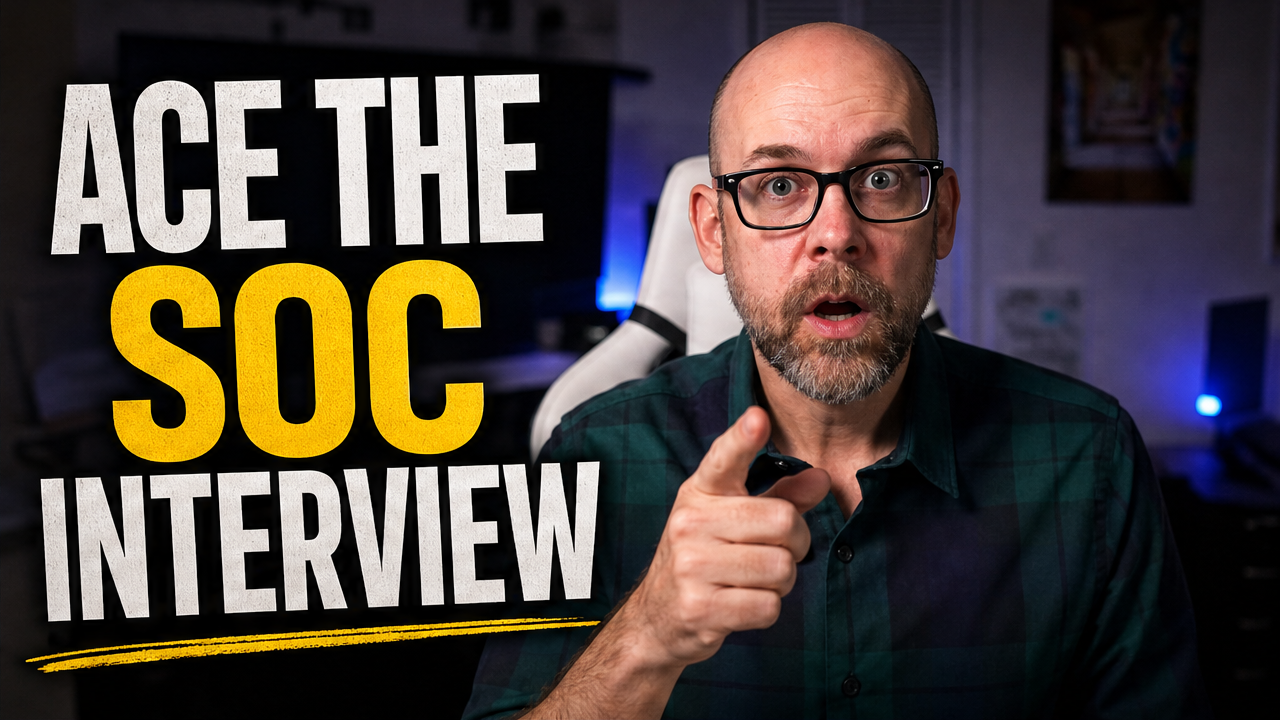
If you’ve never sat through a security interview, the phrase “scenario-based question” probably sounds vague and a little scary. Nobody explains what these questions actually look like until you’re already in the room hearing one for the first time, which is exactly the wrong moment to figure it out.
So let’s fix that. I want to walk you through a real-style scenario question, how a strong answer actually unfolds, and what interviewers are really listening for, because it’s almost never what candidates think.
Prefer to read the full breakdown? Keep scrolling. Prefer to watch? Full video above.
The Question
Here’s a fairly typical one for an entry-level SOC or GRC-adjacent role:
“You get an alert that a user account logged in from two different countries within an hour of each other. Walk me through what you’d do.”
That’s it. No trick, no hidden gotcha. But watch what separates a weak answer from a strong one.
The Weak Answer
A nervous candidate jumps straight to a conclusion: “That’s an account compromise, I’d lock the account and reset the password.” Technically not wrong, but it skips every step that actually demonstrates thinking. The interviewer isn’t testing whether you know that impossible travel is suspicious. Everyone in the room already knows that. They’re testing how you get from alert to action.
The Strong Answer
A strong candidate slows down and narrates their reasoning out loud, something like this:
First, they’d ask what else the alert data tells them. Is there a VPN or corporate travel that could explain it legitimately? Is this a user who travels for work? That single question, before jumping to conclusions, is often the single biggest signal to an interviewer that you’re going to be safe to put in front of real alerts.
Second, they’d talk about checking correlating signals. Failed login attempts before the successful one. Unusual data access after the login. Whether MFA was involved and whether it was actually challenged or bypassed.
Third, they’d talk about containment proportional to confidence. If there’s no reasonable explanation and correlating signals look bad, lock the account, force a password reset, and open an incident. If there’s a plausible explanation, they’d document it and monitor rather than immediately disrupting a legitimate user’s access.
Notice what’s happening here. The strong answer isn’t more technically advanced. It’s more structured. It shows judgment, not just vocabulary.
What Interviewers Are Actually Listening For
I’ve sat on the other side of this table more times than I can count, and here’s what I’m genuinely listening for, in order of importance:
Do you ask clarifying questions before acting? Jumping straight to remediation without gathering context is the single most common mistake I see, and it’s the fastest way to look junior even if your technical knowledge is solid.
Do you narrate your reasoning? Silence while you think, followed by a clean final answer, tells me almost nothing about how you think. Talking through your reasoning, even messily, tells me everything.
Do you know the limits of your own authority? A candidate who says “I’d escalate this to my lead before taking that action” often scores better than one who confidently says they’d handle it solo, especially for entry-level roles. Knowing when to escalate is a real skill, not a weakness.
My Take
Most candidates over-prepare for the technical content of these questions and under-prepare for the structure of their answer. You don’t need to memorize the perfect incident response flowchart. You need to practice thinking out loud, in order, under mild pressure, because that’s the actual skill the question is testing.
Next time you’re prepping for an interview, don’t just study concepts. Record yourself answering a scenario question out loud, and listen back. You’ll hear immediately whether you’re narrating reasoning or just guessing toward a conclusion. That gap is exactly what separates candidates who get the offer from candidates who don’t.
Enjoyed this article?
Subscribe to Professor Simon's weekly newsletter for practical insights, career guidance, and leadership lessons delivered every Friday.
A confirmation email will be sent. If you don't receive it, please check your spam or junk folder.
No spam. Unsubscribe anytime.
Prefer to Listen?
Listen to Professor Simon’s IT & Cybersecurity Podcast for practical conversations about cybersecurity careers, certifications, security leadership, and real-world lessons from the field.
Listen on Spotify