SOX Compliance Career Path for Non-Accountants

SOX Compliance Career Path for Non-Accountants
Compliance roles have transformed from back-office functions into strategic positions driving corporate governance, risk management, and operational discipline. The Sarbanes-Oxley Act of 2002—commonly known as SOX—catalyzed this evolution by establishing strict financial reporting and internal control requirements for public companies. Today, these regulations create thousands of entry-level and mid-career opportunities for professionals who may never work directly in accounting.
The compliance field is projected to grow 5-8% over the next decade, faster than average for all occupations, according to the U.S. Bureau of Labor Statistics. This growth stems from increasing regulatory complexity across financial reporting, data privacy, cybersecurity, and environmental disclosure. Companies need people who can document processes, coordinate cross-functional teams, translate technical requirements into business language, and ensure that controls actually work in daily operations.
This guide explains what SOX compliance involves in practical terms, how it creates career opportunities beyond traditional accounting roles, and what skills matter most for breaking into this field.
Understanding SOX Compliance in Plain Language
The Sarbanes-Oxley Act emerged from corporate scandals at Enron, WorldCom, and similar companies where fraudulent financial reporting destroyed shareholder value and employee retirement savings. Congress designed SOX to restore investor confidence by requiring public companies to implement rigorous internal controls over financial reporting.
Section 404 of SOX mandates that management assess and report on the effectiveness of these internal controls annually. External auditors must also evaluate and attest to management’s assessment. This dual-layer accountability creates the demand for compliance professionals who can design, document, test, and improve controls throughout the organization.
Internal controls are systematic procedures that ensure accurate financial data, prevent fraud, and maintain operational integrity. Examples include segregation of duties (separating the person who authorizes payments from the person who processes them), access controls (limiting who can modify financial systems), and reconciliation processes (regularly comparing account balances to source documents).
SOX extends far beyond the finance department. Any business process that touches financial data—from sales orders to inventory management to IT system changes—falls within scope. This breadth creates opportunities for professionals with diverse backgrounds to contribute to compliance programs.
Core Components of SOX Compliance Work
Risk Assessment and Process Documentation
Compliance teams identify which processes and systems directly affect financial reporting accuracy. This involves mapping business workflows, interviewing process owners, and documenting how transactions flow through the organization. A SOX analyst working on revenue recognition might document how customer contracts are reviewed, how revenue is calculated, when invoices are generated, and how receivables are tracked.
Process documentation requires clear writing, logical thinking, and the ability to understand business operations without necessarily performing the technical work yourself. Former teachers, project managers, operations coordinators, and customer service professionals often excel in these roles because they know how to extract information through interviews and present it clearly.
Control Design and Implementation
Once processes are documented, compliance teams design controls to address specific risks. A control might be an automated system check (the accounting software rejects invoices without proper approval codes) or a manual procedure (a supervisor reviews reconciliation reports weekly and signs off).
Effective control design balances risk mitigation with operational efficiency. Overly complex controls frustrate employees and often get bypassed or ignored. Well-designed controls integrate naturally into existing workflows and actually help people do their jobs better by catching errors early.
This work requires business judgment more than technical expertise. Understanding how different departments operate, what realistic workload expectations look like, and how to communicate requirements without creating resistance are essential skills that transfer from many career backgrounds.
Testing and Monitoring
Controls must be tested regularly to verify they operate as designed. Testing involves selecting samples of transactions, examining supporting documentation, and confirming that required procedures were followed. For example, testing an approval control means reviewing a sample of purchase orders to verify that authorized managers signed off before payments were processed.
Testing work provides excellent entry points for career changers and recent graduates. It builds understanding of business processes, develops analytical skills, and creates exposure to multiple departments. Many compliance analysts, risk managers, and internal audit directors started their careers performing control testing.
Continuous monitoring uses automated tools to review transactions in real time or near-real time, flagging exceptions for investigation. This approach reduces the reliance on manual sampling and catches issues faster, but someone still needs to configure the monitoring rules, investigate alerts, and coordinate remediation when problems surface.
Remediation and Improvement
When testing reveals control deficiencies or auditors identify weaknesses, compliance teams coordinate remediation efforts. This involves working with process owners to redesign controls, update documentation, modify system configurations, or provide additional training.
Remediation work develops project management, change management, and stakeholder communication skills. Successfully implementing control improvements across multiple departments while maintaining positive working relationships requires diplomacy, persistence, and clear articulation of why changes matter.
Why SOX Creates Diverse Career Opportunities
Cross-Functional Scope
SOX compliance touches virtually every business function. This creates specialized roles focused on specific domains:
Revenue recognition analysts work with sales and contracts teams to ensure customer agreements are properly documented and revenue is recognized according to accounting standards.
Procurement and accounts payable analysts focus on purchasing processes, vendor management, and payment controls.
IT general controls specialists document and test technology controls around user access, change management, data backups, and system security.
Payroll and human resources compliance analysts ensure proper controls over employee data, compensation calculations, and benefit administration.
Each specialization benefits from domain knowledge in that business area, which means professionals can leverage their existing expertise when transitioning into compliance roles.
The Cybersecurity Connection
SOX-compliant organizations must implement robust IT general controls over systems that process financial data. This requirement drives significant overlap between compliance and cybersecurity work.
Access controls ensure that only authorized users can view or modify sensitive data. This involves periodic access reviews, segregation of duties enforcement, and least-privilege access principles—all core cybersecurity concepts applied to financial systems.
Change management controls govern how software updates, configuration changes, and system upgrades are approved, tested, and implemented. These controls prevent unauthorized modifications that could compromise data integrity or introduce vulnerabilities.
Logging and monitoring requirements mandate that systems record user activities, system events, and data changes. These audit trails support both compliance testing and security incident investigations.
For cybersecurity professionals, understanding SOX requirements adds valuable business context to technical security work. For non-technical professionals interested in cybersecurity, SOX-related IT controls provide an accessible entry point that emphasizes process, documentation, and business impact over deep technical skills.
Skills That Matter Most for Compliance Careers
Process Thinking and Systems Understanding
Successful compliance professionals see organizations as interconnected systems where changes in one area affect others. This systems thinking allows them to anticipate how new controls might impact workflows, identify potential workarounds that undermine control effectiveness, and design solutions that align with how people actually work.
Process thinking can be developed in almost any role that involves coordinating activities across multiple people or departments. Project coordinators, operations specialists, customer service leads, and administrative professionals often possess strong process instincts even if they’ve never worked in compliance.
Clear Communication and Documentation
Compliance work generates extensive documentation: control narratives, process flowcharts, testing workpapers, deficiency reports, and training materials. This documentation must be clear enough that auditors, regulators, and colleagues unfamiliar with the specific process can understand it.
Writing skills matter more than accounting knowledge for many compliance roles. The ability to explain complex procedures in plain language, document decisions and rationales clearly, and present findings without unnecessary jargon distinguishes effective compliance professionals.
Stakeholder Management and Collaboration
Compliance teams rarely have direct authority over business processes they must control. Success depends on building relationships with process owners, explaining requirements persuasively, and negotiating solutions that meet compliance objectives while respecting operational realities.
Former teachers, customer service professionals, and project managers often excel at stakeholder management because they’re accustomed to influencing outcomes without formal authority and maintaining positive relationships even when delivering unwelcome news.
Analytical Thinking and Problem Solving
Compliance work involves investigating anomalies, diagnosing why controls fail, and designing solutions to prevent recurrence. This requires logical thinking, attention to detail, and the ability to distinguish symptoms from root causes.
Strong analytical skills can be demonstrated through experience with data analysis, troubleshooting operational problems, conducting research, or managing complex projects—none of which require accounting or technical backgrounds.
Common Entry Paths and Career Progression
Starting Points
Entry-level SOX analyst or compliance analyst roles typically require a bachelor’s degree but not necessarily in accounting or finance. Business administration, management, information systems, or even liberal arts degrees combined with relevant internships or work experience can qualify candidates.
Internal audit rotational programs at large companies offer structured training and exposure to multiple business areas. These programs actively recruit diverse majors and provide on-the-job learning about controls, risk assessment, and business operations.
Transitioning from operational roles within a company into compliance or internal audit positions is common. Companies value institutional knowledge of their specific processes, and employees already familiar with the organization can contribute quickly.
Mid-Career Progression
Experienced compliance analysts often specialize in particular domains (IT controls, financial reporting, operational risk) or move into coordination and management roles overseeing testing programs, vendor relationships, or remediation initiatives.
Compliance managers typically supervise teams of analysts, interface with external auditors, coordinate with business unit leadership, and contribute to control framework design and risk assessment.
Senior risk and compliance roles include director positions with responsibility for enterprise-wide programs, VP-level positions overseeing governance, risk, and compliance functions, and chief compliance officer roles reporting to the board and senior executives.
Certifications and Continuing Education
While not always required, several certifications enhance credibility and career prospects:
Certified Internal Auditor (CIA) from the Institute of Internal Auditors focuses on audit methodology, risk assessment, and governance. This certification suits professionals from diverse backgrounds and emphasizes practical application.
Certified in Risk and Information Systems Control (CRISC) from ISACA addresses IT risk management and control implementation, making it valuable for professionals working at the intersection of technology and compliance.
Certified Compliance and Ethics Professional (CCEP) from the Compliance Certification Board covers compliance program design, ethics, regulatory requirements, and enforcement.
These certifications require passing examinations and maintaining continuing education credits, but none mandate advanced technical skills or accounting degrees as prerequisites.
Understanding Tone at the Top and Compliance Culture
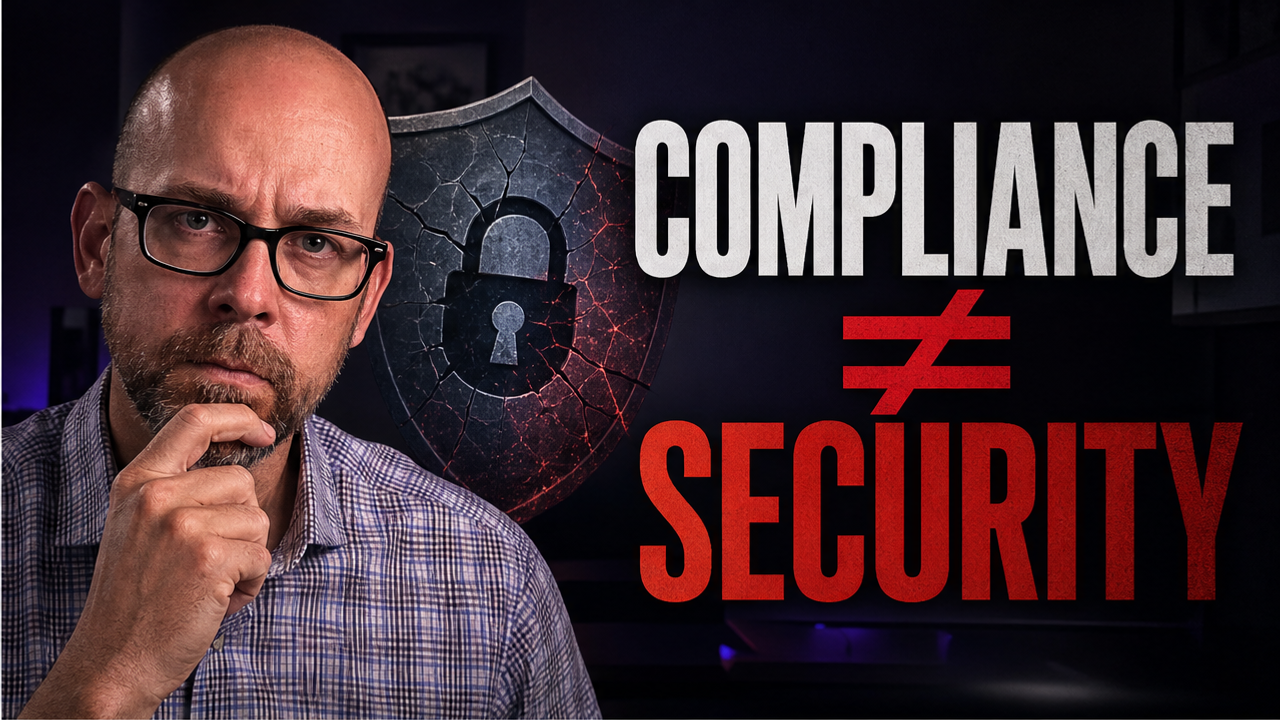
Compliance effectiveness depends heavily on organizational culture and leadership behavior—concepts captured by the phrase “tone at the top.” When executives demonstrate commitment to ethical behavior, transparency, and accountability, employees throughout the organization take compliance seriously. When leadership treats compliance as bureaucratic checkbox exercise or pressures teams to circumvent controls, even well-designed systems fail.
For professionals building compliance careers, recognizing healthy versus dysfunctional compliance culture matters enormously. Red flags include executives who dismiss control concerns, managers who reward employees for meeting targets regardless of how they achieve them, and organizations that repeatedly ignore audit findings or remediate deficiencies superficially.
Positive indicators include leadership that discusses compliance in business reviews, allocates adequate resources to compliance functions, addresses deficiencies promptly, and holds managers accountable for control effectiveness in their areas.
Early-career professionals should evaluate potential employers’ compliance culture carefully. Organizations with strong compliance programs provide better learning environments, clearer career paths, and more sustainable work experiences than those where compliance is treated as an afterthought.
Practical Next Steps for Breaking Into Compliance
Building Foundational Knowledge
Understanding basic accounting concepts—assets, liabilities, revenue, expenses, debits, and credits—provides helpful context even for non-financial compliance roles. Free resources like Khan Academy, Coursera, and YouTube offer introductory accounting courses that cover fundamentals in a few hours.
Learning SOX basics through publicly available resources helps frame conversations in interviews and demonstrates genuine interest. The PCAOB website publishes guidance on audit standards and internal controls. Professional associations like The Institute of Internal Auditors offer free webinars and articles on emerging compliance topics.
For those interested in IT-related compliance work, basic cybersecurity concepts—authentication, authorization, encryption, network security—provide useful background. Cybrary and similar platforms offer free introductory courses that don’t require technical prerequisites.
Gaining Relevant Experience
Volunteer for process improvement or documentation projects in your current role, even if unrelated to formal compliance work. Experience mapping workflows, writing procedures, or identifying inefficiencies demonstrates skills directly applicable to compliance roles.
Seek exposure to audit processes when your organization undergoes internal or external audits. Volunteering to coordinate documentation requests or participate in walkthrough interviews provides visibility into audit methodology and control testing.
Consider contract or temporary roles with accounting firms or consulting practices during busy seasons. These positions offer concentrated experience with multiple clients and control environments, building skills and professional networks quickly.
Positioning Your Background
When transitioning from non-traditional backgrounds, emphasize transferable skills rather than apologizing for lacking accounting degrees. Frame previous experience in compliance-relevant terms:
Project coordination becomes “managed cross-functional initiatives requiring documentation, stakeholder communication, and timeline management”—all essential compliance skills.
Customer service experience translates to “investigated complex issues, documented findings, and communicated resolutions to diverse stakeholders”—directly applicable to control testing and deficiency reporting.
Operations or administrative roles demonstrate “process knowledge, attention to detail, and ability to work within established procedures while identifying improvement opportunities”—exactly what compliance managers seek.
Real-World Scenarios and Applications
A career changer with retail management experience might enter compliance through a distribution and inventory controls role, leveraging knowledge of warehouse operations and inventory tracking to design and test controls over physical assets and cost of goods sold.
A former executive assistant who managed complex scheduling, coordinated board materials, and maintained confidential information might transition into governance and ethics compliance, supporting board committee coordination, policy administration, and executive reporting.
An IT help desk technician familiar with user access requests and password resets could move into IT compliance work focused on access controls, user access reviews, and segregation of duties testing—applying technical familiarity without requiring advanced programming or infrastructure skills.
The expanding scope of compliance—from financial reporting to data privacy, cybersecurity, environmental disclosure, and supply chain ethics—creates entry points for professionals with widely varied backgrounds. The common thread is not specialized technical knowledge but rather systematic thinking, clear communication, and commitment to understanding how organizations actually operate.
Companies investing seriously in compliance recognize that diverse perspectives improve control design and implementation. Professionals who combine business judgment, process understanding, and stakeholder management skills with foundational compliance knowledge can build rewarding careers in this growing field—regardless of whether they majored in accounting or ever planned to work with financial regulations.
Enjoyed this article?
Subscribe to Professor Simon's weekly newsletter for practical insights, career guidance, and leadership lessons delivered every Friday.
A confirmation email will be sent. If you don't receive it, please check your spam or junk folder.
No spam. Unsubscribe anytime.
Prefer to Listen?
Listen to Professor Simon’s IT & Cybersecurity Podcast for practical conversations about cybersecurity careers, certifications, security leadership, and real-world lessons from the field.
Listen on Spotify