Security Audits Explained: What Happens During Your Organization’s Cybersecurity Checkup

Security Audits Explained: What Happens During Your Organization’s Cybersecurity Checkup
Security audits might sound intimidating, but they’re simply structured examinations of an organization’s security controls and practices. Just as regular medical checkups identify health risks before they become serious problems, security audits reveal vulnerabilities before attackers can exploit them. For professionals without technical backgrounds, understanding this process demystifies a critical component of organizational security and clarifies how different team members contribute to protecting digital assets.
The confusion surrounding security audits often stems from unclear expectations and technical terminology. Employees wonder whether auditors will disrupt daily work, what information they’ll need to provide, and what happens when issues are discovered. This guide breaks down the audit process into understandable components, explains what different stakeholders experience, and shows how audits strengthen rather than threaten organizational security.
Understanding Security Audits Beyond Compliance
Security audits serve multiple purposes that extend far beyond regulatory checkboxes. While compliance requirements drive many audits—particularly in healthcare (HIPAA), finance (PCI-DSS), and government contracting (CMMC)—the real value lies in identifying gaps between current security practices and actual threats.
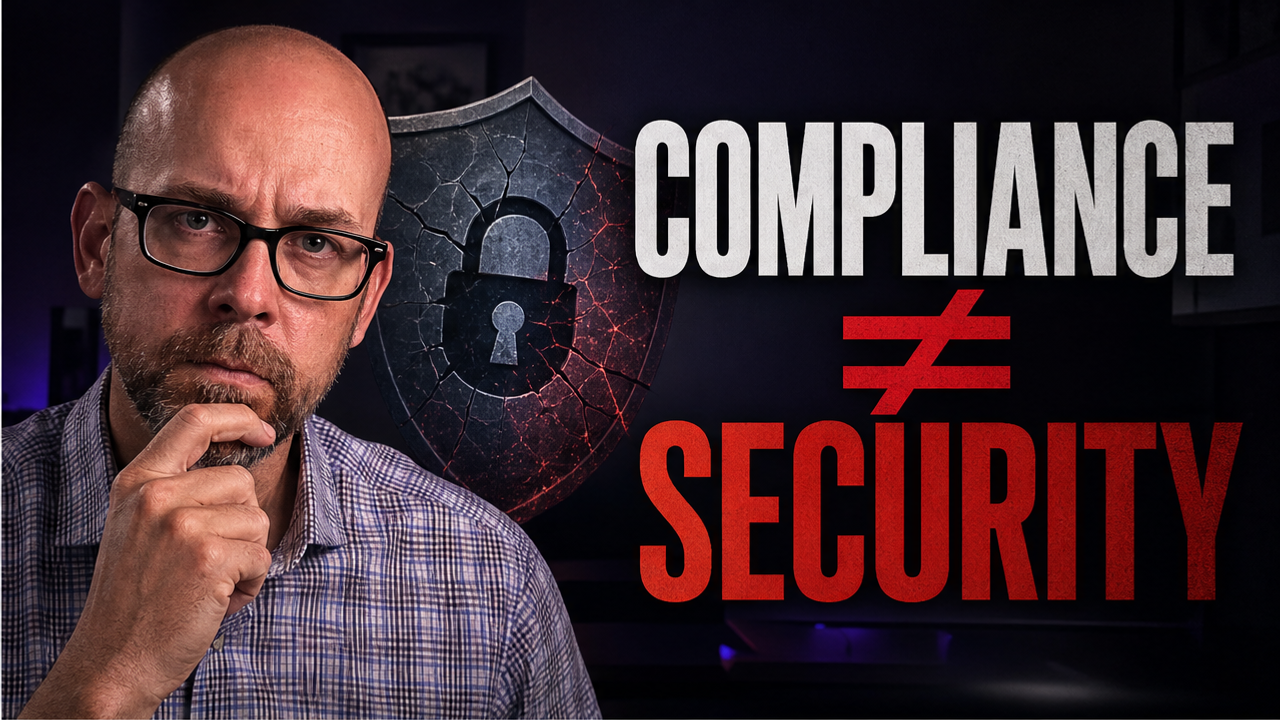
The fundamental distinction matters: compliance focuses on meeting minimum standards, while comprehensive security audits assess whether those standards actually protect against real-world attack patterns. An organization can be technically compliant yet practically vulnerable if auditors only verify documentation rather than testing controls.
Security audits typically fall into three categories. Internal audits use the organization’s own staff or contracted specialists to assess controls regularly. External audits involve independent third parties evaluating security posture, often for certification or client assurance. Compliance audits specifically verify adherence to regulatory frameworks, industry standards, or contractual obligations.
The scope determines what auditors examine. Some audits focus narrowly on specific systems—like evaluating cloud infrastructure security or assessing network segmentation. Others encompass the entire organization, examining technical controls, physical security, personnel practices, and incident response capabilities. Understanding the scope helps employees prepare relevant documentation and anticipate what auditors will request.
The Five Core Elements of Security Audits
Every thorough security audit examines multiple interconnected areas, regardless of specific compliance framework or industry. These elements provide a structured approach to evaluating organizational security comprehensively.
Technical Controls Assessment
Auditors examine the tools and configurations protecting systems and data. This includes evaluating firewall rules, antivirus deployment, encryption implementation, access controls, and patch management processes. Rather than simply confirming these tools exist, auditors test whether they’re properly configured and functioning as intended.
For non-technical staff, this phase might mean answering questions about which systems you access, how you authenticate, and whether you’ve observed unusual system behavior. Auditors may verify that your access permissions align with your job responsibilities—testing a security principle called least privilege.
Policy and Procedure Review
Written policies establish security expectations, but auditors focus on whether those policies translate into actual practice. They review documentation covering acceptable use, password requirements, data handling, incident response, and business continuity. The critical question isn’t whether policies exist but whether employees know them and follow them.
Expect auditors to ask how you learned about security policies, where you’d find specific guidance, and whether current practices match documented procedures. Discrepancies don’t necessarily indicate problems—they often reveal that policies haven’t been updated to reflect evolved business processes.
Physical Security Evaluation
Digital security extends to physical access controls. Auditors assess who can enter facilities, server rooms, and areas containing sensitive information. They examine badge systems, visitor management, surveillance cameras, and secure disposal practices for physical documents and hardware.
Staff members might be asked about badge protocols, tailgating prevention (following someone through secured doors), clean desk policies, and screen-lock practices. These questions validate that physical security controls function in daily practice, not just on paper.
Personnel and Access Management
This element focuses on how organizations grant, monitor, and revoke access to systems and data. Auditors review user provisioning processes, role-based access controls, privileged account management, and offboarding procedures. They verify that access rights reflect current job functions and that former employees no longer maintain system access.
HR teams and managers typically provide information about onboarding processes, role changes, and terminations. IT teams demonstrate how access requests are approved and implemented. The audit reveals whether informal access practices have created security gaps.
Incident Response and Business Continuity
Auditors evaluate preparedness for security incidents and operational disruptions. This includes reviewing incident response plans, backup and recovery procedures, disaster recovery strategies, and communication protocols. Beyond documentation, auditors may conduct tabletop exercises simulating incidents to assess real response capabilities.
Employees from various departments participate in these exercises, revealing whether response plans work with actual personnel, processes, and constraints. These simulations often uncover communication gaps, unclear responsibilities, and missing procedures that documentation alone wouldn’t reveal.
What Different Team Members Experience During Audits
Security audits affect various roles differently, though everyone shares responsibility for organizational security.
IT and Security Teams
Technical teams face the most intensive audit engagement. They provide system documentation, demonstrate security controls, explain architectural decisions, and walk through configuration details. Auditors may request log files, access control lists, network diagrams, and vulnerability scan results.
This phase requires technical staff to articulate not just what controls exist but why they’re configured in specific ways and how they address identified risks. The audit often reveals whether security decisions are documented and whether multiple team members understand critical systems.
Management and Executives
Leadership teams address strategic security questions. Auditors examine whether security receives appropriate resources, how risk decisions are made, whether security metrics inform business planning, and how the organization balances security with operational needs.
Executives should expect questions about security governance, budget allocation, how security issues escalate, and how the organization measures security effectiveness. These conversations often highlight whether security integrates into business strategy or operates as an isolated IT function.
Operational Staff
Employees in non-security roles participate by demonstrating daily security practices. Auditors may observe how you handle sensitive data, verify your identity when accessing systems, respond to suspicious emails, and secure your workspace.
Questions typically focus on practical scenarios: what you’d do if you received an unexpected password reset email, how you transfer confidential files, or whom you’d contact if you suspected a security incident. Honest responses help auditors understand actual security culture rather than idealized procedures.
Human Resources
HR teams provide information about background checks, security awareness training, acceptable use policy acknowledgment, and offboarding procedures. Auditors verify that security starts before the first day of employment and continues through role changes and departures.
This includes reviewing training records, policy acknowledgment documentation, and processes ensuring that security responsibilities are clearly communicated and understood across the organization.
Common Audit Findings and What They Mean
Security audits invariably identify issues—this outcome indicates thoroughness rather than failure. Understanding common findings helps organizations respond constructively.
Configuration Weaknesses
Auditors frequently discover systems with overly permissive settings, outdated configurations, or inconsistent security controls. These findings rarely indicate intentional security negligence. Instead, they typically reflect configuration drift as systems evolve, incomplete documentation, or knowledge gaps when specific staff members leave.
Remediation involves standardizing configurations, documenting approved baselines, and implementing change management processes preventing future drift. These improvements strengthen security without requiring significant new investment.
Access Control Issues
Excessive permissions represent the most common audit finding across industries. Users often accumulate access rights through role changes without losing previous permissions. Shared accounts, generic passwords, and inadequate access reviews create exploitable vulnerabilities.
Addressing these findings requires implementing regular access reviews, enforcing least privilege, eliminating shared credentials, and establishing clear provisioning and deprovisioning workflows. The technical work matters less than the organizational commitment to maintaining appropriate access.
Documentation Gaps
Auditors consistently identify missing or outdated documentation—policies that don’t reflect current practices, system diagrams showing decommissioned infrastructure, or procedures referencing staff who left years ago. These gaps frustrate incident response and complicate troubleshooting.
Remediation focuses on establishing documentation standards, assigning ownership, and scheduling regular reviews. The goal isn’t perfect documentation but sufficient information for continuity when key personnel are unavailable.
Insufficient Monitoring
Many organizations deploy security tools but don’t actively monitor the alerts they generate. Auditors discover log files no one reviews, security alerts accumulating without investigation, and systems that haven’t undergone vulnerability scanning in months.
Effective remediation requires processes and responsibilities, not just additional tools. Organizations must designate who monitors what, establish alert triage procedures, and define escalation paths for different finding types.
Training and Awareness Deficiencies
Security awareness training often exists as annual compliance exercises rather than ongoing security culture development. Auditors identify training that doesn’t address current threats, generic content without organizational context, and no measurement of behavioral change.
Improving this area means creating relevant, engaging training; measuring effectiveness through phishing simulations and knowledge assessments; and making security awareness continuous rather than annual.
How Audit Results Actually Improve Security
The audit report represents a starting point, not a conclusion. Organizations that maximize audit value approach findings as improvement opportunities rather than criticisms.
Prioritizing Remediation
Not all findings require immediate attention. Effective organizations categorize issues by risk severity, exploitation likelihood, and remediation effort. Critical vulnerabilities affecting sensitive systems demand urgent action. Lower-risk issues may be scheduled for future maintenance windows.
This prioritization requires business context that auditors may not fully possess. A finding labeled “high risk” in the audit report might be lower priority than medium-risk issues affecting revenue-generating systems. Organizations should apply their own risk judgment to audit recommendations.
Building Remediation Plans
Comprehensive remediation plans assign specific responsibilities, establish realistic timelines, and allocate necessary resources. Vague commitments to “improve security” fail. Specific actions like “implement quarterly access reviews for financial systems by Q2” create accountability.
These plans should address root causes rather than symptoms. If the audit revealed ten systems with weak passwords, the remediation shouldn’t just fix those ten systems—it should implement password policies preventing the issue across all systems.
Measuring Progress
Effective organizations track remediation progress and report it transparently. This might include dashboard metrics showing percentage of critical findings resolved, regular executive briefings on remediation status, or integration with project management systems tracking security initiatives.
This visibility keeps security improvement active rather than allowing it to fade after audit completion. It also demonstrates to auditors during subsequent assessments that the organization treats findings seriously.
Integrating Continuous Improvement
The most mature organizations use audit findings to strengthen processes preventing similar issues. If the audit revealed configuration drift, the response might include implementing automated configuration management. If access control issues appeared, the fix might involve quarterly access certification processes.
This approach transforms audits from episodic compliance exercises into catalysts for sustainable security improvement. Each audit cycle should find fewer repeat issues and uncover progressively more sophisticated opportunities for enhancement.
Preparing Your Organization for Successful Audits
Preparation significantly influences audit outcomes and reduces disruption to daily operations.
Establish Clear Documentation
Maintain current system inventories, network diagrams, policy documents, and procedure guides. When auditors request information, rapid access to accurate documentation demonstrates organizational maturity and accelerates the audit process.
This documentation serves operational purposes beyond audits—incident responders, new employee onboarding, and business continuity planning all benefit from clear, current documentation.
Conduct Pre-Audit Self-Assessments
Organizations often perform internal audits using the same frameworks external auditors will apply. This identifies and remediates obvious issues before formal audits begin, reducing embarrassing findings and demonstrating proactive security management.
Self-assessments also familiarize staff with audit processes, reducing anxiety and improving participation during formal audits.
Designate Audit Coordinators
Appointing specific individuals to coordinate audit logistics prevents auditor requests from disrupting multiple departments. Coordinators schedule interviews, gather requested documentation, track outstanding items, and serve as primary contacts.
This role requires someone who understands both technical and business operations, can navigate organizational structure, and communicates effectively with auditors and internal stakeholders.
Communicate Audit Purpose and Process
Many employees view audits as threatening rather than protective. Clear communication explaining why the audit is happening, what to expect, and how findings will be addressed reduces anxiety and encourages honest participation.
This communication should emphasize that audits identify systemic issues, not individual failures. The goal is strengthening organizational security, not assigning blame.
The Broader Value of Security Audits
Organizations initially conduct security audits for compliance requirements but often discover broader benefits. The structured examination reveals security gaps that internal teams, immersed in daily operations, might overlook. External auditors bring fresh perspectives and experience across multiple organizations, offering insights about effective practices and emerging threats.
Audits also create accountability moments that prioritize security initiatives competing with other business demands. The formality of audit findings and remediation plans gives security teams leverage to secure resources and executive attention for necessary improvements.
Perhaps most importantly, regular audits normalize security assessment as ongoing business practice rather than crisis response. Organizations developing mature security programs view audits as health checkups—expected, valuable, and integral to sustained organizational wellbeing.
Understanding security audits removes mystery from a process that protects both organizations and the individuals within them. Whether you’re preparing for your first audit, trying to understand recent findings, or advocating for security improvements, recognizing that audits serve as diagnostic tools rather than punitive measures changes the entire dynamic. Organizations that embrace audits as opportunities for continuous improvement build resilient security programs that adapt to evolving threats and changing business needs.
Enjoyed this article?
Subscribe to Professor Simon's weekly newsletter for practical insights, career guidance, and leadership lessons delivered every Friday.
A confirmation email will be sent. If you don't receive it, please check your spam or junk folder.
No spam. Unsubscribe anytime.
Prefer to Listen?
Listen to Professor Simon’s IT & Cybersecurity Podcast for practical conversations about cybersecurity careers, certifications, security leadership, and real-world lessons from the field.
Listen on Spotify