LinkedIn Oversharing: How Professional Posts Become Security Vulnerabilities
LinkedIn Oversharing: How Professional Posts Become Security Vulnerabilities
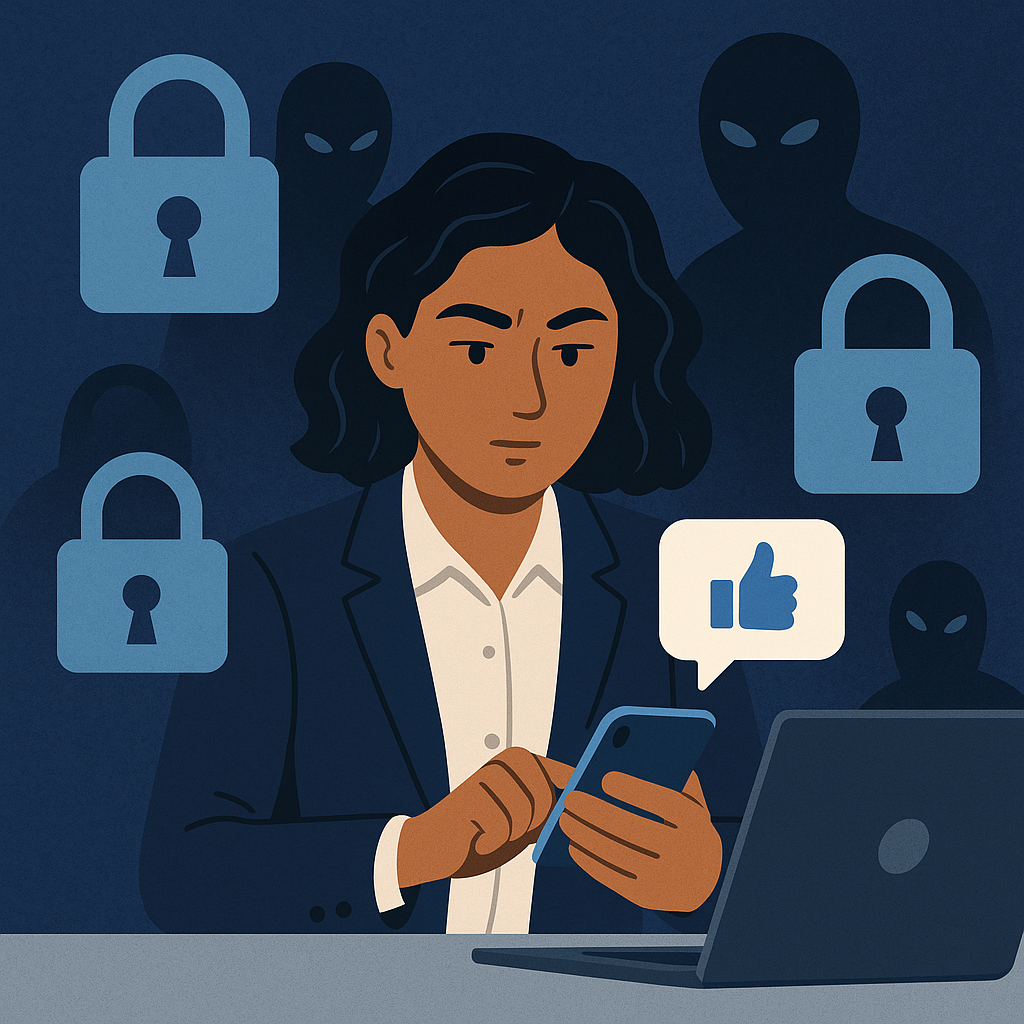
The professional who posted about their company’s “unhackable” security infrastructure didn’t expect attackers to use that information as a blueprint for reconnaissance. Yet within weeks, that same organization faced a targeted phishing campaign exploiting details pulled directly from employee LinkedIn profiles. The attack succeeded not through technical sophistication but through simple observation of what professionals freely shared online.
LinkedIn has evolved beyond a networking platform into an intelligence goldmine for attackers. Security professionals, business leaders, and early-career workers unknowingly broadcast organizational structure, technology stacks, workplace routines, and security postures to millions of viewers—including those with malicious intent. Understanding what hackers extract from professional profiles represents a critical first step in reducing organizational attack surface.
Why LinkedIn Attracts Attackers
Social engineering attacks succeed by exploiting trust and context. LinkedIn provides both at scale.
Unlike other social platforms where users share personal content, LinkedIn positions itself as a professional space where credibility depends on detailed career information. This creates a fundamental tension: professionals feel pressure to demonstrate expertise and visibility while simultaneously exposing reconnaissance data that attackers weaponize.
The UK’s MI5 reported over 10,000 approaches to British nationals through fake LinkedIn recruiter profiles linked to hostile state actors in 2020 alone. These operations persist into 2024 as remote work normalizes international communication and digital-first hiring. Attackers don’t need to breach databases when targets voluntarily publish organizational hierarchies, project details, and technology preferences.
The psychological dimension matters equally. LinkedIn’s professional context disarms natural suspicion. A message from a “recruiter” at a prestigious firm triggers ambition rather than caution. A connection request from someone with shared industry experience feels networking-adjacent rather than potentially adversarial. This trust asymmetry gives attackers significant advantages over cold email phishing.
Reconnaissance Intelligence Hackers Extract
Professional profiles reveal far more strategic information than most users recognize.
Organizational Mapping
Attackers construct detailed org charts without internal access by correlating job titles, reporting relationships mentioned in posts, and connection networks. When employees celebrate promotions or share team photos, they document hierarchical structures. Congratulatory comments from colleagues confirm reporting lines.
This intelligence enables business email compromise attacks. Hackers impersonate executives with 70% greater success when they understand organizational dynamics extracted from LinkedIn. A fraudulent wire transfer request appears legitimate when the attacker knows the CFO reports to the CEO, that the accounting team just welcomed a new hire, and that quarter-end closes occur this week—all details gleaned from public posts.
Technology Stack Identification
Posts celebrating certifications, sharing conference learnings, or describing problem-solving approaches inadvertently catalog technology infrastructure. A security engineer posting about “finally mastering Splunk queries” confirms the organization uses Splunk for SIEM. A developer sharing excitement about Kubernetes deployment reveals containerization strategies.
Attackers use this information to research known vulnerabilities, prepare appropriate payloads, and craft convincing technical phishing. The reconnaissance phase of attacks increasingly relies on OSINT (Open-Source Intelligence), with social platforms providing approximately 80% of initial target profiling data according to penetration testing firms.
Physical Security Details
Geolocation tags, office photos, and check-in posts expose physical security information. Images of reception areas reveal badge systems. Posts about “back at the office” establish hybrid work patterns and physical access windows. Conference attendance posts signal when key personnel travel and offices sit understaffed.
These details support physical attacks, tailgating attempts, and timing for digital intrusions when security monitoring may be reduced. Even seemingly innocuous details like “arrived early before the office gets busy” establish routine patterns exploitable for social engineering.
Project Timelines and Priorities
Posts about upcoming product launches, system migrations, or organizational changes telegraph pressure points. Attackers exploit stressed periods when security processes receive less scrutiny. A post celebrating successful migration to new infrastructure signals recent configuration changes—prime timing for exploitation before security hardening completes.
The New Employee Vulnerability Window
New hire announcements create particularly acute risks.
Announcing someone’s first day or week provides attackers a narrow window when confusion appears normal. Phishing emails disguised as IT onboarding, HR paperwork, or welcome messages from executives succeed because new employees expect unfamiliar processes and communications.
The victim lacks institutional knowledge to recognize anomalies. They don’t know the legitimate IT team never requests password resets via email or that expense reports use a different system than the phishing link suggests. The combination of eagerness to demonstrate competence and uncertainty about procedures creates exploitable vulnerability.
Welcome posts also establish that person’s role, manager, team, and contact information—everything needed for targeted spear phishing. When these announcements include headshot photos, attackers even gain material for deepfake video or voice synthesis if pursuing sophisticated approaches.
The Fake Recruiter Attack Vector
Hostile actors exploit LinkedIn’s recruiting culture through fraudulent profiles.
These operations follow predictable patterns. Profiles feature stolen photos, fabricated credentials from legitimate companies, and connection networks built through indiscriminate connection requests. The “recruiter” approaches targets with flattering messages about their skills and career trajectory.
Initial conversations establish rapport before requests escalate. The attacker may ask for resume updates containing detailed work history and technical skills. They might request portfolio access or code samples that reveal proprietary approaches. Some operations pose as security clearance verification, requesting identity documents.
Nation-state actors use these methods for espionage rather than immediate financial gain. The timeline extends over months, building trust before extracting intelligence about classified projects, research directions, or policy discussions. Targets in defense, technology, finance, and government sectors face particularly persistent approaches.
Legitimate recruiters operate differently. They work from verifiable company profiles, communicate through official email addresses after initial contact, and never request sensitive documents before formal interviews. Anyone claiming urgency around opportunities or requesting unusual information warrants skepticism.
CEO and Leadership Oversharing
Executive posts carry amplified risk.
Leaders who broadcast security investments, compliance achievements, or technology initiatives provide roadmaps for attackers. A CEO announcing “completed our zero-trust implementation” signals specific infrastructure to research. Posts celebrating vendor partnerships reveal supply chain relationships to target.
The overconfidence problem compounds this. Declaring systems “unhackable” or dismissing threats attracts adversarial attention while creating internal complacency. Security operates through continuous improvement, not arrival at invulnerability. Public declarations of security posture invite testing—and attackers often accept that invitation.
Executive accounts also become impersonation targets. Attackers clone profiles or create slight variations (different character in the name, similar company title) to message employees or partners. A fake CEO profile requesting urgent action exploits authority rather than technical vulnerabilities.
From Reconnaissance to Credential Attacks
Information harvested from LinkedIn feeds directly into password attacks.
People create passwords from personally meaningful content. Favorite sports teams, alma maters, graduation years, pet names, and family member names all appear in both social profiles and password attempts. LinkedIn conveniently aggregates this information: education history, professional interests, skill endorsements, volunteer activities.
Attackers build custom wordlists incorporating these details for brute force attempts. They try combinations of company names, job titles, and professional interests. Someone posting about their beloved Boston sports teams likely incorporates “celtics,” “bruins,” or “redsox” into passwords. A cybersecurity professional sharing “CISSP” achievement might use certification acronyms.
This explains why seemingly strong passwords like “S3curityPr0!” fail—they follow predictable patterns derived from professional identity. Password managers generating random strings eliminate this vulnerability, but adoption remains low among professionals who believe their variations achieve adequate complexity.
Organizations face cascading risk when employees reuse passwords across professional platforms. A LinkedIn credential compromise—whether through phishing, password reuse from other breaches, or brute force—provides potential access to corporate systems if users maintain consistent passwords.
Practical Profile Security Measures
Reducing LinkedIn-based attack surface requires specific adjustments.
Audit Current Exposure
Review existing content before making new posts. Remove or restrict access to posts containing:
- Technology stack details
- Organizational structure information
- Physical location patterns
- Project specifics or client names
- Security tool mentions
- Personal information useful for passwords
LinkedIn allows editing or deleting past posts. Set older content to “connections only” rather than public if deletion seems professionally counterproductive.
Adjust Privacy Settings
LinkedIn defaults favor visibility over privacy. Manual adjustments reduce reconnaissance value:
- Set profile visibility to connections only
- Disable public profile access via search engines
- Hide connection lists from public view
- Restrict who sees email addresses and phone numbers
- Disable activity broadcasts for profile updates
These settings maintain networking functionality while eliminating easy data harvesting by non-connected attackers.
Strategic Information Sharing
Professional visibility doesn’t require granular technical disclosure. Alternative approaches include:
- Use “IT Security” rather than “SIEM Administrator for Splunk Enterprise”
- Share learning about security concepts without specifying organizational tools
- Describe problems solved in generic terms rather than vendor-specific implementations
- Celebrate team achievements without organizational structure details
- Avoid geolocation tags and real-time location sharing
This approach maintains thought leadership value while removing reconnaissance utility.
Verify Connection Requests
Accept connections intentionally rather than automatically:
- Verify profiles against company websites or other platforms
- Look for connection network consistency with claimed employment
- Check for profile completion and posting history
- Search for the person’s name separately to identify potential impersonation
- When in doubt, verify through alternative communication channels
Recruiters from legitimate firms will have extensive connection networks in their industry, detailed work histories, and professional web presence beyond LinkedIn.
Organizational LinkedIn Policies
Companies reduce collective exposure through coordinated approaches.
Profile Review Guidelines
New employee onboarding should include LinkedIn security training:
- What not to share about company infrastructure
- How to describe roles without exposing architecture
- Recognition of fake recruiter red flags
- Reporting procedures for suspicious approaches
- Password hygiene with company context
Some organizations implement formal approval processes for posts mentioning company work, technology, or projects. This applies particularly to regulated industries, defense contractors, and research institutions where information control affects compliance.
Team Coordination
Security suffers when individual employees make safe choices but collective patterns expose information. Five employees separately mentioning different aspects of an infrastructure project might individually share nothing sensitive, yet together paint a complete picture.
Regular team discussions about appropriate sharing reduce inadvertent intelligence assembly. Managers who model restrained professional posting influence team norms more effectively than written policies alone.
Monitoring and Response
Security teams should monitor mentions of their organization across LinkedIn:
- Track employee posts for sensitive disclosure
- Identify fake company profiles used for impersonation
- Notice sudden connection request patterns suggesting targeting
- Document approaches resembling nation-state tactics
This monitoring doesn’t constitute employee surveillance but represents attack surface management. The goal involves identifying organizational risk patterns rather than policing individual networking.
The Backup Plan for Credential Compromise
LinkedIn account compromise requires response procedures.
When attackers gain access to legitimate profiles, they exploit established trust networks. Compromised accounts send phishing links to connections, request sensitive information, or spread malware through document shares. The trusted source dramatically improves attack success rates.
Organizations should establish protocols for rapid response:
- Immediate communication to connections if compromise suspected
- Password reset procedures across all platforms if passwords were reused
- Review of connected applications with LinkedIn access
- Monitoring for unauthorized profile changes or content
- Notification to IT security teams for potential follow-on targeting
The compromised employee becomes an inadvertent insider threat vector. Attackers may leverage their calendar access, document permissions, or system logins depending on integration scope.
Balancing Professional Visibility with Security
Career development need not require security sacrifice.
The tension between professional networking and security risks resolves through intentional information sharing. Demonstrating expertise doesn’t depend on revealing organizational infrastructure. Building professional brand differs from broadcasting reconnaissance data.
Early-career professionals often fear that locking profiles will cost opportunities. Evidence suggests otherwise. Recruiters prioritize relevant skills and experience over profile openness. Connections made through intentional networking at conferences, professional organizations, or alumni groups create stronger relationships than passive LinkedIn visibility generates.
Mid-career professionals should reconsider the assumption that detailed technical posts build thought leadership. Generic security insights, industry trend analysis, and concept explanations serve that purpose without operational disclosure. The most respected cybersecurity voices on LinkedIn share principles rather than implementation specifics.
Leaders bear responsibility for modeling appropriate sharing. When executives broadcast every security investment, technology partnership, or infrastructure decision, they normalize oversharing throughout the organization. Alternatively, leaders who discuss security philosophically while maintaining operational discretion establish healthier team norms.
Moving Forward with LinkedIn Security Awareness
Professional social platforms represent permanent fixtures of modern careers. Security adaptation requires ongoing attention rather than one-time adjustments.
The threat landscape evolves as attackers develop new reconnaissance techniques and social engineering approaches. AI-driven profile analysis enables more sophisticated targeting at scale. Deepfake technology makes impersonation attacks increasingly difficult to detect. Integration between platforms creates cascading credential risks.
Regular profile audits should become routine professional maintenance—quarterly reviews of content, connections, and privacy settings. Organizations should integrate social media security into onboarding, annual training, and security awareness programs. The goal involves building cultural awareness that professional platforms constitute part of organizational attack surface requiring management like any other security dimension.
The professional who unwittingly advertised their company’s security posture learned costly lessons about digital discretion. Those lessons need not require repeating. Understanding what attackers extract from LinkedIn posts, implementing practical privacy measures, and balancing visibility with security awareness converts potential vulnerability into managed risk.
Enjoyed this article?
Subscribe to Professor Simon's weekly newsletter for practical insights, career guidance, and leadership lessons delivered every Friday.
A confirmation email will be sent. If you don't receive it, please check your spam or junk folder.
No spam. Unsubscribe anytime.
Prefer to Listen?
Listen to Professor Simon’s IT & Cybersecurity Podcast for practical conversations about cybersecurity careers, certifications, security leadership, and real-world lessons from the field.
Listen on Spotify