How Your Social Media Posts Make You a Target for Business Email Scams
How Your Social Media Posts Make You a Target for Business Email Scams
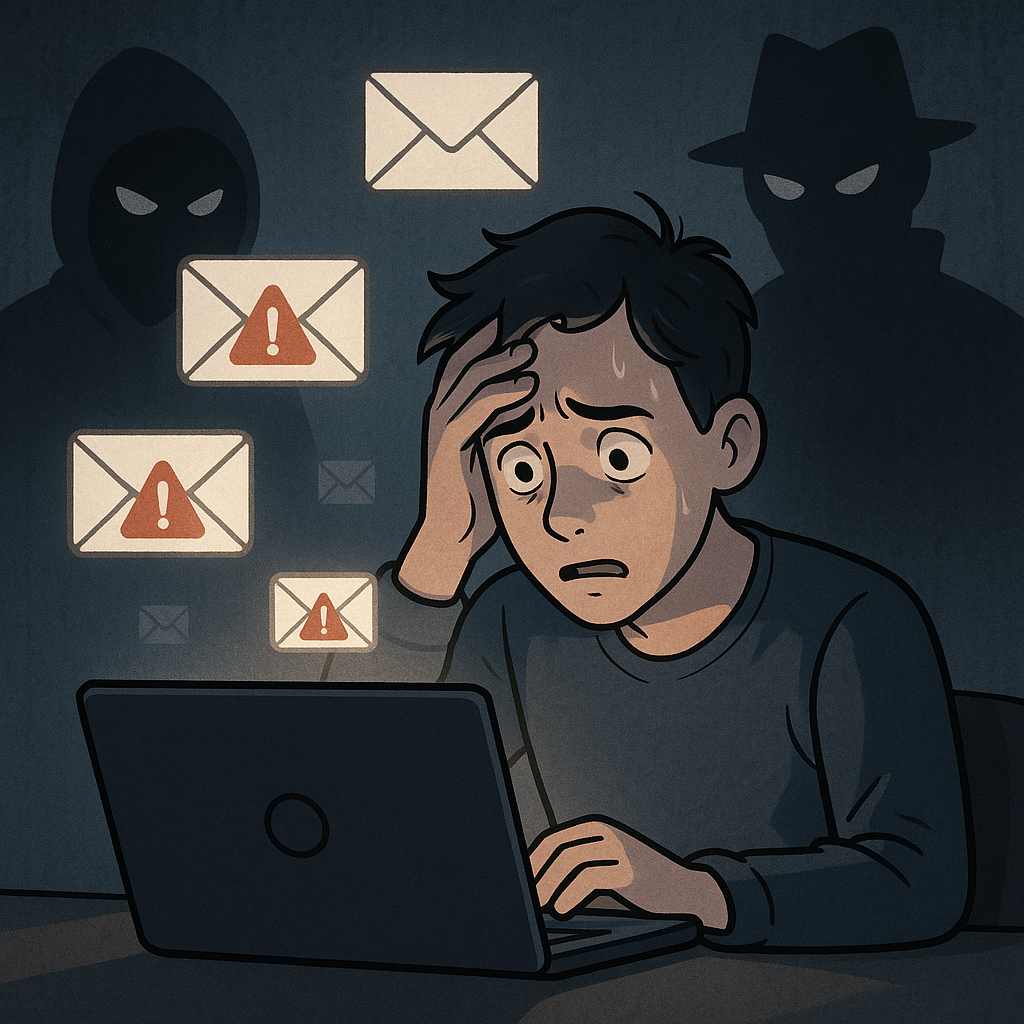
That vacation photo from the office. The excited post about starting a new job. The screenshot of your work badge on your first day. These everyday social media moments feel harmless, but they can give scammers everything they need to steal from your employer.
Business email compromise has become one of the costliest forms of cybercrime, and social media plays a quiet but critical role in how these attacks succeed. Criminals use publicly shared information to build convincing impersonation emails, target vulnerable employees, and time their attacks perfectly. Understanding this connection matters whether you’re just starting your career, changing jobs, or working in any role that touches payments, vendors, or sensitive company information.
What Business Email Compromise Actually Looks Like
Business email compromise, often abbreviated as BEC, is a targeted email scam designed to trick employees into sending money, changing payment details, or sharing confidential information. Unlike mass phishing emails that cast a wide net, BEC attacks are carefully researched and personalized.
A typical attack starts with reconnaissance. The scammer identifies a target company and studies its employees, vendors, payment processes, and organizational structure. They look for opportunities where someone might authorize a payment, update banking information, or handle a time-sensitive request. Once they understand the workflow, they send an email that appears to come from a trusted source: an executive, a vendor, or a colleague.
The email itself often feels legitimate because it includes accurate details. The scammer knows the CEO’s name, references real projects, mentions actual vendors, and uses appropriate company terminology. This level of detail comes from information freely available online, and social media provides much of it.
According to analysis of thousands of reported scams, approximately 30.75 percent of job-related fraud attempts arrive via email, with social media accounting for another 20.19 percent. Finance departments face the highest targeting rate at 35.45 percent, followed by IT at 30.43 percent and healthcare at 15.41 percent. These numbers reflect where money moves and where access to systems matters most.
How Social Media Creates Attack Opportunities
Social media posts about work rarely feel risky when you publish them. A LinkedIn update about a new role, an Instagram story from the office, a proud moment shared with colleagues—these seem like normal professional or personal sharing. From a scammer’s perspective, each post is a data point.
The “mosaic effect” describes how small, individually harmless pieces of information combine into a useful profile. One post mentions your employer. Another identifies your department. A third shows who you report to. A fourth reveals you handle vendor payments. Separately, none of these details seem sensitive. Together, they create a targeting roadmap.
Real examples show how this works in practice. A new employee posts excitement about starting a finance role at a tech company. The scammer now knows three things: this person is unfamiliar with company processes, they likely have payment authority or access, and they’re eager to prove themselves. An email arrives days later appearing to come from the CFO, requesting an “urgent wire transfer for a time-sensitive vendor payment” and asking the employee not to delay with “unnecessary verification steps that will slow the deal.” The new hire, not yet familiar with approval chains and wanting to appear competent, processes the payment.
Information that aids scammers includes employer names, job titles, department assignments, manager names, coworker connections, office locations, travel schedules, vendor relationships, project details, and organizational changes. Each element helps attackers craft more believable messages or identify better timing for their attempts.
Why New Employees Face Higher Risk
Starting a new job creates a perfect storm of vulnerability factors. New employees don’t yet know company processes, approval chains, or communication norms. They haven’t learned which requests are routine versus unusual. They want to make good impressions and prove their value quickly. They’re also more likely to post about their new role on social media, creating fresh targeting opportunities.
Scammers specifically hunt for evidence of new hires. They monitor company announcements, LinkedIn job changes, and employee posts that mention onboarding. A study analyzing 2,670 social media posts related to work scams identified suspicious contact information in 41.1 percent of cases, unrealistic salary offers in 25.7 percent, and requests for confidential information in 17.49 percent. These patterns target people still learning to distinguish normal from abnormal workplace communications.
The first 90 days at any job represent peak vulnerability. During this period, employees are learning systems, meeting colleagues, and establishing routines. An email that asks for something unfamiliar doesn’t immediately trigger suspicion because everything is unfamiliar. The instinct to be helpful, responsive, and accommodating—traits that make someone good at their job—become liabilities when exploited by social engineers.
Red Flags That Signal Potential Scams
Recognizing warning signs matters more than trying to never be targeted. Several patterns consistently appear in successful BEC attempts.
Unusual urgency tops the list. Legitimate business processes include checks, balances, and reasonable timeframes. When an email demands immediate action, insists on secrecy, or discourages normal verification steps, suspicion should increase. Phrases like “handle this today,” “don’t discuss with anyone,” or “urgent CEO request” often signal manipulation rather than actual business need.
Communication channel mismatches create another red flag. A vendor who normally sends invoices through a portal suddenly emails an “updated bank account.” An executive who always schedules calls sends a text message requesting gift cards. A recruiter reaches out via personal email rather than the company domain. When the channel doesn’t match the request’s importance or sensitivity, verification becomes essential.
Requests for unusual information or actions deserve scrutiny. Legitimate employers don’t ask candidates to pay for training, equipment, or background checks. Real vendors don’t suddenly change payment details without a phone call. Actual executives don’t request wire transfers via email without following established approval processes. When something feels procedurally wrong, it probably is.
Domain and formatting details provide technical clues. Scammers often use lookalike domains that differ by one character, or send from free email services when pretending to represent a company. They may copy real email signatures but include different contact information. They might use slightly off language, unusual phrasing, or formatting that doesn’t quite match previous communications from the same supposed sender.
Target’s official career page demonstrates what clear employer verification looks like in practice. The company explicitly states that recruiter communications come from @target.com email addresses, open positions appear only on the official careers site, applications go through Workday, and Target never asks candidates for payment, gift cards, or banking information during hiring. This level of specificity helps job seekers distinguish real opportunities from scams.
Practical Verification Steps That Actually Work
Knowing red flags helps, but taking action to verify suspicious communications matters more. Effective verification doesn’t require technical expertise—it requires process discipline and willingness to slow down.
The most reliable verification method is independent confirmation through a separate channel. If an email requests a payment change, call the vendor using a phone number from their official website or previous invoices, not contact information from the suspicious email. If a message claims to come from an executive, check the company directory for their actual email address and send a separate message, or walk to their office, or call their known number. This simple step—verifying through a different, trusted path—stops most BEC attempts.
Checking official sources provides another layer of protection. Company websites list legitimate recruiter domains, application processes, and contact methods. Vendor portals show authorized personnel and communication channels. Internal directories confirm employee email addresses and reporting structures. When a request doesn’t align with official information, it warrants deeper investigation.
Consulting with colleagues or supervisors removes the burden of solo decision-making. Asking “Is this request normal?” or “Can you confirm this vendor contact?” isn’t a sign of incompetence—it demonstrates appropriate caution. Most organizations prefer employees who verify unusual requests over those who process fraudulent transactions to appear efficient.
Documentation creates both protection and evidence. Forwarding suspicious emails to IT security, saving screenshots, and noting verification steps builds a record that protects employees if something goes wrong. It also helps security teams identify patterns and protect others from similar attacks.
New hires should use onboarding to ask specific questions about communication norms, payment approval chains, vendor management processes, and who to contact with security concerns. Questions like “What’s the normal process for vendor payment changes?” or “How do executives typically handle urgent requests?” establish knowledge that helps identify anomalies later.
What Not to Share on Social Media
Absolute social media silence isn’t realistic or necessary for most professionals. Strategic discretion about specific types of information provides protection without requiring complete withdrawal from online networking.
Avoid posting real-time location information related to work. Announcing “Heading to the client meeting in Denver” or “Working from the Chicago office this week” tells scammers when you’re traveling, when your attention may be divided, and when you might be more likely to use unfamiliar devices or networks. Delay location posts until after you’ve returned.
Limit organizational detail in public posts. Sharing that you work at a company is fine; explaining that you report to the VP of Finance, sit in the accounts payable department, and process international wire transfers creates a targeting profile. General role descriptions matter less than specific process details.
Keep colleague and vendor names out of public posts when possible. Scammers use these relationships to craft convincing impersonation attempts. A post that tags your manager, mentions your team lead, and references the vendors you work with hands attackers a social engineering blueprint.
Avoid posting photos that reveal sensitive information. Office whiteboards, computer screens, badge details, building security features, and documents visible in backgrounds can all leak information. Before posting photos from work settings, review them for unintended exposure.
Consider timing when posting about career changes. Announcing a new job is normal professional behavior, but recognize that it also signals vulnerability. Be especially cautious about unusual requests in the weeks immediately following a job-change announcement.
Review privacy settings and old posts periodically. Many people share more openly early in their social media use than they would today. Reviewing past posts for sensitive information and tightening privacy controls limits attacker access to your digital history.
Why Smart People Still Fall for These Scams
Understanding that intelligence doesn’t prevent social engineering matters for building realistic defenses. The traits that make someone successful at work—being responsive, trusting colleagues, acting decisively, and wanting to be helpful—are exactly the traits that social engineers exploit.
Scammers succeed by manipulating context, not by fooling stupid people. They create situations where normal professional behavior becomes the vulnerability. Responding quickly to executive requests is usually good. Following vendor update procedures is typically appropriate. Being helpful to new colleagues is professional. Scammers craft scenarios where these instincts work against the target.
Authority and urgency bypass critical thinking. Research on influence and persuasion consistently shows that people comply with requests from perceived authority figures, especially under time pressure. An email appearing to come from a CEO requesting an urgent payment creates psychological pressure that can override skepticism, regardless of the recipient’s intelligence or education.
Lack of information creates vulnerability that intelligence can’t overcome. A new employee doesn’t know what’s normal yet. Someone unfamiliar with a particular vendor can’t recognize that a request seems unusual. A person who hasn’t been trained on payment approval processes has no baseline for identifying deviations. Knowledge gaps are information problems, not intelligence problems.
The solution isn’t trying to be smarter—it’s building verification habits that don’t depend on spotting sophisticated deception. When verification becomes automatic rather than optional, social engineering loses its effectiveness.
Building Long-Term Awareness and Protection
Security awareness isn’t a one-time training exercise or a checklist to complete during onboarding. It requires ongoing attention and cultural support.
Organizations that successfully defend against BEC create environments where verification is encouraged, not penalized. When employees know they won’t be criticized for asking questions, confirming unusual requests, or slowing down time-sensitive demands, they’re more likely to catch scams before money moves.
Regular, realistic training using actual examples matters more than generic compliance modules. Showing employees real phishing emails the company received, walking through recent scam attempts, and discussing specific red flags relevant to their roles creates practical knowledge rather than theoretical awareness.
Clear processes for high-risk actions provide structure that makes verification automatic. Written procedures for payment changes, vendor updates, banking modifications, and urgent executive requests should include mandatory verification steps that apply even when someone senior makes the request.
Career protection requires personal responsibility beyond what employers provide. Regardless of company training or policies, individuals benefit from maintaining healthy skepticism, asking verification questions, documenting unusual requests, and limiting social media exposure of operational details.
The stakes for individuals extend beyond company losses. Employees who fall for BEC scams may face professional consequences including job loss, damaged reputation, or legal liability depending on circumstances and negligence. Protecting your employer protects your career.
What to Do If You Suspect a Scam
Despite best efforts, suspicious communications will reach you. Having a clear response plan matters as much as prevention.
Don’t engage with the suspicious message. Replying to ask questions or pointing out that you’re suspicious can alert the scammer to change tactics or disappear. Instead, verify through an independent channel as described earlier.
Forward the suspicious email to your IT security or security team using your organization’s reporting process. Many companies have specific email addresses for security reports. This creates a record, alerts teams who can investigate, and helps protect colleagues from similar attempts.
If you’ve already responded to or acted on a suspicious request, report it immediately. Faster reporting improves the chances of stopping payments, limiting damage, or beginning investigation. Embarrassment or fear of consequences causes delays that make recovery harder.
Document what happened, including the original message, your actions, when you realized something was wrong, and what you reported. This documentation protects you and aids investigation.
For job seekers who encounter suspicious opportunities, check the company’s official career page for verification instructions and anti-fraud warnings. Legitimate organizations increasingly publish this guidance. Report scams to the FBI’s Internet Crime Complaint Center and the Federal Trade Commission to help authorities track patterns.
Moving Forward With Practical Awareness
Social media and workplace email aren’t going away, and neither are the scammers who exploit them. The goal isn’t fearful withdrawal from online professional life—it’s informed participation with appropriate caution.
Understanding that everyday posts can create targeting opportunities changes how you think about sharing work information publicly. Recognizing that new jobs create vulnerability windows helps you maintain extra vigilance during transitions. Knowing that verification isn’t rude or inefficient—it’s professional—makes it easier to slow down when something feels wrong.
The most effective defense against business email compromise combines individual awareness with organizational process. Neither alone provides complete protection, but together they create meaningful barriers.
Your career depends partly on demonstrating sound judgment and protecting your employer’s interests. In an era where a single email can cost millions, the ability to recognize red flags, verify unusual requests, and maintain appropriate skepticism about too-convenient opportunities represents an essential professional skill that nobody teaches in school but everyone needs at work.
Enjoyed this article?
Subscribe to Professor Simon's weekly newsletter for practical insights, career guidance, and leadership lessons delivered every Friday.
A confirmation email will be sent. If you don't receive it, please check your spam or junk folder.
No spam. Unsubscribe anytime.
Prefer to Listen?
Listen to Professor Simon’s IT & Cybersecurity Podcast for practical conversations about cybersecurity careers, certifications, security leadership, and real-world lessons from the field.
Listen on Spotify