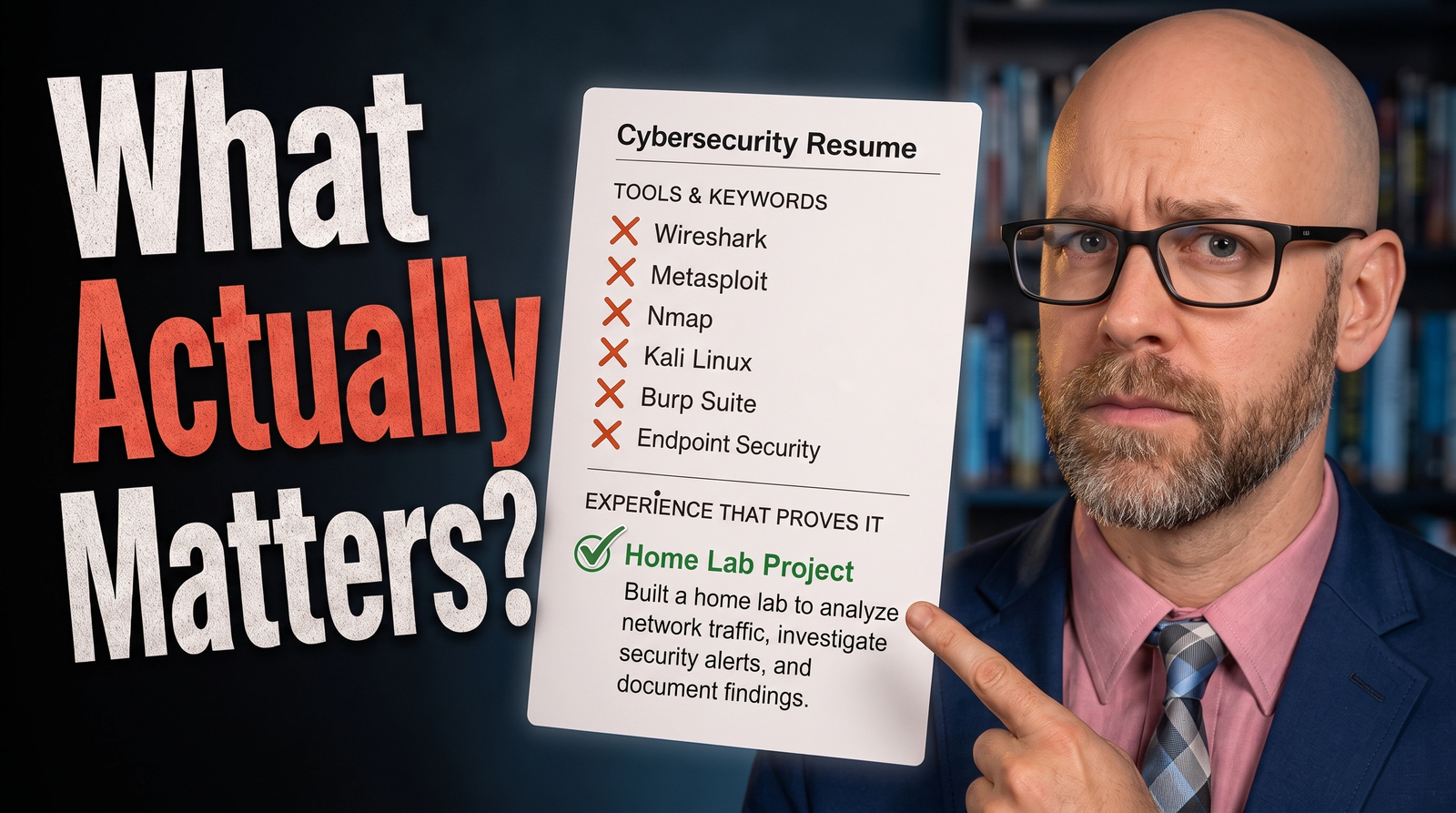
How to Get Cybersecurity Experience When Nobody Will Hire You
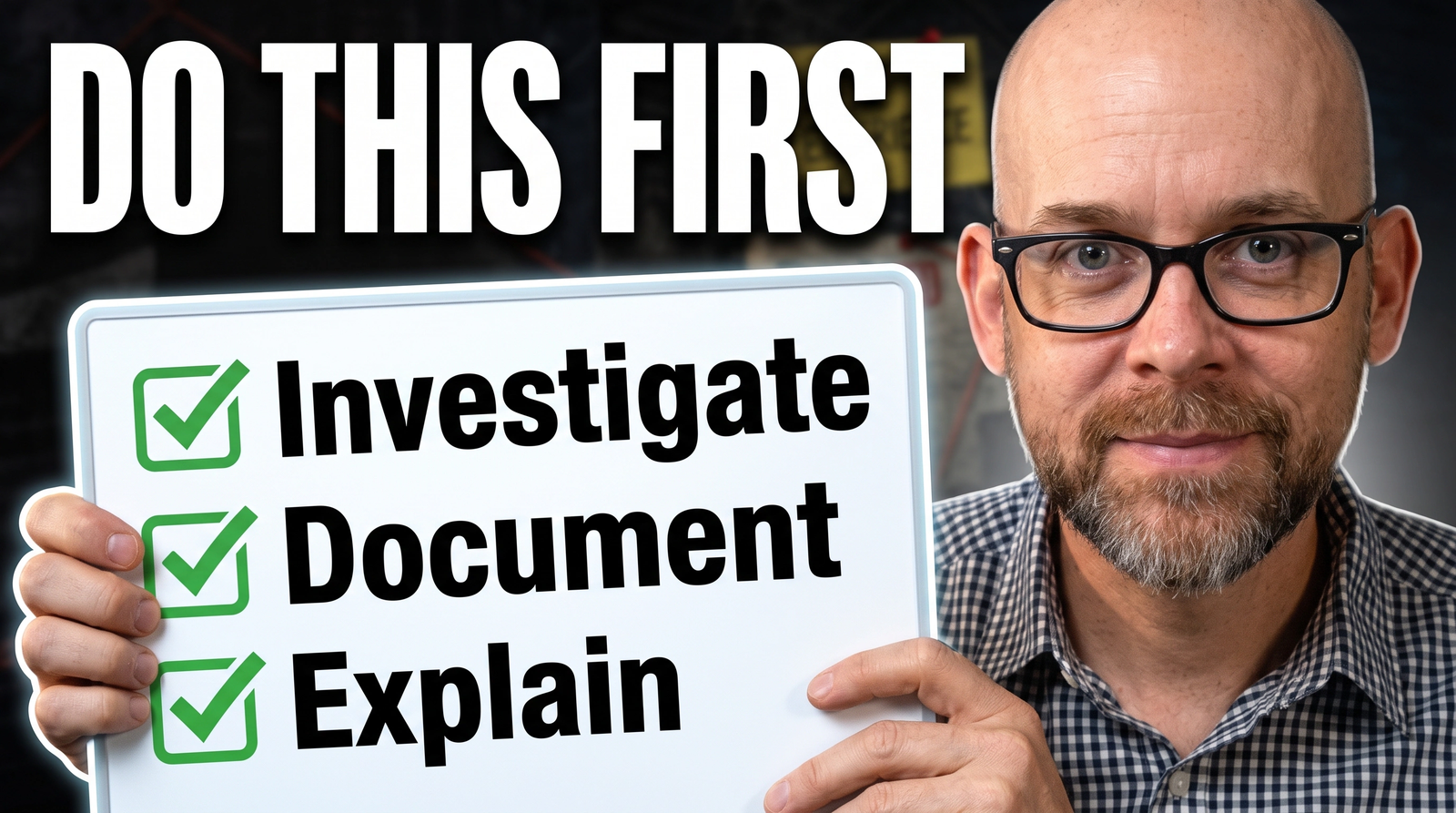
I see a lot of advice telling aspiring cybersecurity professionals to build a home lab. I also see a lot of candidates who built elaborate labs but still cannot get hired.
The problem is not that the advice is completely wrong. The problem is that building a lab and having meaningful experience are not the same thing.
If you cannot explain what problem you were investigating, what decisions you made, and what you learned when things did not work as expected, you have not built experience. You have just been busy.
This matters because you are competing against hundreds of other candidates who also built home labs, also earned Security+ or CEH certifications, and also completed TryHackMe or HackTheBox modules. Hiring managers cannot differentiate between you based on activities alone.
You do not need employer permission to build credible cybersecurity experience. But you do need to understand what experience actually means and how to demonstrate it.
Prefer to read the full breakdown? Keep scrolling. Prefer to watch? Full video above.
The Experience Paradox Nobody Wants to Talk About
Entry-level cybersecurity positions routinely require two to three years of experience. Internships prefer candidates who already have technical skills. Even junior SOC analyst roles expect familiarity with SIEM platforms, incident response procedures, and security frameworks.
This creates an impossible barrier. You cannot get experience without a job, but you cannot get a job without experience.
The standard advice is to build a home lab, complete online training platforms, earn more certifications, or contribute to open source projects. This advice is not wrong, but it is incomplete.
Completing these activities does not automatically translate into something hiring managers recognize as experience. Most candidates do not understand what evaluators actually look for or how to demonstrate capability without formal employment.
Why Building a Home Lab Is Not Enough
Hiring managers see hundreds of resumes listing home labs. Most describe elaborate environments with virtualization platforms, multiple operating systems, security tools, and network configurations.
Very few candidates can explain what problems they investigated in those labs, what decisions they made, or what they learned when their configurations failed.
Following a tutorial to install Security Onion or configure pfSense demonstrates that you can follow instructions. That matters, but it does not demonstrate judgment, problem-solving ability, or professional reasoning.
When I review portfolios or conduct interviews, I ask candidates to walk me through a project from their home lab. I want to know what problem they were trying to solve, why they chose their specific approach, what alternatives they considered, and what surprised them about the results.
Most candidates describe what they built but cannot explain why they made specific decisions. They followed a guide. They completed the steps. They got it working. Then they moved on to the next tutorial.
That is activity completion, not experience.
What Hiring Managers Actually Mean by Experience
Experience is not time spent doing activities. Experience is the ability to investigate problems, make decisions under uncertainty, explain your reasoning, and learn from results.
When a job posting asks for two years of experience, hiring managers want evidence that you can:
- Identify and frame security problems clearly
- Evaluate different approaches and choose one with justification
- Implement your approach and adapt when things do not work as expected
- Document your work so others can understand and build on it
- Explain what you learned and what you would do differently next time
- Communicate technical concepts to people with different backgrounds
These capabilities develop through practice, reflection, and communication. They do not develop automatically just because you spent time in a lab environment.
Two candidates might both list home labs on their resumes. One can explain the problem they investigated, why they chose specific tools, what happened when their initial approach failed, and what they learned from troubleshooting. The other can only describe the tools they installed and the tutorials they completed.
The first candidate has experience. The second candidate has been busy.
This distinction matters because security work constantly involves ambiguity, incomplete information, and situations where the textbook answer does not quite fit. Hiring managers need evidence that you can think through problems, not just follow instructions.
How to Turn Learning Activities Into Evidence of Capability
The solution is not to build more complex labs or earn additional certifications. The solution is to approach your learning activities differently.
Every project, lab exercise, or investigation should answer a specific question or solve a particular problem. Before you start, write down what you are trying to learn or accomplish and why it matters.
As you work, document your decisions. When you choose one approach over another, explain why. When something does not work as expected, document what happened and how you troubleshot it. When you discover something that surprises you, write down what you learned.
This documentation matters more than the complexity of your environment. A simple project investigating one focused question with clear documentation of your reasoning process provides stronger evidence of capability than an elaborate environment you cannot fully explain.
Write your documentation for someone who cannot see your lab or watch you work. Explain what problem you investigated, what approach you chose and why, what results you observed, and what you learned or would do differently.
This transforms activity completion into demonstrated judgment.
Include projects that did not work as expected. Document what went wrong, why it went wrong, and what you learned from the experience. The ability to explain failures and learn from them demonstrates professional maturity that many experienced practitioners still lack.
Security work involves constant troubleshooting, unexpected results, and adaptation. Showing that you can handle setbacks and learn from them provides valuable evidence of how you will perform under actual working conditions.
Communication matters as much as technical capability. If you cannot explain your work clearly, hiring managers cannot assess your thinking. Good documentation reveals whether you understand underlying concepts or just followed steps.
Finding Security Experience in IT Work You Already Do
Many candidates overlook that help desk work, system administration, network support, or other IT roles provide direct exposure to security concepts, even when the job title does not say cybersecurity.
If you work in IT, you already handle security-relevant tasks. You manage user access and permissions. You respond to potential security incidents. You balance security requirements with usability. You implement security controls. You educate users about security policies.
The problem is that most candidates do not recognize or document these activities as security experience.
Start identifying the security aspects of your current work. When you handle an access request, you make decisions about least privilege and need-to-know. When you troubleshoot a system problem, you consider whether the issue might indicate compromise. When you implement a new system, you configure security settings and explain security requirements to users.
Document these experiences with the same approach you would use for lab projects. Explain the problem, the decisions you made, the constraints you worked within, and what you learned.
Understanding how systems actually work, how users behave, how organizations operate, and how things break provides foundation that pure security training cannot replicate. Security professionals need to understand the environments they protect.
Your current IT experience has value. You need to recognize it, document it, and articulate how it relates to security work.
Creating Real Accountability Through Volunteer Work and Contributions
Home labs provide valuable learning environments, but they lack one critical element: real consequences.
When your work affects real people or real organizations, your decisions matter differently. You must consider constraints you cannot control. You must explain recommendations to non-technical stakeholders. You must deliver results that actually work in production environments.
Helping a nonprofit secure their systems, contributing to open source security projects, or assisting community organizations creates accountability that home labs cannot replicate.
This experience demonstrates professionalism and reliability, not just technical skill. It shows you can work with real requirements, real deadlines, and real people who depend on your work.
Look for opportunities where you must explain your security recommendations to people without technical backgrounds. Practice translating security concepts into business terms. Learn to balance perfect security with practical constraints.
These situations develop skills that many technically capable candidates lack. The ability to communicate with stakeholders, work within organizational constraints, and deliver practical solutions matters as much as technical knowledge.
Approach these opportunities professionally. Deliver what you promise. Document your work. Ask for feedback. Treat volunteer work with the same professionalism you would bring to paid employment.
What to Do Starting Tomorrow
You do not need to start new projects or build more complex environments. You need to change how you approach the work you already do.
Choose one recent learning activity, lab exercise, or project. Document it properly. Explain what problem you investigated, what approach you chose and why, what decisions you made, what results you observed, and what you learned.
Write this documentation for someone who cannot see your lab. Be specific about your reasoning. Include what did not work and how you adapted.
Create a public repository, blog, or portfolio where you share this work. Focus on demonstrating your investigation process and reasoning, not just your conclusions.
If you currently work in IT, identify one security-relevant aspect of your job this week. Document how you approached it, what decisions you made, and what constraints you worked within.
For your next learning activity, choose a project that requires you to make decisions under uncertainty rather than following step-by-step tutorials. Investigate a question that does not have one obvious answer. Document your reasoning process as you work.
Look for one volunteer opportunity where your security work will affect real people or organizations. Start small. Focus on situations that require you to explain recommendations to non-technical stakeholders.
These changes do not require permission, expensive tools, or more certifications. They require approaching your work differently and communicating about it effectively.
Moving Forward
The experience paradox feels impossible because candidates focus on activities rather than evidence. You complete tutorials, build labs, and earn certifications, then wonder why hiring managers still see you as inexperienced.
The solution is not doing more of the same activities. The solution is demonstrating judgment, decision-making, and learning through documentation and communication.
You do not need employer permission to build credible experience. You need to investigate problems, make decisions, document your approach, and explain your reasoning. You need to show that you can think through ambiguous situations and learn from results.
Start with the work you are already doing. Document it properly. Communicate clearly. Focus on demonstrating how you think, not just what you completed.
That is how you build experience that hiring managers actually recognize.
Tagged:
Enjoyed this article?
Subscribe to Professor Simon's weekly newsletter for practical insights, career guidance, and leadership lessons delivered every Friday.
A confirmation email will be sent. If you don't receive it, please check your spam or junk folder.
No spam. Unsubscribe anytime.
Prefer to Listen?
Listen to Professor Simon’s IT & Cybersecurity Podcast for practical conversations about cybersecurity careers, certifications, security leadership, and real-world lessons from the field.
Listen on Spotify