Healthcare Data Breaches: What Happens After Your Information Is Exposed
Healthcare Data Breaches: What Happens After Your Information Is Exposed
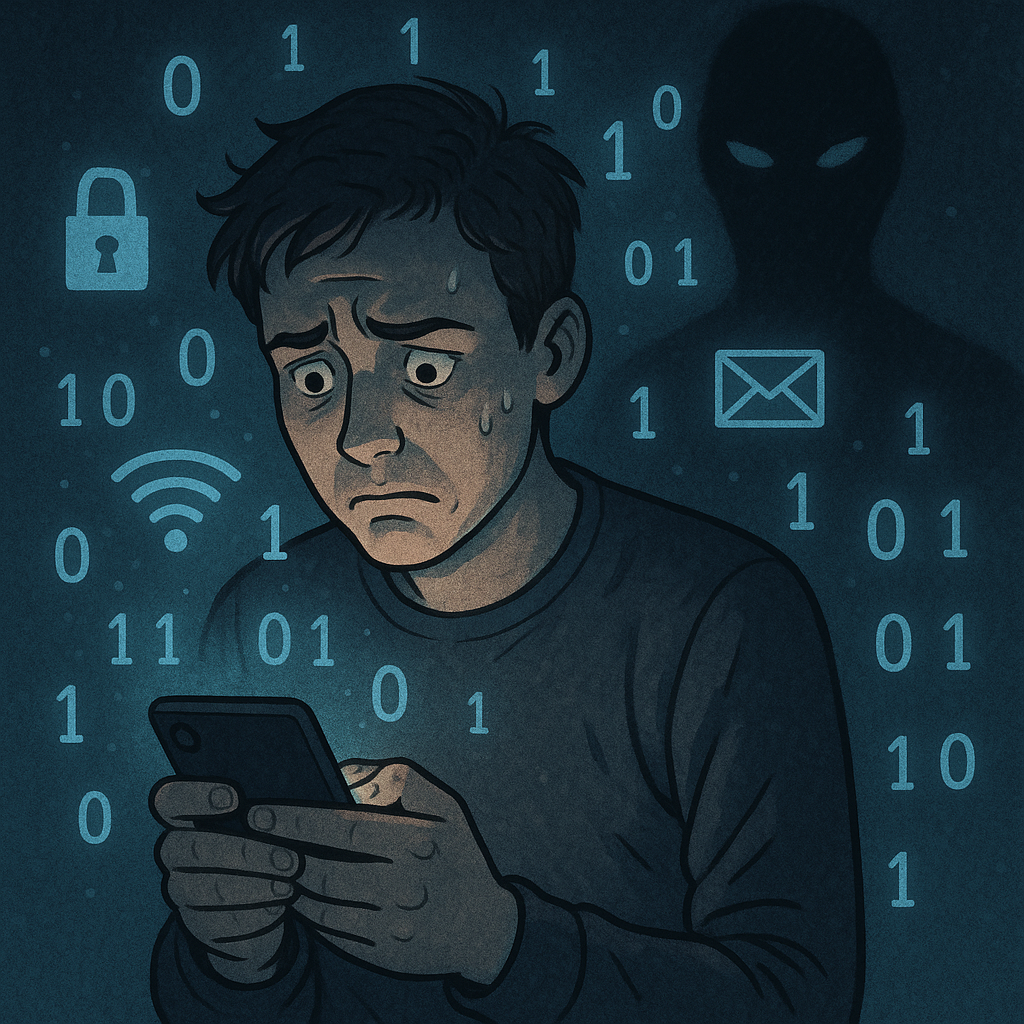
A healthcare data breach notification arrives in the mail—a plain envelope containing news that personal medical information may have been exposed. For millions of Americans, this scenario has become increasingly common. In 2024 alone, 276 million healthcare records were compromised, affecting nearly every U.S. citizen at least once. Yet most patients remain unclear about what happens next, what rights they hold, and what practical steps protect them from lasting harm.
Healthcare breaches differ fundamentally from other data exposures. Medical records contain Social Security numbers, diagnoses, insurance details, and prescription histories—information that enables identity theft, insurance fraud, and medical identity theft that can persist for years. Unlike credit cards that can be canceled and reissued, personal health information cannot be changed. Once exposed, it remains permanently compromised.
This guide walks through the breach notification process, explains patient rights and organizational obligations, outlines concrete actions to take immediately and long-term, and examines the unique risks healthcare data poses compared to financial information.
Understanding Healthcare Data Breach Notifications
Healthcare organizations face strict legal obligations when protected health information (PHI) becomes exposed. Under HIPAA’s Breach Notification Rule, any unauthorized access, use, or disclosure affecting 500 or more individuals triggers mandatory reporting to the Department of Health and Human Services (HHS) and direct notification to affected patients within 60 days of discovery.
The notification letter typically contains several key elements. It identifies what type of information was exposed—medical record numbers, Social Security numbers, diagnoses, treatment details, insurance information, or billing records. It explains how the breach occurred, whether through hacking, unauthorized employee access, lost devices, or third-party vendor compromise. The letter includes when the organization discovered the breach and what steps it has taken to secure systems and prevent recurrence.
Most importantly, the notification outlines what resources the organization will provide. Many breached entities offer free credit monitoring services for one to two years, though this varies by state law and organizational policy. The letter should also include contact information for questions and instructions for obtaining additional details about the incident.
Not all unauthorized access qualifies as a reportable breach under HIPAA. Organizations conduct risk assessments evaluating factors like the nature of exposed PHI, who accessed it, whether it was actually viewed or acquired, and the extent of mitigation. This explains why some incidents result in notifications while others do not—a distinction that sometimes frustrates patients who learn about potential exposures through news reports rather than direct communication.
What Actually Happened to Your Information
Understanding what occurs during different breach types helps clarify the actual risk level and appropriate response.
Hacking and Ransomware Attacks
The majority of large-scale healthcare breaches stem from external cyberattacks. In 2024, hacking incidents accounted for the vast majority of compromised records, with ransomware groups specifically targeting healthcare systems. When attackers deploy ransomware, they typically exfiltrate data before encrypting systems—meaning patient information gets copied to attacker-controlled servers even if the healthcare organization refuses to pay ransom.
The Change Healthcare breach in early 2024 affected between 190 and 193 million individuals when attackers accessed systems containing insurance claims and payment processing data spanning years. This single incident exposed data for more than half the U.S. population, demonstrating the concentration risk created by healthcare data consolidation.
Ransomware groups increasingly publish stolen data on dark web leak sites as pressure tactics. In the Covenant Health breach affecting 478,000 patients, the Qilin ransomware group released 850 gigabytes of data when ransom demands went unmet. This means patient information including names, Social Security numbers, diagnoses, and treatment details became publicly accessible to anyone with technical knowledge to access these sites.
Insider Threats and Unauthorized Access
Healthcare workers with legitimate system access sometimes view records without authorization—a category representing a significant but often underreported breach type. Employees may access records of family members, neighbors, celebrities, or coworkers out of curiosity or malicious intent.
These incidents typically affect fewer individuals than hacking events but can feel more violating since they involve trusted insiders. The 66% higher likelihood of insider threats compared to external attacks in healthcare settings reflects both the sensitive nature of medical work and the reality that numerous employees require some level of record access for legitimate duties.
Third-Party Vendor Breaches
More than 80% of stolen healthcare data originates from third-party vendors rather than healthcare providers themselves. Billing companies, insurance processors, IT service providers, and analytics firms all handle protected health information, and breaches at these entities can affect millions across multiple healthcare organizations simultaneously.
The Episource breach in early 2025 compromised 5.4 million records when attackers accessed a medical billing and risk adjustment company’s systems. Patients had no direct relationship with Episource and often learn about these incidents only when their healthcare provider or insurer sends notifications on behalf of the breached vendor.
This creates particular frustration since patients have no control over which vendors their providers use and often cannot determine what security practices these third parties employ. The 94% of healthcare organizations granting vendors high-level system access further amplifies this risk.
Tracking Pixels and Web Technology Exposures
A newer category involves tracking technologies embedded on healthcare websites and patient portals. The Kaiser Permanente breach affecting 13.4 million members resulted from tracking pixels that transmitted patient information to Google, Microsoft, and other technology companies when individuals accessed specific pages or performed searches.
These incidents differ from traditional breaches because organizations intentionally installed the tracking technology, though they failed to recognize it would capture and transmit PHI. The exposed information varies but often includes IP addresses tied to specific patient portal activities, search terms revealing medical conditions, and appointment scheduling data.
Immediate Actions to Take After Receiving a Breach Notice
The first 30 days after learning of a healthcare data breach require focused attention to prevent immediate harm and establish monitoring systems for long-term protection.
Review the Notification Details Carefully
Start by identifying exactly what information was exposed. Breaches involving Social Security numbers and financial information create different risks than those exposing only medical diagnoses or treatment details. If the notification lists specific data elements, document these for reference. If the letter provides vague descriptions, contact the organization’s breach response line for clarification about what categories of information your records contained at the time of the breach.
Note whether the organization is offering credit monitoring, identity theft protection, or other services, along with enrollment deadlines. Many organizations provide these services for 12-24 months, but coverage typically requires active enrollment within 90 days of the notification.
Enroll in Offered Credit Monitoring and Identity Protection
If the breached organization offers free credit monitoring, enroll immediately even if you already maintain commercial credit monitoring. Additional layers of monitoring increase the likelihood of detecting fraudulent activity early, and the offered services often include identity restoration support and insurance coverage that may exceed existing protections.
Healthcare-specific breaches may also include medical identity theft monitoring, which tracks for someone using your health insurance to obtain medical services. This differs from credit monitoring and addresses healthcare-specific fraud scenarios.
Place Fraud Alerts or Credit Freezes
A fraud alert notifies creditors to take additional steps verifying identity before opening new accounts. One fraud alert with any of the three credit bureaus (Equifax, Experian, TransUnion) triggers alerts at all three and remains active for one year, with free renewal. This free measure provides basic protection with minimal inconvenience.
A credit freeze provides stronger protection by blocking access to your credit report entirely, preventing new account openings. Freezes must be placed and lifted separately at each credit bureau and remain in place until you remove them. For individuals with exposed Social Security numbers, credit freezes offer the most effective protection against identity theft, though they require planning ahead when legitimate credit applications are needed.
The distinction matters: fraud alerts allow access but request verification, while freezes block access entirely until temporarily lifted. Given the zero cost of freezes since 2018 federal law changes, many security professionals recommend freezes as the default position for anyone with compromised Social Security numbers.
Monitor Explanation of Benefits Statements
Medical identity theft often appears first in insurance paperwork rather than credit reports. Review every Explanation of Benefits (EOB) statement for services, prescriptions, or provider visits you did not receive. Even small discrepancies warrant investigation—criminals sometimes test stolen information with minor transactions before attempting larger fraud.
Contact your insurance company immediately if EOB statements show:
- Medical services at facilities you have never visited
- Prescriptions you did not request
- Dates of service when you received no care
- Treatments inconsistent with your medical history
Request a Disclosure Accounting from Providers
HIPAA guarantees patients the right to receive an accounting of disclosures—a record of when and to whom their health information was shared outside normal treatment, payment, and operations. While this accounting has limitations and does not include all routine disclosures, it can reveal unusual access patterns or inappropriate sharing.
Request this accounting from the breached organization and from your primary healthcare providers if a vendor breach potentially affected multiple organizations where you receive care. The first accounting in a 12-month period must be provided free of charge, though organizations can charge reasonable fees for additional requests.
Document Everything
Create a dedicated folder—physical or digital—for all breach-related documentation. Store copies of the notification letter, enrollment confirmations for monitoring services, correspondence with the breached organization, credit bureau confirmation numbers, and notes from phone calls including dates, times, and representative names.
This documentation becomes essential if you later need to dispute fraudulent accounts, file complaints with regulators, or demonstrate damages in potential legal proceedings. The more detailed your records, the stronger your position in any subsequent actions.
Long-Term Monitoring and Protection Strategies
Healthcare data breaches create risks that persist for years after the initial incident. Compromised Social Security numbers and medical information do not expire, requiring ongoing vigilance beyond immediate response measures.
Establish Routine Monitoring Practices
After the offered credit monitoring period expires, continue checking your credit reports regularly. Federal law guarantees free annual credit reports from each bureau through AnnualCreditReport.com. Stagger requests every four months (one bureau every four months) to maintain year-round monitoring without cost.
Set calendar reminders to review:
- Credit reports quarterly
- Medical EOB statements monthly
- Annual Medicare Summary Notices (for Medicare beneficiaries)
- Provider patient portal audit logs if available
Monitor for Medical Identity Theft Warning Signs
Medical identity theft creates unique problems beyond financial fraud. Someone using your health insurance to obtain medical services adds incorrect information to your medical records—false diagnoses, treatments you never received, or medication allergies you do not have. This corrupted information can lead to dangerous treatment decisions if providers rely on inaccurate records.
Warning signs of medical identity theft include:
- Bills for medical services you did not receive
- Debt collection notices for medical debts you do not owe
- Insurance denials stating benefit limits have been reached when you have not used coverage
- Notification from your insurer about medical conditions you do not have
Request copies of your medical records annually from all providers to verify accuracy. If incorrect information appears, submit written requests for corrections under HIPAA’s amendment rights, though organizations can deny correction requests if they did not create the disputed information.
Understand the Limitations of Credit Monitoring
Credit monitoring services detect new account openings and credit inquiries but may miss several fraud types. Medical identity theft often occurs without triggering credit events. Government benefits fraud—criminals filing tax returns or claiming unemployment using stolen identities—may not appear on credit reports until collection actions begin.
For comprehensive protection after healthcare breaches exposing Social Security numbers, consider these additional layers:
- Tax identity theft protection through IRS Identity Protection PIN
- Regular review of Social Security earnings statements to detect employment fraud
- Monitoring of government benefit accounts
- Dark web monitoring services checking if your personal information appears in criminal marketplaces
File Complaints When Appropriate
Patients have the right to file complaints with multiple entities following a healthcare data breach. These complaints serve several purposes: they create official records of the incident, trigger regulatory investigations that may improve future security, and establish documentation supporting potential legal claims.
The HHS Office for Civil Rights (OCR) investigates HIPAA violations and can impose penalties on organizations that fail to implement required safeguards. File complaints through the OCR complaint portal at https://www.hhs.gov/ocr/complaints/index.html within 180 days of when you knew or should have known about the violation.
State attorneys general offices increasingly pursue healthcare data breach cases, particularly when state residents are affected. Many states maintain health information privacy laws that provide protections beyond federal HIPAA requirements, and state enforcement actions have resulted in settlements requiring improved security practices and patient compensation.
The Federal Trade Commission (FTC) lacks direct HIPAA enforcement authority but investigates deceptive practices and unfair business practices related to data security. For breaches involving non-HIPAA covered entities like health apps or wellness companies, the FTC may be the primary regulatory authority.
Understanding the Unique Risks of Exposed Health Information
Healthcare data creates different threat scenarios than financial information, requiring security approaches tailored to these specific risks.
Medical Identity Theft Versus Financial Identity Theft
Financial identity theft typically involves criminals opening credit accounts or making purchases using stolen information. Victims can dispute fraudulent charges, close compromised accounts, and obtain new account numbers. While disruptive and time-consuming, financial identity theft is generally reversible.
Medical identity theft presents more complex problems. When someone uses your health insurance to obtain medical services, their health information enters your medical records. A criminal seeking treatment for conditions you do not have—diabetes, heart disease, substance abuse—creates records showing diagnoses, prescriptions, and treatments that never occurred for you.
This record contamination can have serious medical consequences. A physician treating you in an emergency may make decisions based on false information in your chart. Blood type errors, non-existent drug allergies, or fabricated medical histories can lead to dangerous treatment decisions. Unlike financial accounts that can be closed and replaced, medical records follow patients throughout the healthcare system and are extremely difficult to correct, especially when determining which information is legitimate versus fraudulent.
Insurance Fraud and Coverage Exhaustion
Criminals using stolen health insurance information for medical services consume the victim’s coverage benefits. Insurance plans maintain annual and lifetime benefit limits for certain services. Fraudulent use can exhaust these limits, resulting in denial of legitimate claims for necessary medical care.
This places victims in difficult positions—needing medical treatment but finding their insurance depleted by fraud they did not commit. While insurers should restore benefits after verifying fraud, the process requires extensive documentation and can take months to resolve. In the interim, patients may delay necessary care or pay out-of-pocket costs they cannot afford.
Pharmaceutical Fraud and Prescription Monitoring Databases
Healthcare data breaches exposing prescription histories enable criminals to target victims for pharmaceutical fraud schemes. They may use stolen information to obtain controlled substance prescriptions, creating records that the victim sought these medications.
State prescription drug monitoring programs (PDMPs) track controlled substance prescriptions across providers and pharmacies to prevent doctor shopping and prescription abuse. Fraudulent prescriptions obtained using your identity enter these databases under your name, potentially flagging you as a drug seeker and creating difficulties obtaining legitimate pain medications or other controlled substances when medically necessary.
Discrimination and Privacy Concerns
Unlike credit card numbers that represent only financial access, health information reveals deeply personal details about physical and mental health conditions, substance abuse treatment, reproductive healthcare, genetic predispositions, and other sensitive aspects of life.
Exposed health information creates risks of discrimination in employment, insurance, housing, and personal relationships. While laws like the Genetic Information Nondiscrimination Act (GINA) and Americans with Disabilities Act (ADA) provide some protections, they do not cover all situations or all types of health information. Mental health diagnoses, substance abuse treatment, and certain medical conditions carry social stigma that can affect personal and professional relationships.
For individuals in sensitive professions, law enforcement, public office, or situations involving custody disputes, exposed health information may be weaponized against them even without traditional identity theft occurring. The 2024 prevalence of ransomware groups posting stolen healthcare data on public leak sites amplifies these privacy violation risks beyond the original breach.
The Breach Response Timeline and Organizational Obligations
Understanding what organizations must do following a breach helps patients recognize whether their providers are meeting legal obligations and where gaps may exist.
Discovery and Investigation Period
Organizations must conduct investigations upon discovering potential breaches to determine whether reportable exposure occurred under HIPAA rules. This investigation period can create frustrating delays—patients may learn about potential incidents through media reports well before receiving official notifications while organizations assess the scope and conduct risk analyses.
The 60-day notification clock begins when the organization discovers the breach, not when the breach occurred. In some cases, particularly sophisticated attacks, breaches may continue for months before detection. This means the actual date of exposure may predate official notifications by substantial periods.
Notification Requirements and Timing
For breaches affecting 500 or more individuals, organizations must:
- Notify affected individuals without unreasonable delay and no later than 60 days after discovery
- Notify prominent media outlets if the breach affected residents of a state or jurisdiction exceeds 500 individuals
- Notify the HHS Secretary immediately if 500 or more individuals are affected
- Post breach information on their website if practical
For breaches affecting fewer than 500 individuals, organizations must notify affected individuals within 60 days but can delay notifying HHS until they submit annual reports (due no later than 60 days after the end of the calendar year).
This means smaller breaches affecting hundreds of patients individually may not appear on the HHS breach portal—the public database tracking healthcare breaches—until more than a year after they occur. The database available at https://ocrportal.hhs.gov/ocr/breach/breach_report.jsf lists only breaches affecting 500 or more individuals.
Remediation and Prevention Measures
Beyond notification, breached organizations should implement corrective actions to prevent recurrence. These measures vary based on the breach type but typically include system security enhancements, employee training, vendor management improvements, or access control modifications.
Patients rarely receive detailed information about these corrective measures, though settlement agreements resulting from regulatory enforcement actions sometimes require organizations to implement specific security improvements and submit to monitoring periods. The OCR’s resolution agreements, available on the HHS website, describe these required corrective action plans for organizations that violated HIPAA rules.
The Reality of Enforcement and Accountability
While HIPAA violations can result in substantial penalties—ranging from $100 to $50,000 per violation with annual maximums of $1.5 million per violation category—enforcement focuses on systematic compliance failures rather than individual incidents. Organizations that failed to conduct required risk assessments, lacked business associate agreements with vendors, or did not implement basic security measures face more severe penalties than those experiencing breaches despite good-faith security efforts.
The average healthcare data breach cost reached $7.42 million in 2025, accounting for detection, response, notification, regulatory penalties, and reputation damage. However, these organizational costs do not directly compensate affected patients. HIPAA does not provide a private right of action, meaning individuals cannot sue organizations directly for HIPAA violations. Patients must instead pursue claims under state laws regarding negligence, breach of contract, or other theories.
Class action lawsuits following major healthcare breaches face significant hurdles. Plaintiffs must demonstrate actual harm—which can be difficult to prove if identity theft has not yet occurred—and establish that the organization’s specific failures caused the breach. Many breach-related lawsuits settle for modest per-person amounts, often providing credit monitoring rather than substantial monetary compensation.
Questions Patients Should Ask After a Breach
Following a healthcare data breach notification, patients should seek answers to specific questions that help assess their actual risk level and appropriate response intensity.
What specific data elements from my records were exposed? Generic categories like “personal information” or “medical records” provide insufficient detail. Determine whether Social Security numbers, financial information, insurance details, diagnoses, treatment details, or combinations thereof were compromised.
How did the breach occur and how long did it continue before detection? Understanding whether the incident resulted from hacking, insider access, vendor compromise, or system misconfiguration helps evaluate the likelihood that exposed data reached criminals versus remaining contained. The duration of access before detection indicates how much information may have been copied.
What evidence suggests my specific information was actually accessed or acquired versus potentially exposed? Some breaches expose systems containing data without confirmation that attackers actually copied or viewed every record in those systems. Organizations should explain the basis for determining which patients’ information requires notification.
What specific services are you offering to affected individuals and for how long? Verify enrollment deadlines, coverage duration, what services are included (credit monitoring, identity restoration, medical identity theft monitoring), and any costs after the initial period ends.
Have you identified the breach cause and implemented specific measures to prevent recurrence? While organizations may limit details about ongoing security measures, they should explain whether the particular vulnerability that enabled the breach has been addressed.
Will you extend notification to other providers where I receive care so they can monitor for fraudulent activity? For vendor breaches or incidents potentially affecting records shared across multiple facilities, confirm whether the notification process includes other organizations where you are a patient.
Moving Forward After a Healthcare Data Breach
The notification letter represents the beginning rather than the end of breach response. Compromised health information creates risks that persist indefinitely, requiring ongoing monitoring and protective measures integrated into routine financial and medical record management.
The most effective long-term protection combines immediate defensive actions—credit freezes, fraud alerts, enrollment in offered services—with sustained monitoring practices that become permanent habits. Annual credit report reviews, monthly EOB statement verification, periodic requests for medical record copies, and awareness of medical identity theft warning signs provide the practical foundation for catching fraudulent activity before it causes substantial harm.
Healthcare data breaches will likely continue increasing given the value of medical information to criminals, the complex vendor ecosystems healthcare organizations depend on, and the persistent challenges of balancing system accessibility for legitimate users with security restrictions preventing unauthorized access. The 93% of healthcare organizations experiencing at least one data breach over a three-year period, with 57% experiencing five or more, illustrates the systemic nature of this problem.
Patients cannot prevent healthcare organizations and their vendors from experiencing breaches. However, understanding the specific risks healthcare data creates, knowing what actions provide meaningful protection, and maintaining awareness of warning signs enables individuals to minimize potential harm and respond effectively when breaches occur. The notification letter signals the need for action, but the actual protection comes from implementing concrete defensive measures and maintaining them long after the immediate crisis passes.
Enjoyed this article?
Subscribe to Professor Simon's weekly newsletter for practical insights, career guidance, and leadership lessons delivered every Friday.
A confirmation email will be sent. If you don't receive it, please check your spam or junk folder.
No spam. Unsubscribe anytime.
Prefer to Listen?
Listen to Professor Simon’s IT & Cybersecurity Podcast for practical conversations about cybersecurity careers, certifications, security leadership, and real-world lessons from the field.
Listen on Spotify