Career Pivots Into Cybersecurity: How Healthcare Professionals Build Unexpected Tech Careers
Career Pivots Into Cybersecurity: How Healthcare Professionals Build Unexpected Tech Careers
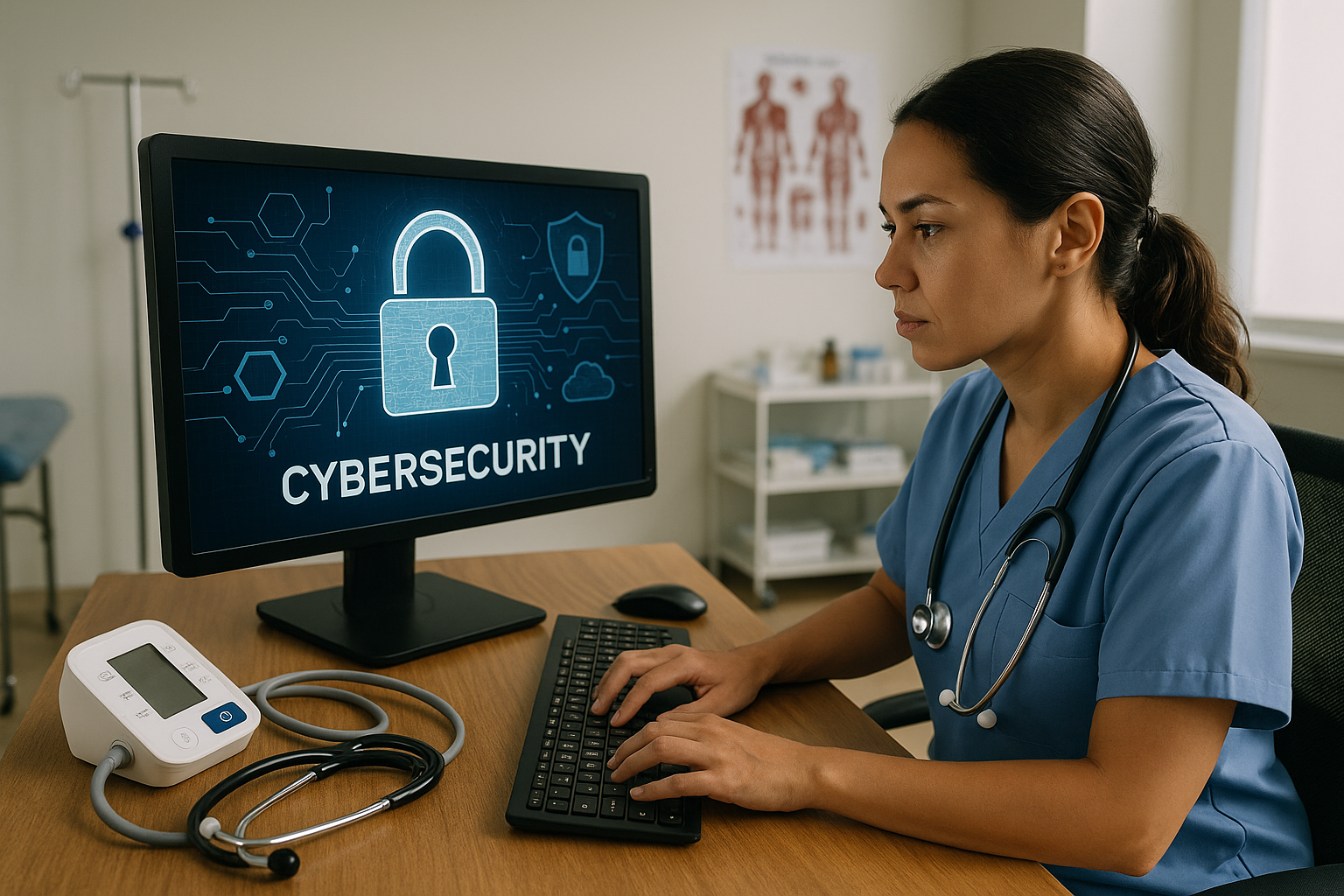
Healthcare professionals burned out from shift work, understaffing, and emotional exhaustion are discovering an unexpected career path: cybersecurity. Nurses, medical administrators, and healthcare workers bring skills directly applicable to cybersecurity roles—particularly in governance, risk, compliance, and healthcare data protection. This transition isn’t theoretical. Multiple documented cases show healthcare professionals successfully pivoting into cybersecurity careers, often with improved work-life balance and competitive compensation.
The shift challenges conventional assumptions about tech career requirements. No computer science degree is required. Coding skills are optional for many cybersecurity specializations. Healthcare domain expertise becomes a competitive advantage rather than a liability, especially in roles protecting patient data and ensuring regulatory compliance.
Understanding the Healthcare to Cybersecurity Connection
Healthcare professionals already work within highly regulated environments where data confidentiality, patient privacy, and risk mitigation are daily responsibilities. These competencies translate directly to cybersecurity domains.
HIPAA compliance knowledge, required for all healthcare workers handling patient information, provides immediate relevance for healthcare security roles. Understanding how patient data flows through electronic health records, how privacy incidents occur, and how healthcare organizations balance security with operational efficiency gives former healthcare workers credibility that purely technical candidates lack.
Risk awareness developed through patient safety protocols parallels cybersecurity risk management. Healthcare workers routinely assess threats, implement protective measures, and respond to incidents—the same cycle cybersecurity professionals follow when defending digital assets.
Documentation discipline ingrained in medical settings aligns with forensic investigation and compliance reporting requirements in cybersecurity. Healthcare professionals understand the importance of detailed record-keeping, chain-of-custody procedures, and audit trails.
Why Healthcare Professionals Leave for Cybersecurity
Work-life balance emerges as the primary motivator in documented transition stories. Nursing and healthcare work involves mandatory overtime, rotating shifts, weekend requirements, and unpredictable schedule changes. The COVID-19 pandemic intensified these pressures, with understaffing and emotional burnout reaching crisis levels across healthcare facilities.
Nadia Copeland, a nurse for 10 years, described experiencing insomnia and elevated heart rate from work stress. She felt disillusioned watching business decisions override patient care priorities. The physical and emotional toll of healthcare work drove her exploration of alternative careers.
Cybersecurity roles, while demanding, typically offer predictable schedules, remote work options, and separation between work and personal time. The ability to work standard business hours without mandatory holiday coverage or unpredictable call-ins represents a significant quality-of-life improvement.
Financial considerations provide secondary motivation. Registered nurses earn between $61,000 and $97,000 annually depending on location and specialization. Entry-level cybersecurity positions offer comparable or higher compensation, with mid-career cybersecurity professionals commanding six-figure salaries. The financial transition doesn’t require a pay cut—healthcare professionals can maintain or improve their earning potential while gaining better work-life boundaries.
Career dissatisfaction extends beyond compensation and schedules. Healthcare workers report feeling undervalued, witnessing administrative priorities override patient welfare, and experiencing limited career advancement without returning to graduate school. Cybersecurity offers diverse specialization paths, continuous learning opportunities, and career mobility without requiring additional formal degrees.
Transferable Skills That Create Competitive Advantage
Healthcare experience provides immediate value in specific cybersecurity domains. Former nurses and healthcare administrators shouldn’t position themselves as generic entry-level cybersecurity candidates—they should target roles where healthcare expertise creates competitive differentiation.
Regulatory compliance and privacy protection represent the strongest bridge. Healthcare workers understand how regulations impact daily operations, how to implement controls while maintaining workflow efficiency, and how to communicate security requirements to non-technical staff. This experience directly applies to governance, risk, and compliance (GRC) cybersecurity roles.
Communication with diverse stakeholders translates from patient care to security awareness. Healthcare professionals regularly explain complex medical concepts to anxious patients, coordinate with multidisciplinary teams, and navigate organizational hierarchies. Cybersecurity requires similar skills: explaining technical risks to business executives, training employees on security protocols, and coordinating incident response across departments.
High-stress decision-making under pressure prepares healthcare workers for cybersecurity incident response. Emergency medical situations demand rapid assessment, decisive action, and clear communication—the same competencies required during active security breaches or data compromise incidents.
Attention to detail and pattern recognition developed through clinical diagnosis apply to threat detection and security analysis. Identifying subtle indicators of patient deterioration parallels detecting anomalous network behavior or recognizing indicators of compromise in system logs.
Optimal Entry Points for Healthcare Professionals
Not all cybersecurity roles suit healthcare-background candidates equally. Certain specializations leverage healthcare expertise while minimizing technical barriers to entry.
Governance, Risk, and Compliance (GRC) Cybersecurity
GRC roles focus on policy development, regulatory compliance, risk assessment, and audit preparation rather than technical security implementation. These positions require understanding business operations, regulatory frameworks, and organizational risk tolerance—areas where healthcare professionals already possess relevant experience.
Healthcare Security Specialist positions within hospitals, health systems, or healthcare technology companies allow former healthcare workers to apply domain knowledge directly. Understanding clinical workflows, electronic health record systems, and healthcare regulatory requirements provides immediate credibility and practical insight.
Healthcare Data Privacy Officer
Chief Privacy Officer (CPO) or Data Protection Officer (DPO) roles specifically require deep understanding of patient privacy expectations, HIPAA requirements, and healthcare data handling practices. Former healthcare workers bring lived experience with patient confidentiality obligations and cultural understanding of privacy in medical settings.
Compliance Analyst or Auditor
Healthcare compliance auditors assess organizational adherence to regulatory requirements, review security implementations, and recommend improvements. Healthcare background provides authenticity when auditing healthcare clients and insight into realistic security implementations within clinical constraints.
Security Awareness and Training
Developing and delivering security training programs leverages healthcare professionals’ patient education experience. Teaching clinical staff about phishing recognition, password security, and data handling procedures becomes more effective when delivered by someone who understands healthcare operations from the inside.
The Certification Pathway That Works
Healthcare professionals successfully transitioning to cybersecurity rely on industry certifications rather than formal computer science degrees. Multiple documented cases show career changers becoming job-ready within 7 to 12 months through focused certification programs.
CompTIA Security+
Security+ provides foundational cybersecurity knowledge covering network security, threats, vulnerabilities, access control, and cryptography. The certification requires no prerequisites and serves as a recognized entry-level credential across government, healthcare, and private sector employers.
Healthcare professionals should allocate 3 to 4 months for Security+ preparation while working full-time. Study materials include video courses, practice exams, and hands-on lab environments.
GIAC Security Essentials (GSEC)
GIAC certifications, administered by the SANS Institute, carry significant industry weight. The GSEC credential demonstrates practical security knowledge and is frequently required for government cybersecurity positions.
Gina D’Addamio, a full-time mother with nursing background, completed a 7-month intensive program earning three GIAC certifications. She scored over 90% on her exams and secured a threat analyst position immediately after completing the program.
Certified in Healthcare Compliance (CHC)
For healthcare professionals targeting compliance roles, the CHC credential demonstrates specialized healthcare regulatory knowledge. Combining CHC with Security+ creates a powerful credential combination for healthcare security positions.
GIAC Information Security Fundamentals (GISF)
GISF provides practical security concepts without requiring deep technical background. The certification suits career changers seeking credibility before pursuing more advanced credentials.
Realistic Timeline and Study Approach
Full-time intensive programs require 6 to 9 months from start to job-ready status. These structured programs provide curriculum, hands-on labs, exam preparation, and often job placement assistance. The accelerated timeline demands significant time commitment—expect 30 to 40 hours weekly for study, lab practice, and exam preparation.
Part-time self-directed learning extends the timeline to 12 to 24 months. This approach suits working professionals unable to leave current employment immediately. Chrissy, transitioning from nursing, used TryHackMe’s hands-on learning platform part-time for over a year before landing her first cybersecurity support specialist role.
Hybrid approaches combine structured bootcamps for core knowledge with self-directed practice for skill development. This balances the accountability and curriculum structure of formal programs with the flexibility of self-paced learning.
Financial planning requires honest assessment. Intensive bootcamp programs cost $10,000 to $20,000. Self-directed certification preparation costs $500 to $2,000 per certification including study materials, practice exams, and exam fees. Additional considerations include potential income reduction if transitioning from full-time to part-time healthcare work during study periods.
Practical Learning Platforms That Build Job-Ready Skills
Hands-on practice separates job-ready candidates from those who merely passed certification exams. Healthcare professionals need platforms that build practical skills through simulated real-world scenarios.
TryHackMe
TryHackMe provides guided learning paths, interactive labs, and capture-the-flag style challenges. The platform starts with beginner-friendly rooms and progressively increases difficulty. Chrissy specifically credited TryHackMe’s hands-on approach for helping her land her first cybersecurity role, stating the practical labs taught her tangible skills directly applicable to job responsibilities.
Monthly subscription costs approximately $10, making it accessible for career changers on limited budgets. The platform’s structured learning paths remove the paralysis of deciding what to learn next—a common barrier for self-directed learners.
Cybrary
Cybrary offers free and paid courses covering cybersecurity fundamentals, certification preparation, and specialized topics. The platform includes virtual labs for practicing technical skills without requiring personal lab equipment.
SANS Cyber Aces
SANS provides free introductory tutorials covering operating systems, networking, and system administration. While SANS paid training is expensive, these free resources offer quality foundational knowledge.
Hack The Box
Hack The Box presents more advanced penetration testing challenges. Healthcare professionals should approach this platform after building fundamentals through TryHackMe or similar beginner-focused resources.
Overcoming the Primary Obstacles
Time management emerges as the most significant practical barrier. Healthcare professionals often work full-time while managing family obligations. Successfully navigating the transition requires realistic planning and support systems.
Family and spousal support proved critical in documented success stories. Gina D’Addamio emphasized that her family’s support enabled her to dedicate necessary time to intensive study while managing parenting responsibilities. Open communication about time commitments, temporary household responsibility shifts, and shared commitment to long-term goals helps manage the transition period.
Structured schedules prevent burnout and maintain progress. Block specific study hours on the calendar just like work shifts. Weekend study sessions, early morning blocks before household activities, or evening hours after family time create consistency without attempting unsustainable all-day study marathons.
Financial runway planning reduces stress during transition periods. Maintain 3 to 6 months of living expenses in savings before leaving healthcare employment. Consider part-time healthcare work or per-diem shifts that provide income while allowing study time. Nadia Copeland worked part-time home health during her transition to coding, maintaining income while building new skills.
Imposter syndrome affects career changers from all backgrounds. Healthcare professionals may feel technically inadequate compared to computer science graduates. Remember that cybersecurity teams need diverse perspectives—clinical judgment, risk awareness, and compliance knowledge are legitimate expertise, not compensatory skills for technical deficiency.
The Job Search Strategy That Leverages Healthcare Background
Generic cybersecurity job applications waste healthcare professionals’ competitive advantage. Target positions where healthcare expertise creates differentiation rather than competing purely on technical credentials.
Healthcare industry targeting prioritizes hospitals, health systems, health insurance companies, pharmaceutical firms, medical device manufacturers, and healthcare technology vendors. These organizations value candidates who understand healthcare operations, regulatory requirements, and clinical workflows.
Resume positioning should lead with healthcare domain expertise before technical certifications. Frame experience narratives around HIPAA compliance, patient data protection, regulatory documentation, and risk-aware decision-making. Technical certifications demonstrate capability, but healthcare background demonstrates immediate organizational value.
Networking through healthcare IT associations provides access to hiring managers specifically seeking healthcare-background candidates. Healthcare Information and Management Systems Society (HIMSS) chapters, regional healthcare IT meetups, and healthcare cybersecurity conferences create connections within the intersection of healthcare and security.
LinkedIn profiles should explicitly state “Healthcare Professional Transitioning to Cybersecurity” or “Healthcare Security Specialist” rather than generic “Aspiring Cybersecurity Professional” headlines. Recruiters searching for healthcare security candidates need clear signals that you possess relevant domain expertise.
Informational interviews with healthcare security professionals, compliance officers, and privacy managers provide insider perspective on hiring criteria and organizational needs. Most professionals respond positively to genuine requests for career advice from healthcare peers considering security transitions.
What Entry-Level Reality Actually Looks Like
Temper expectations about immediate six-figure salaries and fully remote work. While these outcomes are achievable, they typically require 2 to 5 years of progressive cybersecurity experience, not immediate placement after completing certifications.
Entry-level cybersecurity positions often require on-site or hybrid work arrangements. Security operations centers, incident response teams, and technical roles benefit from proximity to senior professionals and in-person mentorship during the learning phase. Remote work becomes more accessible as professionals demonstrate competence and independence.
Starting salaries for career changers with certifications typically range from $55,000 to $75,000 depending on location and role. This may represent lateral compensation compared to experienced nursing positions but provides foundation for rapid salary growth. Mid-career cybersecurity professionals with 3 to 5 years experience commonly earn $85,000 to $120,000, with senior positions exceeding $150,000.
Role clarity prevents disappointment. GRC analyst positions focus on documentation, policy review, and compliance reporting—valuable work, but different from the technical “hacker” narrative marketed in some training programs. Understand whether you’re targeting compliance-focused, technical security, or hybrid roles before investing in specific certifications.
Continuous learning never ends in cybersecurity. Threats evolve, technologies change, and regulations update constantly. Healthcare professionals accustomed to maintaining clinical certifications and continuing education will find cybersecurity’s learning requirement familiar, though the specific domains differ.
The Long-Term Career Trajectory
Healthcare-to-cybersecurity transitions create unique career opportunities unavailable to candidates from purely technical or purely healthcare backgrounds.
Healthcare security leadership positions value combined expertise. Chief Information Security Officers (CISOs) at healthcare organizations benefit from understanding both technical security and clinical operations. Career changers who develop technical depth while maintaining healthcare fluency position themselves for senior leadership roles.
Consulting and advisory work allows experienced healthcare security professionals to serve multiple organizations. Healthcare security consultants command premium rates, particularly those who combine technical security credentials with deep healthcare regulatory knowledge and real-world clinical operations experience.
Specialized focus areas emerge after several years of general cybersecurity experience. Medical device security, electronic health record security architecture, telehealth security design, or healthcare merger security due diligence represent specialized niches where healthcare-background professionals provide unique value.
Product and vendor roles allow healthcare security professionals to influence security tool design and implementation for healthcare customers. Healthcare technology vendors, security software companies, and compliance solution providers actively recruit professionals who understand both security requirements and healthcare user needs.
Making the Decision to Transition
Career changes involve risk, particularly leaving stable healthcare employment for uncertain cybersecurity prospects. Several factors indicate readiness to pursue transition seriously.
Sustained motivation beyond temporary frustration distinguishes genuine career pivots from burnout-driven impulses. Spend 1 to 3 months exploring cybersecurity through free resources, online communities, and informational interviews before committing to paid training programs. This exploratory phase prevents expensive mistakes and confirms genuine interest.
Financial stability enables confident transition. Adequate savings, spousal income, or part-time work arrangements reduce pressure to accept the first job offer regardless of fit. Healthcare professionals with financial runway can target optimal positions rather than settling for roles that poorly utilize their background.
Clear end goals guide certification and learning decisions. “Get into cybersecurity” is too vague. “Become a healthcare compliance analyst” or “work as a hospital security specialist” provides direction for certification selection, learning focus, and job search targeting.
Support systems determine sustainability during difficult transition phases. Identify family members, friends, or mentors who support the career change and can provide encouragement during challenging study periods or job search frustrations.
The healthcare-to-cybersecurity transition represents a validated career path with documented success across multiple practitioners. Healthcare professionals bring legitimate expertise to cybersecurity domains, particularly in healthcare security, compliance, privacy, and risk management roles. The transition requires focused effort, realistic timeline expectations, and strategic positioning—but doesn’t require abandoning valuable healthcare experience to start from zero in technology careers.
Enjoyed this article?
Subscribe to Professor Simon's weekly newsletter for practical insights, career guidance, and leadership lessons delivered every Friday.
A confirmation email will be sent. If you don't receive it, please check your spam or junk folder.
No spam. Unsubscribe anytime.
Prefer to Listen?
Listen to Professor Simon’s IT & Cybersecurity Podcast for practical conversations about cybersecurity careers, certifications, security leadership, and real-world lessons from the field.
Listen on Spotify