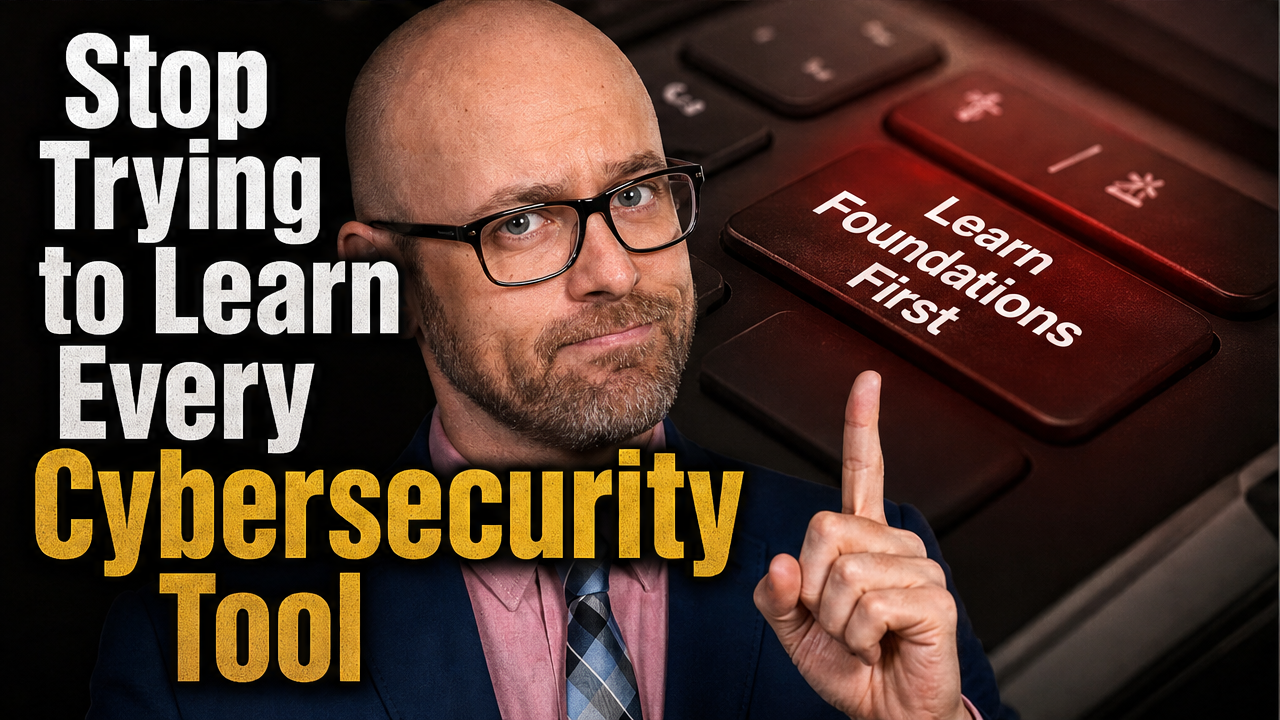
Building a Security Mindset: How to Think Like a Professional Without Technical Expertise

Building a Security Mindset: How to Think Like a Professional Without Technical Expertise
Security isn’t just about firewalls, encryption, or specialized software. The most effective security professionals share a common trait that has nothing to do with technical certifications or programming skills—they think differently about risk, trust, and digital interactions. This mindset can be developed by anyone, regardless of technical background, and it’s increasingly essential in a world where threats evolve faster than most people can learn new technologies.
The security mindset represents a fundamental shift in how individuals approach everyday decisions, from clicking email links to granting app permissions. It combines healthy skepticism with systematic thinking, creating mental models that help identify potential threats before they materialize. For professionals in any field, developing this mindset offers protection not just for systems and data, but for personal reputation and career advancement.
Understanding the Security Mindset
The security mindset differs fundamentally from how most people naturally think. Where typical thinking assumes systems work as intended and people act honestly, security thinking questions those assumptions systematically. This doesn’t mean becoming paranoid or distrusting everyone—it means developing structured patterns for evaluating risk in daily digital interactions.
Security professionals habitually ask “what could go wrong?” in situations where others see only normal operations. When viewing a login form, they consider how someone might bypass it. When receiving an unexpected email, they examine sender details and link destinations before trusting the content. This questioning becomes automatic rather than exhausting because it follows repeatable mental frameworks.
The mindset also recognizes that security exists on a spectrum, not as absolute states. No system is perfectly secure or completely vulnerable. Every decision involves tradeoffs between convenience and protection. Understanding these tradeoffs allows for appropriate responses rather than overreactions or dangerous complacency.
Core Principles of Security Thinking
Several foundational principles guide security thinking across all contexts and technologies.
Assume Breach Mentality
Security professionals operate under the assumption that breaches will occur, shifting focus from “if” to “when” and “how to respond.” This principle drives proactive preparation rather than reactive panic. In practical terms, it means maintaining backup systems, limiting access even for trusted users, and designing processes that remain functional when individual components fail.
For non-technical professionals, this translates to personal practices like using password managers even for low-value accounts, enabling multi-factor authentication everywhere possible, and maintaining offline backups of critical documents. The assumption isn’t that your bank will definitely be compromised—it’s that your response plan should already exist if it happens.
Least Privilege as Default
The principle of least privilege means granting only the minimum access required for any given task. Security professionals default to restrictive permissions, then expand access when justified rather than starting permissive and restricting later.
In everyday application, this means carefully reviewing app permission requests, questioning why a flashlight app needs location access, or why a game requires contact list access. It means creating separate email addresses for different purposes rather than using one address everywhere. These practices limit the damage potential when any single service experiences a breach.
Defense in Depth
No single security measure provides complete protection. Security thinking involves layering multiple defenses so that if one fails, others remain effective. This principle applies equally to enterprise networks and personal digital hygiene.
Practical implementation includes using antivirus software alongside careful browsing habits, maintaining both cloud and local backups, and combining password managers with multi-factor authentication. Each layer addresses different threat vectors and failure modes, creating resilience through redundancy.
Developing Threat Modeling Skills
Threat modeling—identifying potential attacks and their impacts before they occur—represents the practical application of security mindset. This systematic approach can be learned and applied without technical expertise.
Identifying Assets Worth Protecting
Security thinking begins by identifying what actually matters. For individuals, this might include financial accounts, professional credentials, personal communications, and reputation. Not all digital assets require equal protection—prioritization prevents wasted effort and decision fatigue.
Create a simple mental inventory of digital assets by impact if compromised. Banking credentials rank higher than social media passwords. Work email access matters more than newsletter subscriptions. This prioritization guides where to invest time in security measures.
Recognizing Realistic Threats
Not all theoretical threats deserve equal concern. Effective threat modeling distinguishes between probable risks and unlikely scenarios. The average professional faces greater risk from phishing emails than from sophisticated nation-state attacks.
Common threats for most people include:
- Credential theft through phishing or reused passwords
- Account takeover via weak authentication
- Data loss from device failure or ransomware
- Privacy violations through oversharing or insecure apps
- Social engineering exploiting trust or urgency
Understanding actual threat patterns prevents both paranoia and complacency. Security measures should address probable risks before exotic ones.
Evaluating Attack Surfaces
Attack surfaces represent all the points where interaction with systems or people occurs. Each interaction creates potential vulnerability. Security thinking systematically evaluates these surfaces.
Personal attack surfaces include email accounts, social media profiles, banking apps, work systems, connected devices, and physical access to devices. Each represents a different threat vector requiring different protections. Email faces phishing risks. Social media enables social engineering. Banking apps require strong authentication. Physical device access demands encryption and lock screens.
Recognizing Social Engineering
Social engineering—manipulating people into revealing information or taking actions—succeeds because it exploits human psychology rather than technical vulnerabilities. Developing awareness of these techniques provides protection that no software can match.
Common Social Engineering Tactics
Understanding how attackers manipulate decision-making reveals patterns across different attacks.
Authority exploitation creates compliance through impersonation of trusted figures. Emails claiming to come from executives, IT departments, or law enforcement pressure recipients into immediate action without verification. Security thinking questions authority claims, especially when combined with urgency or threats.
Urgency and scarcity tactics override careful thinking. Messages claiming account closures, limited-time offers, or pending penalties create pressure for immediate response. Security thinking recognizes artificial urgency as a red flag requiring extra scrutiny rather than faster action.
Trust exploitation leverages existing relationships or assumed shared interests. Attackers research targets through social media, crafting messages that reference real colleagues, projects, or concerns. Security thinking maintains verification procedures even for apparently familiar communications.
Building Verification Habits
Protection against social engineering requires consistent verification processes that become automatic rather than optional.
Verify through independent channels before acting on unexpected requests. If an email claims to come from a bank, contact the bank through official numbers or websites rather than links in the message. If a colleague requests unusual information, confirm through separate communication channels.
Examine sender details carefully. Check actual email addresses, not just display names. Hover over links before clicking to reveal true destinations. Notice subtle misspellings or unusual domains that mimic legitimate addresses.
Question requests that bypass normal procedures. Legitimate organizations rarely ask for passwords, request gift card purchases, or demand immediate wire transfers through email. Unusual requests warrant extra verification regardless of apparent sender.
Practicing Healthy Skepticism
Security thinking cultivates skepticism without cynicism. This involves questioning claims and verifying information while maintaining functional relationships and avoiding paralysis.
Trust but Verify Approach
Healthy skepticism doesn’t assume everyone is dishonest—it simply confirms important information before acting. This approach maintains relationships while preventing exploitation.
Apply proportional verification based on request risk. Confirming a meeting time requires less scrutiny than authorizing financial transactions. Casual information sharing needs different evaluation than credential requests. Match verification effort to potential impact.
Default to questioning rather than assuming. When receiving unexpected attachments, links, or requests, the first response should be verification questions rather than immediate compliance. This mental habit becomes automatic with practice.
Recognizing Cognitive Biases
Human brains use mental shortcuts that attackers exploit. Awareness of these biases enables better decision-making.
Confirmation bias leads people to accept information matching existing beliefs without scrutiny. Attackers craft messages aligning with target expectations, making them seem more legitimate. Security thinking actively questions comfortable assumptions.
Authority bias creates automatic compliance with perceived authorities. Recognizing this tendency allows for respectful verification even when communications appear to come from trusted sources.
Scarcity and urgency bias drives impulsive decisions when time appears limited. Security thinking recognizes artificial pressure and deliberately slows decision-making for important actions regardless of claimed deadlines.
Applying Security Thinking to Daily Digital Life
Security mindset translates into concrete practices that protect personal and professional digital assets without requiring technical expertise.
Password and Authentication Practices
Password security illustrates security thinking principles across multiple layers.
Use unique passwords for every account, eliminating credential stuffing risks where one breach compromises multiple services. Password managers make this practical without memorizing dozens of complex strings.
Enable multi-factor authentication everywhere it’s offered, particularly for email, banking, and work accounts. This defense layer prevents account takeover even when passwords are compromised.
Create strong master passwords using memorable phrases rather than complex symbols. “Correct-Horse-Battery-Staple” style passwords provide both security and memorability better than “P@ssw0rd123!”
Privacy and Information Sharing
Security thinking guides decisions about what information to share and where.
Review app permissions regularly, revoking access that exceeds functional needs. Location services, contacts, photos, and microphone access should require clear justification beyond developer convenience.
Minimize personal information on public social media profiles. Details about job titles, locations, family members, and schedules enable social engineering attacks. Share selectively with known contacts rather than publicly.
Use separate email addresses for different purposes—one for financial services, another for work, a third for shopping and subscriptions. This compartmentalization limits damage when any single address is compromised or leaked.
Device and Network Security
Physical and network security require mindful practices.
Enable full-disk encryption on all devices containing sensitive information. This protection prevents data access if devices are lost or stolen.
Avoid public WiFi for sensitive activities like banking or work email. When public networks are necessary, use VPN services to encrypt traffic from observation.
Keep software and operating systems updated. Updates often contain security patches for discovered vulnerabilities. Automatic updates remove decision-making burden while maintaining protection.
Lock screens automatically after brief inactivity. Physical access defeats many technical protections, making device locks essential for both theft and unauthorized access scenarios.
Building Security Awareness in Organizations
Security mindset extends beyond personal protection to organizational contribution. Non-technical professionals can significantly improve organizational security through awareness and communication.
Recognizing and Reporting Threats
Security programs depend on employees recognizing and reporting suspicious activities. Non-technical staff often encounter threats before security teams do.
Report suspicious emails, links, or communications to IT or security teams even when uncertain. False positives are preferable to unreported threats. Organizations should encourage reporting without criticism of mistakes.
Notice unusual system behaviors like unexpected popups, performance changes, or unfamiliar programs. These symptoms may indicate compromise requiring investigation.
Document incidents with details about timing, content, and actions taken. Quality incident reports help security teams identify patterns and respond effectively.
Communicating Security Concerns
Effective communication about security issues requires translating observations into actionable information.
Describe specific observations rather than conclusions. “This email claims to come from our bank but the sender address is unusual” provides better information than “This might be phishing.”
Focus on business impacts when raising security concerns to leadership. “This practice could expose customer data” resonates better than “This violates security policy.”
Ask questions when security policies seem unclear or impractical. Policies that people work around provide no security—raising concerns enables improvement.
Continuous Development of Security Thinking
Security mindset strengthens through practice and ongoing education. The threat landscape evolves constantly, requiring updated awareness.
Stay informed about current threat patterns through reputable security news sources. Understanding how attacks evolve helps recognize new variants of familiar tactics.
Practice threat modeling on everyday decisions. When installing apps, joining networks, or sharing information, briefly consider what could go wrong and how to mitigate risks.
Learn from security incidents in the news. Each reported breach offers lessons about attack methods, failure points, and effective responses.
Discuss security concerns with colleagues and peers. Sharing observations and questions builds collective awareness and validates individual concerns.
Moving Forward with Security Mindset
Developing security thinking requires time and practice, but the foundation rests on principles anyone can understand and apply. The mindset isn’t about technical mastery—it’s about systematic questioning, appropriate skepticism, and informed decision-making about digital interactions.
Start with high-impact practices like password managers, multi-factor authentication, and verification habits for unexpected requests. These foundations provide immediate protection while building mental frameworks for security thinking.
Extend the mindset gradually to more areas—app permissions, privacy settings, information sharing, and organizational security practices. Each application strengthens the underlying thinking patterns.
Remember that security exists on a spectrum requiring tradeoffs between protection and convenience. Perfect security is impossible and unnecessary. Appropriate security matches protection to actual risks and enables rather than prevents productive work.
The security mindset ultimately represents professional competence in a digital world. Demonstrating security awareness signals trustworthiness, responsibility, and modern workplace skills regardless of technical role. These qualities advance careers while protecting personal and organizational assets from evolving threats.
Enjoyed this article?
Subscribe to Professor Simon's weekly newsletter for practical insights, career guidance, and leadership lessons delivered every Friday.
A confirmation email will be sent. If you don't receive it, please check your spam or junk folder.
No spam. Unsubscribe anytime.
Prefer to Listen?
Listen to Professor Simon’s IT & Cybersecurity Podcast for practical conversations about cybersecurity careers, certifications, security leadership, and real-world lessons from the field.
Listen on Spotify