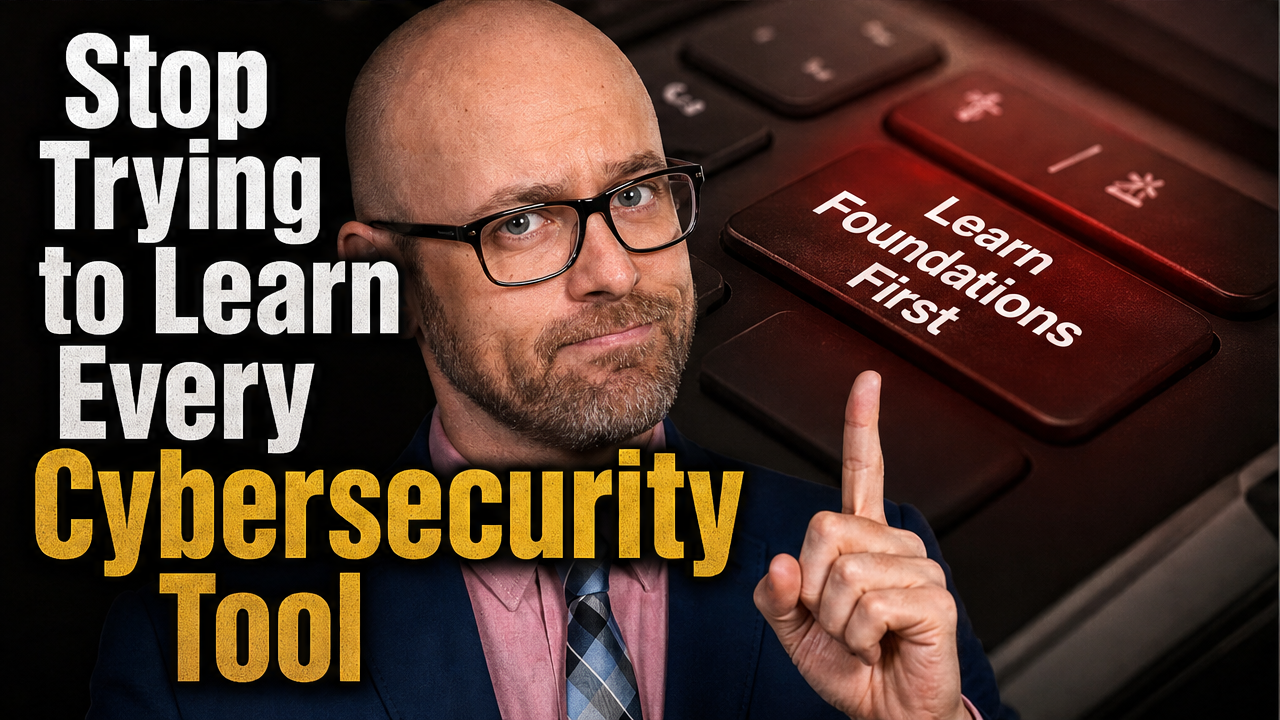
Beyond Technical Skills: The Soft Skills That Will Actually Advance Your Cybersecurity Career

Beyond Technical Skills: The Soft Skills That Will Actually Advance Your Cybersecurity Career
Technical certifications and tools knowledge get cybersecurity professionals in the door. But career advancement in security requires a different skill set entirely—one that many practitioners overlook until they hit a career plateau. While aspiring analysts chase the latest certification or master another security tool, experienced hiring managers consistently look for something else: soft skills that enable professionals to communicate findings, influence stakeholders, lead teams through incidents, and make sound ethical decisions under pressure.
The data supports this shift. ISC2’s 2024 Workforce Study found that 64% of cybersecurity professionals lack the soft skills needed for career advancement, while 70% of security leaders cite communication gaps as the primary cause of delays during incident response. Perhaps most telling, hiring surveys reveal that 92% of managers prefer candidates with strong interpersonal skills over those with advanced certifications when filling mid-level roles. The technical foundation remains essential, but soft skills determine who advances and who stagnates.
This guide examines the specific soft skills that drive cybersecurity careers forward, explains why they matter in real security work, and provides practical approaches for developing each capability. These aren’t abstract concepts—each skill directly impacts daily security operations, from explaining vulnerabilities to non-technical executives to managing cross-departmental collaboration during a data breach.
Communication Skills That Bridge Technical and Business Worlds
Security professionals constantly translate between technical and business contexts. A vulnerability scan finding needs to become a risk statement that executives understand. A phishing incident requires an explanation that helps employees recognize threats without creating panic. An audit report must convey compliance gaps in language that legal teams, IT management, and operational staff can each interpret for their own needs.
Effective security communication goes beyond simplifying technical jargon. It requires understanding the audience’s concerns and priorities. When presenting firewall recommendations to finance leadership, the conversation focuses on regulatory compliance and business continuity rather than packet filtering rules. When explaining the same recommendations to network engineers, technical implementation details become relevant.
Written communication skills matter equally. Security professionals document findings, write incident reports, create policy recommendations, and correspond with vendors and stakeholders. Clear, precise writing prevents misunderstandings that could lead to misconfigurations or inadequate security controls. During forensic investigations, documentation quality directly affects whether evidence remains admissible and whether the organization can reconstruct attack timelines.
Practical communication development comes through deliberate practice. Security professionals can request opportunities to present findings to different departments, volunteer to create security awareness materials, or offer to draft sections of audit reports. Each interaction provides feedback on what resonates with different audiences and where explanations need refinement.
Problem-Solving and Analytical Thinking Beyond Technical Patterns
Cybersecurity presents problems that don’t match textbook scenarios. A production system behaves strangely, but the symptoms don’t align with known malware signatures. An authentication system generates unusual traffic patterns that could indicate compromise or could result from a poorly documented configuration change. A vendor security assessment reveals concerning practices, but replacing that vendor would disrupt critical business operations.
Strong problem-solving skills enable security professionals to work through ambiguity, consider multiple explanations, test hypotheses systematically, and recommend solutions that account for technical constraints and business realities. This analytical capability extends beyond technical troubleshooting to strategic thinking about security architecture, risk prioritization, and resource allocation.
The problem-solving mindset develops through exposure to diverse security challenges. Help desk experience builds troubleshooting fundamentals by requiring systematic elimination of potential causes. Security operations center work expands pattern recognition across different attack types and false positive scenarios. Penetration testing strengthens creative thinking about how systems might be compromised through unexpected paths.
Security professionals can accelerate problem-solving development by documenting their analytical process during investigations, reviewing incident post-mortems to understand what others missed or discovered, and deliberately practicing structured approaches like root cause analysis or the “Five Whys” technique. The goal isn’t following a rigid framework but building mental models that help navigate unfamiliar situations.
Collaboration Across Technical and Non-Technical Teams
Security work rarely happens in isolation. Implementing new authentication controls requires coordination with application teams, network engineers, and database administrators. Responding to a ransomware incident demands simultaneous collaboration with IT operations, legal counsel, public relations, and executive leadership. Rolling out security awareness training involves working with human resources, department managers, and communications staff.
Effective collaboration requires understanding how different teams operate, respecting their constraints and priorities, and finding solutions that advance security without creating unreasonable burdens. The security professional who insists on the most restrictive possible controls without considering operational impact creates friction and resistance. The one who works with teams to identify security improvements that align with existing workflows builds allies and achieves better outcomes.
Cross-functional collaboration skills become particularly critical during security incidents. High-pressure situations amplify personality conflicts and communication breakdowns. Security professionals who can facilitate coordination, manage conflicting priorities, and maintain productive working relationships during crises become invaluable to their organizations.
Building collaboration skills requires intentional relationship development before crises occur. Security professionals benefit from understanding the daily challenges faced by other departments, establishing regular communication channels, involving stakeholders early in security initiatives, and demonstrating flexibility when circumstances allow. The investment in these relationships pays dividends when urgent security issues demand rapid cooperation.
Time Management in High-Pressure Security Environments
Cybersecurity work combines planned projects with unpredictable emergencies. A security analyst might spend the morning investigating phishing attempts, shift to an afternoon meeting about cloud security architecture, and then respond to an after-hours alert about suspicious network traffic. Penetration testers balance current assessments against report writing and follow-up discussions with clients. Security engineers manage routine maintenance, urgent patches, and strategic infrastructure improvements simultaneously.
Effective time management in security requires distinguishing between urgency and impact, maintaining progress on strategic initiatives despite daily interruptions, and meeting deadlines even when new priorities emerge. Security professionals who consistently deliver on commitments build trust with stakeholders and create opportunities for career advancement.
Practical time management approaches in security contexts include using frameworks like the Eisenhower Matrix to categorize tasks by urgency and importance, blocking dedicated time for focused work on projects and reports, setting realistic expectations with stakeholders about delivery timelines, and building buffer time for handling unexpected security events. Some practitioners maintain a “security alert” protocol that defines which situations justify interrupting planned work and which can wait for scheduled review.
The attention to time management extends to meeting efficiency. Security professionals who prepare focused agendas, start and end on time, and follow up with clear action items demonstrate respect for others’ time and increase their influence within organizations.
Attention to Detail That Prevents Security Oversights
Security work punishes small mistakes. A missed firewall rule creates an unintended network exposure. An incorrect permission setting grants excessive access. A typo in a security script bypasses intended controls. A overlooked log entry misses evidence of compromise. These details matter because attackers actively search for exactly these kinds of oversights.
Developing strong attention to detail requires creating systems and habits that catch errors before they cause problems. Security professionals use checklists for routine tasks, implement peer review for significant changes, maintain detailed documentation that can be cross-referenced during troubleshooting, and verify assumptions rather than relying on memory.
The attention to detail mindset also means recognizing when something seems slightly off even without obvious indicators. An authentication pattern that falls within normal parameters but differs subtly from typical behavior might warrant investigation. A system configuration that technically complies with policy but creates unusual conditions deserves a second look. This sensitivity to anomalies develops through experience but strengthens through deliberate practice of observation and verification.
Organizations that implement systematic review processes, maintain clear documentation standards, and create a culture where questioning unusual findings is valued rather than dismissed help security professionals develop stronger attention to detail. Individual practitioners can build this skill by implementing personal verification steps, learning from past mistakes without defensiveness, and studying incidents where small oversights led to significant impacts.
Leadership Without Formal Authority
Most security professionals spend years working without formal management authority. Junior analysts influence security practices through recommendations rather than directives. Senior specialists guide technical decisions without direct reports. Even security managers often implement controls that depend on cooperation from teams they don’t supervise.
This reality makes leadership without authority a critical capability. Security professionals advance by demonstrating that their judgment deserves trust, building credibility through consistent delivery and technical expertise, framing security recommendations in terms of others’ priorities and concerns, and creating influence through collaboration rather than escalation.
Effective informal leadership shows up in multiple contexts. A security analyst who notices a recurring vulnerability pattern might initiate a cross-team working group to address the root cause. A penetration tester might create security guidance documents that development teams voluntarily adopt. A security operations professional might mentor junior staff from other departments who show interest in security topics.
Building leadership capabilities starts with seeking small opportunities to guide outcomes. Security professionals can volunteer to lead security-related projects, offer to present technical topics to broader audiences, create resources that help others solve security challenges, and build reputations as reliable sources of security expertise. Each successful initiative builds credibility that enables larger leadership opportunities.
Business Acumen That Connects Security to Organizational Success
Technical security professionals often miss opportunities because they frame everything in security terms rather than business impact. A proposal to implement multifactor authentication focuses on reducing credential compromise risk rather than maintaining customer trust and avoiding regulatory penalties. A request for security staffing emphasizes workload rather than connecting team capacity to the organization’s ability to respond to incidents without business disruption.
Developing business acumen means understanding how organizations generate revenue, what operational factors drive success, how strategic decisions get made, what competitive pressures exist, and how security enables or constrains business objectives. Security professionals with this understanding communicate more effectively with leadership, prioritize security initiatives more strategically, and advance more quickly into influential roles.
Practical business learning doesn’t require an MBA. Security professionals can attend organizational business reviews when possible, read their company’s financial reports and strategic plans, ask questions about business drivers during project discussions, follow industry news that affects their organization, and seek mentorship from colleagues with business backgrounds. Understanding concepts like return on investment, total cost of ownership, opportunity cost, and risk tolerance helps frame security discussions in business language.
This business perspective transforms how security professionals approach their work. Instead of implementing maximum security controls, they recommend controls appropriate to the risk tolerance and resources of the specific organization. Instead of presenting problems, they propose solutions that acknowledge constraints. Instead of viewing business pressures as obstacles to security, they look for ways security can enable business objectives.
Emotional Intelligence in Security Operations and Incident Response
Security work creates emotional pressure. Incident responders work extended hours during breaches while facing criticism about how the compromise occurred. Penetration testers deliver findings that might upset clients who expected better security postures. Security analysts deal with alert fatigue and the stress of knowing that missing a critical indicator could lead to significant damage. Security leaders balance competing demands from technical teams, business units, and executive leadership.
Emotional intelligence—the capability to recognize and manage one’s own emotions and understand others’ emotional states—directly impacts security effectiveness. Professionals who maintain composure during incidents make better decisions and help teams stay focused. Those who recognize when stakeholders feel defensive about security findings can adjust their approach to achieve better outcomes. Leaders who sense team stress can intervene before burnout affects security operations.
Developing emotional intelligence requires self-awareness about personal stress responses, recognition of how different people react to security issues, and deliberate practice of techniques like active listening, empathy, and emotional regulation. Security professionals benefit from reflecting on high-pressure situations to identify what went well and what could improve, seeking feedback about how their communication affects others, and learning to separate technical discussions from personal reactions.
Organizations support emotional intelligence development by creating psychological safety where security teams can discuss challenges without blame, providing resources for stress management and work-life balance, and modeling emotionally intelligent leadership during security incidents. Individual practitioners strengthen these skills through mindfulness practices, professional development focused on interpersonal effectiveness, and mentorship relationships where emotional aspects of security work can be discussed openly.
Ethical Judgment in Sensitive Security Situations
Security professionals regularly encounter ethical dilemmas. During penetration testing, a vulnerability might expose sensitive personal information that goes beyond the test scope. When reviewing access logs, an analyst might notice concerning activity by a colleague or executive. While investigating an incident, evidence might suggest intentional insider actions rather than external compromise. When implementing monitoring, questions arise about employee privacy and appropriate surveillance.
Strong ethical judgment means recognizing these situations, understanding the principles at stake, consulting established frameworks and policies, seeking guidance when appropriate, and making decisions that maintain professional integrity even when doing so creates personal discomfort. The field’s ethical foundations rest on maintaining confidentiality, operating within legal and policy boundaries, avoiding conflicts of interest, and prioritizing the organization’s legitimate security needs over personal convenience.
Security professionals can develop ethical decision-making capabilities by studying established codes of ethics like the ISC2 Code of Ethics, discussing ethical scenarios with mentors and peers, understanding the legal and regulatory frameworks that govern their work, and reflecting on past situations where ethical questions arose. Organizations strengthen ethical cultures by creating clear reporting channels for concerns, protecting those who raise ethical issues, and demonstrating through actions that ethical conduct matters more than avoiding short-term difficulties.
The credential bodies and professional associations in cybersecurity emphasize ethics precisely because security work involves trust, access to sensitive information, and significant power to affect systems and data. Professionals who build reputations for ethical conduct create career opportunities that would otherwise remain inaccessible.
Adaptability and Continuous Learning Beyond Certifications
Technology stacks change, attack techniques evolve, business priorities shift, and organizational structures reorganize. Security professionals who thrive over decades rather than just early career years demonstrate adaptability—the capability to learn new domains, adjust approaches when circumstances change, and remain effective despite uncertainty and transformation.
This adaptability differs from simply collecting certifications or attending conferences. It involves genuine curiosity about emerging technologies, willingness to work outside established expertise areas, comfort with ambiguity during transitions, and resilience when initiatives fail or strategies need revision. Security professionals who wait for formal training before engaging with new challenges find themselves perpetually behind those who experiment, ask questions, and learn through doing.
Practical adaptability development comes through seeking diverse experiences rather than specializing too narrowly, volunteering for projects involving unfamiliar technologies, maintaining awareness of industry trends through reading and professional networks, and reflecting on past changes to understand what strategies helped during transitions. Organizations support adaptability by encouraging experimentation, accepting that learning involves mistakes, and providing exposure to different aspects of security operations.
The most adaptable security professionals treat their careers as ongoing learning journeys rather than destinations reached through specific certifications or job titles. They recognize that today’s expertise becomes tomorrow’s baseline, and continuous development of both technical and soft skills enables long-term career sustainability.
Applying Soft Skills to Real Security Career Paths
Understanding these soft skills matters most when applied to actual career development. An analyst working in a security operations center can strengthen communication skills by volunteering to present weekly threat intelligence updates, build collaboration capabilities by establishing regular check-ins with the help desk team to discuss security concerns they’re seeing, and develop leadership by mentoring new SOC analysts. Each of these activities directly benefits current work while building capabilities needed for senior analyst or team lead roles.
A security engineer focused on infrastructure can develop business acumen by attending project meetings with business stakeholders to understand their requirements, practice problem-solving by participating in architecture reviews outside their immediate domain, and strengthen time management by committing to specific delivery dates for security improvements and consistently meeting those commitments. These efforts position the engineer for security architect or management roles that require broader perspective.
An entry-level professional in help desk or general IT support can leverage that position to build security-relevant soft skills by developing exceptional troubleshooting documentation that demonstrates attention to detail, seeking opportunities to work with security teams on user-reported incidents, and building cross-departmental relationships that will support a future transition into security roles. The communication skills, user empathy, and collaborative capabilities developed in support roles translate directly to security analyst work.
Career transitions become more achievable when professionals can articulate how their soft skills complement technical capabilities. The former restaurant server can explain how high-pressure service during busy periods builds the stress management and communication skills needed for security incident response. The teacher changing careers can describe how adapting explanations for different learning styles translates to tailoring security communications for diverse audiences. The project manager entering security can leverage their existing collaboration and time management expertise while adding technical knowledge.
Creating a Development Plan for Security Soft Skills
Building soft skills requires the same intentional approach as technical skill development. Security professionals benefit from assessing current capabilities honestly, identifying specific skills that would unlock career opportunities, creating concrete development activities, and measuring progress over time.
A practical soft skills development plan might include specific actions like requesting presentation opportunities at team meetings, joining a local Toastmasters group to practice public speaking, volunteering to lead a small security initiative, scheduling regular one-on-one conversations with colleagues in other departments, or taking online courses in business fundamentals. The key is choosing activities that provide real practice and feedback rather than passive learning.
Mentorship relationships accelerate soft skills development by providing guidance from experienced professionals who have navigated similar challenges. A mentor can offer perspective on how to handle difficult stakeholder conversations, suggest ways to build credibility in a new role, or provide feedback on professional communication. Many security professionals find value in multiple mentors who can advise on different aspects of career development.
Regular reflection helps consolidate learning from experience. Security professionals might maintain a journal noting challenging interactions and what approaches worked or failed, schedule quarterly self-assessments of progress on specific soft skills, or seek structured feedback from managers and peers about areas showing improvement and areas needing continued development. This reflection transforms experience into genuine learning rather than simply accumulating time in role.
Moving Beyond the Technical-Only Mindset
The cybersecurity field will always require strong technical foundations. Threat detection demands understanding of network protocols, system architectures, and attack patterns. Incident response requires knowledge of forensic techniques, malware analysis, and containment strategies. Security engineering needs expertise in authentication systems, encryption, and secure development practices.
But technical skills alone don’t explain why some security professionals advance to senior leadership while others remain stuck in individual contributor roles despite deep expertise. The difference consistently comes down to soft skills—the capabilities that enable professionals to influence decisions, lead teams, communicate effectively, and navigate the human dimensions of security work.
Security professionals who recognize this reality early and deliberately develop both technical and soft skills create compounding career advantages. They become the analysts who get promoted to lead teams, the engineers who move into architecture roles, the specialists who transition into management, and the individual contributors whose recommendations carry weight because they’ve built credibility through consistent professionalism.
The path forward requires balancing continued technical learning with intentional soft skills development, seeking opportunities that stretch interpersonal and leadership capabilities, and building a reputation for professionalism that goes beyond technical competence. These investments pay dividends throughout multi-decade careers in a field where change remains constant but human skills retain enduring value.
Enjoyed this article?
Subscribe to Professor Simon's weekly newsletter for practical insights, career guidance, and leadership lessons delivered every Friday.
A confirmation email will be sent. If you don't receive it, please check your spam or junk folder.
No spam. Unsubscribe anytime.
Prefer to Listen?
Listen to Professor Simon’s IT & Cybersecurity Podcast for practical conversations about cybersecurity careers, certifications, security leadership, and real-world lessons from the field.
Listen on Spotify