Building a LinkedIn Profile That Gets Noticed With Zero Experience
A blank work history is the thing most career changers and new graduates assume will sink their LinkedIn profile before a recruiter ever gets far enough to actually consider them. It’s a reasonable fear. It’s also the wrong thing to fix first.
Most zero-experience profiles fail for a more basic reason: they’re built around what’s missing instead of what’s actually there. There’s more real material to work with than it feels like at the start, it just needs to be organized differently than a traditional resume-style profile assumes.
Prefer to read the full breakdown? Keep scrolling. Prefer to watch? Full video above.
The Headline Is Doing More Work Than It Looks Like
The default headline LinkedIn generates, current job title or “Student at X University,” wastes the single most visible piece of real estate on the entire profile. Recruiters and hiring managers scan headlines before they ever click into a full profile, and a generic one gives them nothing to click for.
A stronger headline states a direction and a credential or project in progress, something like “Aspiring SOC Analyst | Security+ In Progress | Building a Home Lab” rather than “Recent Graduate” or “Looking for Opportunities.” The second version tells a recruiter nothing they can act on. The first tells them exactly what to search for when they’re filling a specific role.
The About Section Should Tell a Direction, Not Apologize for a Gap
A common instinct is to open the About section explaining the lack of experience, something like “I don’t have direct security experience yet, but I’m eager to learn.” That framing puts the weakness first and asks the reader to look past it. Nobody reads past an opening line that sounds like an apology.
A stronger version leads with direction and specificity: what’s being built right now, what problem the person is trying to solve for an employer, and one or two concrete details that prove real engagement rather than just interest. Something like describing a home lab project, a specific certification path, or a CTF platform actively being worked through, tells a very different story than a general statement of enthusiasm. Specificity is what separates someone who’s genuinely doing the work from someone who’s just decided they like the idea of the field.
Turn Projects Into Experience Entries
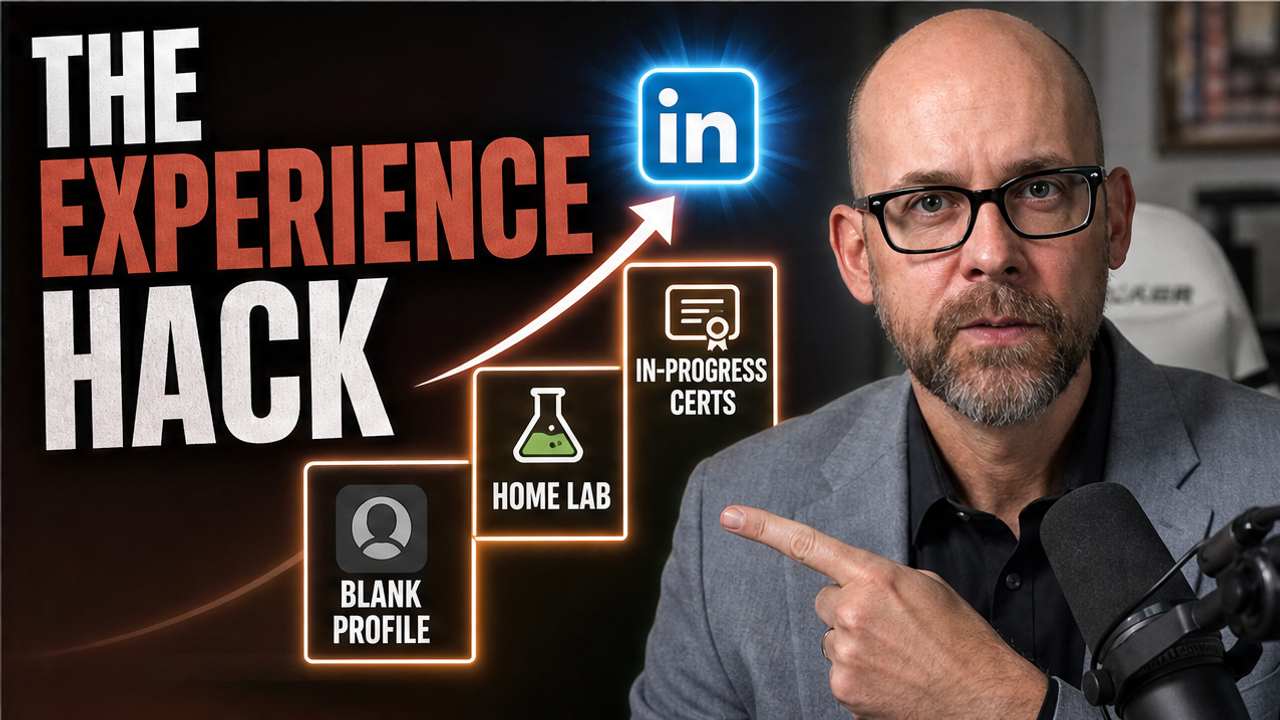
This is the single highest-leverage move for a zero-experience profile, and the one most people skip. LinkedIn’s Experience section doesn’t require a job. A documented home lab project, a completed CTF challenge series, a personal blog explaining a security concept, a relevant class project, can all go in as their own entries, with a description written the same way a job description would be: what was done, what tools were used, what the outcome was.
This does two things at once. It fills a section that otherwise looks empty next to someone else’s job history, and it gives a recruiter something concrete to ask about in an interview, which is a much better position to be in than hoping the interview never gets to the experience question at all.
Certifications and Skills Sections, Used Precisely
An in-progress certification belongs on the profile, clearly labeled as in progress rather than implied as complete. Recruiters and applicant tracking systems both search by keyword, and a certification listed honestly as “in progress” still surfaces in those searches, while omitting it entirely means missing that visibility altogether.
The Skills section is worth curating deliberately rather than accepting LinkedIn’s auto-suggestions. List the specific tools and platforms that actually match the roles being targeted, not a broad, generic list, since a recruiter searching LinkedIn’s talent database is often filtering by exact skill matches.
Activity Matters More Than People Expect
An empty activity feed, no posts, no comments, no engagement, quietly signals inactivity to anyone who checks a profile before reaching out. This doesn’t require a full content strategy. Commenting thoughtfully on a few posts from people in the target field, sharing a genuine reaction to an article, or writing a short post about something learned recently, all create a visible signal that this is a real, active person paying attention to the field, not a static profile that exists purely as a placeholder.
The Photo and Banner Are Not Optional
A profile without a photo gets dramatically less engagement, this holds true across every study LinkedIn and third parties have published on the subject. It doesn’t need to be professionally shot, it needs to be clear, well-lit, and represent someone approachable. The banner image, frequently left as the default, is free real estate for a second impression, a simple graphic naming the target role or a relevant quote does more than a blank blue background.
What This Adds Up To
None of this manufactures experience that doesn’t exist. It organizes real effort, a home lab, a certification in progress, genuine engagement with the field, into a format a recruiter is actually trained to scan for. A zero-experience profile built this way doesn’t read as empty. It reads as someone early in a deliberate, visible process, which is a genuinely different impression than a profile that just says, in effect, not yet.
Enjoyed this article?
Subscribe to Professor Simon's weekly newsletter for practical insights, career guidance, and leadership lessons delivered every Friday.
A confirmation email will be sent. If you don't receive it, please check your spam or junk folder.
No spam. Unsubscribe anytime.
Prefer to Listen?
Listen to Professor Simon’s IT & Cybersecurity Podcast for practical conversations about cybersecurity careers, certifications, security leadership, and real-world lessons from the field.
Listen on Spotify