File Scanning and Sanitization: How Organizations Keep Digital Documents Safe
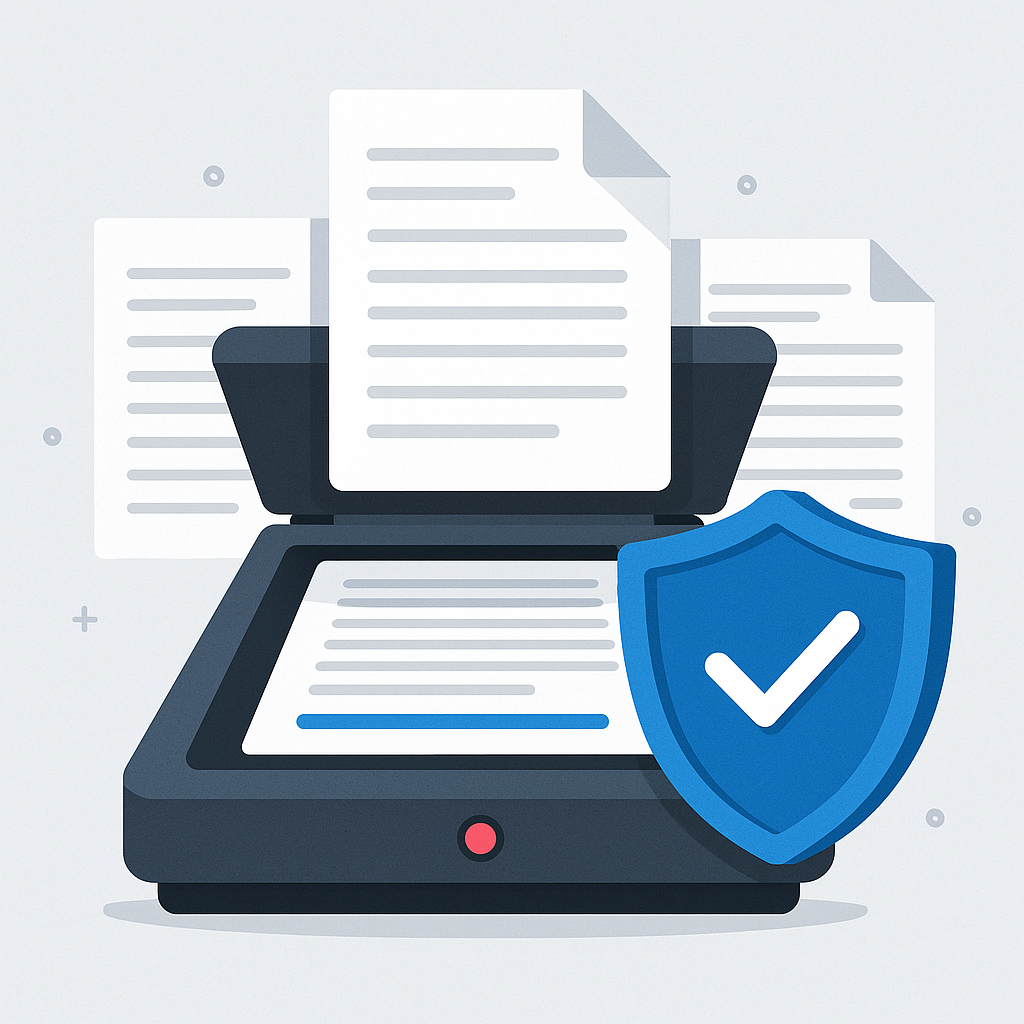
File Scanning and Sanitization: How Organizations Keep Digital Documents Safe
That PDF attachment in your email might look harmless. The Word document from a vendor appears perfectly normal. But hidden beneath the surface of these everyday files can lurk sophisticated malware designed to bypass traditional security measures. Understanding how modern organizations protect against these threats matters for anyone working with digital files—which means essentially everyone in today’s workforce.
File-based threats represent one of the oldest attack vectors in cybersecurity, yet they remain remarkably effective. As organizations adopt remote work, cloud storage, and complex supply chains, the number of files crossing network boundaries has exploded. Traditional antivirus scanning, while important, often misses the sophisticated malware embedded in common document types. This reality has driven organizations toward advanced techniques like content disarmament and behavioral analysis to keep their systems safe.
Why Traditional File Scanning Falls Short
Most people understand the basic concept of virus scanning—software checks files against a database of known malware signatures. When a match occurs, the file gets quarantined or deleted. This approach worked reasonably well for decades, but modern threats have evolved beyond its capabilities.
Signature-based scanning has a fundamental limitation: it can only detect threats it already knows about. Attackers respond by creating polymorphic malware that changes its signature with each infection, rendering traditional databases useless. More concerning, zero-day exploits—attacks targeting previously unknown vulnerabilities—slip past signature-based defenses entirely because no signature exists yet.
The sophistication of file-based malware has increased dramatically. Attackers embed malicious code in PDF JavaScript, Office macros, or even image file metadata. Recent security research shows that 87% of organizations faced AI-enhanced attacks in 2025, many delivered through manipulated files that appeared legitimate to conventional scanners. These files often contain no executable code in the traditional sense, instead exploiting vulnerabilities in the applications that open them.
File types commonly exploited include:
- Microsoft Office documents with embedded macros
- PDF files containing malicious JavaScript or exploit code
- Image files with corrupted headers that trigger application vulnerabilities
- Archive files (ZIP, RAR) designed to evade scanning through compression
- Shortcut files (.lnk) that execute malicious commands when opened
Understanding Content Disarmament
Content disarmament, also called file sanitization or Content Disarm and Reconstruction (CDR), represents a fundamentally different approach to file security. Rather than trying to identify specific threats, CDR assumes all files are potentially dangerous and strips away elements that could contain malicious code.
The process works by deconstructing files into their component parts, analyzing each element, removing potentially dangerous content, and reconstructing a safe version of the file that preserves its core functionality. A Word document processed through CDR keeps its text and formatting but loses embedded macros, hidden objects, and executable elements that could harbor threats.
This approach addresses several critical weaknesses in traditional scanning. CDR protects against unknown threats because it removes potentially dangerous elements regardless of whether they’re currently recognized as malicious. It prevents sophisticated attacks that hide malware in legitimate file features like macros or scripts. The technique also reduces false positives since it focuses on removing capabilities rather than identifying specific threats.
Content disarmament does have limitations. Some file functionality gets lost in the sanitization process—a spreadsheet with legitimate macros for automation will have those macros removed. Organizations must balance security needs against operational requirements, sometimes maintaining separate processes for trusted internal files versus external documents. The processing also adds latency, though modern cloud-based systems minimize this delay.
How Different Industries Handle File Security
File security requirements vary significantly across sectors, with each industry developing approaches suited to its specific threats and operational constraints.
Healthcare organizations face particular challenges. Medical facilities constantly exchange files with insurance companies, labs, other providers, and patients. Patient records contain both sensitive personal information and clinical data that must remain accessible to authorized users. Healthcare facilities typically deploy sanitization gateways at network boundaries, scanning all inbound files while maintaining separate processes for trusted medical imaging files that require perfect fidelity.
The 2024 Change Healthcare breach demonstrated the stakes—malicious PDFs exploited unpatched scanners, leading to a breach costing millions and disrupting healthcare operations nationwide. Organizations that had implemented CDR for vendor communications reduced similar incidents by approximately 70% according to vendor benchmarks.
Manufacturing and critical infrastructure confront unique file security challenges due to operational technology (OT) systems. Industrial control systems often run on older operating systems that can’t support modern endpoint security tools. A malicious file introduced into an OT environment could disrupt physical processes, potentially causing safety incidents or production shutdowns.
These sectors implement air-gapped file sanitization, where USB drives and documents must pass through dedicated sanitization workstations before entering OT networks. The approach prevents threats from crossing between IT and OT environments, following established frameworks like the Purdue Model for industrial network segmentation. This methodology proved its worth following attacks like Stuxnet, which spread through infected USB drives to target industrial systems.
Financial institutions handle massive volumes of files from customers, vendors, and regulatory bodies. They deploy automated workflows combining Data Loss Prevention (DLP) with CDR, scanning files both for malicious content and sensitive data that shouldn’t be shared. These systems integrate with Security Information and Event Management (SIEM) platforms to flag anomalies in sanitized outputs, providing both security and compliance benefits.
Remote work environments create particular challenges since files traverse unsecured home networks before reaching corporate systems. Organizations address this through VPN-enforced sanitization where employees upload files to secure portals that strip dangerous elements before allowing access to corporate resources. Endpoint agents on company-issued devices provide additional protection by scanning files before they leave employee systems.
Practical File Sanitization Methods
Organizations implement file sanitization through various methods, each with distinct advantages and use cases.
Gateway-based sanitization positions scanning infrastructure at network entry points—typically email gateways or web proxies. All inbound files pass through sanitization before reaching user endpoints. This centralized approach ensures consistent protection and simplifies management, though it requires sufficient processing capacity to handle file volumes without creating bottlenecks.
Endpoint-based sanitization installs agents on individual devices to scan files as users download or open them. This approach works well for remote workers and provides protection even when devices connect outside corporate networks. However, it requires managing agents across potentially thousands of endpoints and relies on those devices having sufficient processing power.
Cloud-native sanitization leverages cloud platforms to scan files uploaded to cloud storage or shared through cloud applications. Modern organizations using services like Google Workspace or Microsoft 365 can implement CDR that integrates directly with these platforms, scanning files transparently as users collaborate. This approach scales easily and works well for distributed teams but requires trust in the cloud provider’s security implementation.
Hybrid approaches combine multiple methods, using gateway sanitization for email and web traffic while deploying endpoint agents for additional protection on critical systems. This defense-in-depth strategy provides redundancy but increases complexity and cost.
Real-World Implementation Challenges
Organizations implementing file sanitization encounter several practical challenges that require careful planning and management.
Balancing security and usability represents the primary challenge. Aggressive sanitization that strips all active content from documents provides excellent security but may render files unusable for their intended purpose. A contract that requires digital signatures won’t work if sanitization removes signature capabilities. Financial models built on Excel macros become useless if those macros get stripped.
Organizations address this by creating tiered approaches: high-security sanitization for external files from unknown sources, moderate sanitization for known business partners, and minimal or no sanitization for verified internal files. This requires effective file classification and source verification, adding complexity to the implementation.
Performance considerations matter, especially for organizations processing large file volumes. Healthcare systems may handle thousands of medical images daily. Financial institutions process millions of transaction records. Sanitization that introduces significant delays disrupts operations and frustrates users.
Modern cloud-based sanitization platforms address performance through distributed processing and optimization, but organizations must still plan capacity carefully. Some implement asynchronous sanitization where files are scanned in the background while users receive immediate access to non-sanitized versions, with alerts triggered if threats are found.
Legacy system integration challenges arise frequently. Organizations running older applications or file formats may find that sanitization breaks compatibility. Proprietary file formats used in specialized industries may not be supported by sanitization tools designed for common document types.
Emerging Threats and Future Considerations
The file threat landscape continues evolving, driven by advancing attacker capabilities and changing technology environments.
AI-enhanced file threats represent a growing concern. Attackers now use artificial intelligence to create sophisticated phishing documents that adapt content based on the recipient, embed realistic synthetic images to increase credibility, and evade detection by learning from scanning systems. These AI-generated threats require sanitization approaches that go beyond signature matching to include behavioral analysis and anomaly detection.
Deepfake technology applied to documents creates new risks. Attackers can now generate convincing fake documents, images, and even video files embedded in presentations. While not necessarily containing malware, these files spread misinformation or support social engineering attacks. Sanitization systems are beginning to incorporate AI-based detection to flag potentially synthetic content.
Quantum computing, though still emerging, poses future challenges to file security. Encrypted archives and password-protected documents that currently resist scanning may become trivially easy to crack with quantum computers. Organizations in high-security sectors are exploring quantum-safe encryption for files, ensuring sanitized documents remain protected even as computing power increases.
Supply chain file risks have grown as organizations depend on complex networks of vendors and partners. A malicious file introduced anywhere in the supply chain can propagate through trusted relationships. Regulatory frameworks are beginning to mandate file inspection at supply chain interfaces, particularly for critical infrastructure and government contractors.
Blockchain-hosted stolen data represents an emerging threat vector where attackers exfiltrate files before encryption in ransomware attacks, then host stolen data on distributed systems that are difficult to take down. This evolution means sanitization must work in conjunction with Data Loss Prevention to prevent sensitive files from leaving the organization in the first place.
Building Practical File Security Skills
For individuals entering cybersecurity or IT roles, understanding file security provides valuable practical knowledge and career opportunities.
Starting with foundational tools helps build understanding without significant investment. ClamAV provides open-source antivirus scanning that supports multiple file types and platforms. Learning to configure and interpret ClamAV results develops practical skills in signature-based detection and file analysis. The VirusTotal platform allows uploading suspicious files for scanning by multiple engines simultaneously, offering insight into how different vendors detect threats.
Understanding file formats and structure matters as much as knowing scanning tools. Learning how Office documents store macros, how PDFs implement JavaScript, or how image files structure metadata enables deeper analysis of potential threats. Free tools like 7-Zip can decompress and examine archive structures, while text editors can reveal hidden content in some file types.
Developing skills with scripting languages like Python enables automation of file security tasks. Scripts can batch scan directories, extract and analyze file metadata, or automate sanitization workflows. These practical abilities demonstrate capability to employers and solve real operational challenges.
Pursuing vendor-neutral certifications like CompTIA Security+ or CySA+ provides recognized credentials covering file-based threats. More advanced certifications like GIAC Certified Forensic Analyst (GCFA) include detailed coverage of file analysis and malware detection. For those interested in the operational technology applications mentioned earlier, certifications in industrial control system security specifically address OT file security challenges.
Practical Guidelines for Organizations and Individuals
Implementing effective file security requires clear policies and procedures alongside technical controls.
Organizations should establish file handling policies that specify which file types are permitted from external sources, define sanitization requirements based on file origin and classification, establish procedures for handling files that fail sanitization, and create exceptions processes for legitimate files that require active content. These policies need regular review as threats evolve and business requirements change.
Employee training remains critical since technical controls alone can’t prevent all file-based attacks. Training should help staff recognize suspicious file indicators like unexpected file extensions or mismatched file types, understand when to escalate suspicious files to security teams, and follow proper procedures for sharing sensitive files externally.
For individuals working with sensitive information, practical precautions reduce risk even without enterprise security infrastructure. Download files only from trusted sources with verified authenticity. Use built-in operating system features to block macro execution by default. Maintain separate user accounts for administrative tasks versus daily work to limit malware impact. Keep applications updated to patch vulnerabilities that file-based exploits target. Consider using virtual machines or sandbox environments when opening files from questionable sources.
Small and medium businesses without dedicated security teams can leverage managed service providers (MSPs) that offer file sanitization as part of comprehensive security packages. Cloud-based email security platforms increasingly include CDR capabilities that integrate with standard business email services. The investment typically costs far less than recovering from a file-based breach.
The Broader Security Context
File sanitization represents just one component of comprehensive security strategy. No single control provides complete protection, making defense-in-depth approaches essential.
File security integrates with email security since email attachments represent the most common file-based attack vector. Organizations should implement email filtering that scans attachments before delivery, blocks high-risk file types from unknown senders, and educates users about email-specific threats. Combined email and file security creates overlapping defenses that catch threats missed by either system alone.
Endpoint Detection and Response (EDR) platforms complement file sanitization by monitoring file behavior after sanitization. Even if sanitization misses a threat, EDR can detect suspicious file activity and contain the breach. This combination provides both prevention and response capabilities.
Network segmentation limits the damage when malicious files penetrate defenses. Properly segmented networks prevent threats from spreading laterally even if one system gets compromised through a malicious file. This approach proves particularly important in operational technology environments where compromises could affect physical systems.
Regular backups ensure recovery capability if file-based ransomware bypasses all other controls. Backups stored offline or in immutable storage provide the last line of defense, enabling restoration without paying ransom.
Moving Forward With File Security
The sophistication of file-based threats will continue increasing as attackers adopt new technologies and techniques. Organizations that treat file security as a one-time implementation rather than ongoing process will find their defenses quickly outdated.
Effective file security requires understanding that no perfect solution exists. Content disarmament provides strong protection against many threats but can’t catch everything. Signature-based scanning offers fast detection of known threats but misses novel attacks. Behavioral analysis detects suspicious activity but may generate false positives.
The most effective approach combines multiple methods, regularly evaluates and updates security controls, maintains awareness of emerging threats, and develops incident response capabilities for when prevention fails.
For individuals building cybersecurity careers, file security expertise remains highly relevant despite the focus on cloud and mobile security. Files continue serving as primary attack vectors, and organizations need professionals who understand both the technical and operational aspects of file protection. The field offers opportunities ranging from security operations roles analyzing suspicious files to architecture positions designing enterprise sanitization strategies to specialized industrial security protecting critical infrastructure.
Understanding how organizations keep digital documents safe provides practical knowledge applicable across cybersecurity domains, from endpoint security to incident response to security architecture. As digital files proliferate and file-based threats grow more sophisticated, this knowledge becomes only more valuable for protecting organizations and advancing careers in cybersecurity.
Enjoyed this article?
Subscribe to Professor Simon's weekly newsletter for practical insights, career guidance, and leadership lessons delivered every Friday.
A confirmation email will be sent. If you don't receive it, please check your spam or junk folder.
No spam. Unsubscribe anytime.
Prefer to Listen?
Listen to Professor Simon’s IT & Cybersecurity Podcast for practical conversations about cybersecurity careers, certifications, security leadership, and real-world lessons from the field.
Listen on Spotify