Business Email Compromise: Understanding the Hidden Threat in Your Inbox
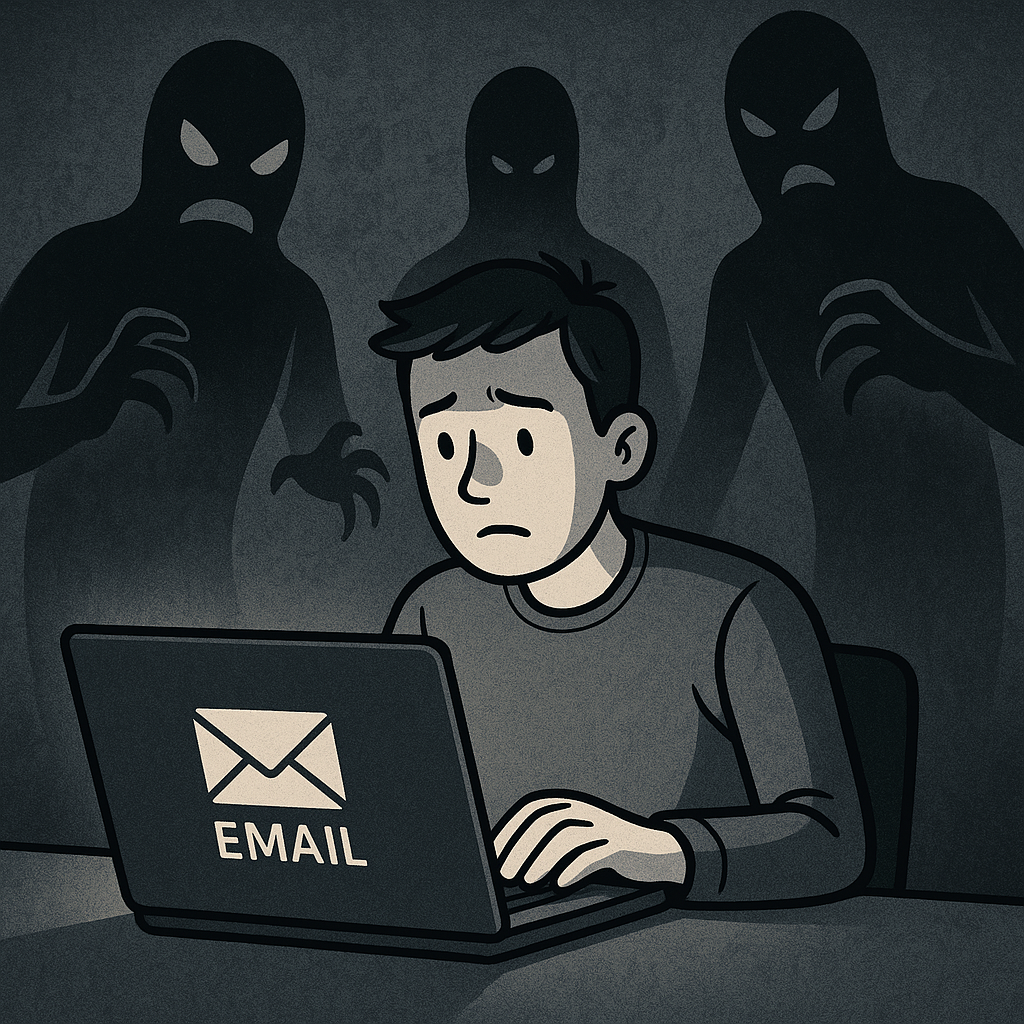
Business Email Compromise: Understanding the Hidden Threat in Your Inbox
A finance employee receives an email from the CEO requesting an urgent wire transfer. The message appears in an existing email thread about vendor payments. The tone matches previous communications perfectly. Without hesitation, the employee processes the $847,000 transfer—only to discover hours later that the CEO never sent the request. The company’s email system was compromised three weeks earlier, and attackers had been silently reading every message, waiting for the perfect moment to strike.
This scenario plays out thousands of times each year in organizations of every size. Business Email Compromise has become the most financially damaging cybercrime in the United States, yet many professionals have never heard of it. Unlike ransomware attacks that make headlines or obvious phishing emails caught by spam filters, BEC attacks succeed by exploiting something far more vulnerable than technology: human trust in everyday business communications.
Understanding how these attacks work—and why they’re so effective—has become essential knowledge for anyone handling payments, vendor relationships, or sensitive communications in a professional setting.
What Makes Business Email Compromise Different
Business Email Compromise operates without the traditional warning signs most people associate with cybercrime. There are no suspicious attachments, no obvious grammar mistakes, and no requests to click unfamiliar links. Instead, attackers exploit legitimate business processes and relationships that employees interact with every day.
The FBI’s Internet Crime Complaint Center reported 21,442 BEC complaints in 2024, resulting in $2.8 billion in losses—representing 83% of all cyber-enabled fraud losses despite being only the seventh most reported crime type. These attacks succeed because they look exactly like normal business activity until money disappears.
Traditional email scams rely on volume, sending thousands of generic messages hoping a small percentage will respond. BEC attacks work differently. Attackers research specific organizations, study communication patterns, identify key relationships, and time their strikes for maximum effectiveness. A single successful BEC attack averages $137,000 in losses, an 83% increase from 2019 levels.
The distinction matters for defenders. Security tools designed to catch malware or block suspicious domains often miss BEC attempts entirely because nothing technically malicious occurs. The emails come from legitimate accounts, reference real business relationships, and request actions that fall within normal operational procedures.
How Attackers Gain Access and Stay Hidden
The first challenge in defending against BEC is understanding how attackers establish and maintain access to email systems. The methods used rarely involve sophisticated technical exploits—instead, they leverage features built into every email platform.
Attackers typically gain initial access through targeted phishing campaigns, with 74% of BEC attacks beginning this way. Unlike generic phishing attempts, these messages specifically target employees with access to financial systems or executive communications. Once credentials are obtained, the real work begins.
Rather than immediately sending fraudulent payment requests, experienced attackers establish persistence mechanisms that allow them to monitor communications invisibly for weeks or months. Email forwarding rules automatically copy all incoming and outgoing messages to external accounts without leaving obvious traces. Mailbox delegation grants access without requiring the original password. OAuth applications authorized through legitimate-looking consent screens maintain access even after passwords change.
These persistence techniques explain a troubling trend: 58% of targeted organizations in 2023 lacked multi-factor authentication, but by the first quarter of 2024, that number dropped to 25%. Attackers adapted by shifting focus to organizations with MFA already enabled, using the techniques above to maintain access once they’ve authenticated once.
The invisibility factor creates the most significant challenge. Compromised accounts continue functioning normally for legitimate users while attackers silently observe. They learn communication styles, identify upcoming transactions, understand approval processes, and wait for opportunities—often targeting periods when key personnel are on vacation and verification procedures might be relaxed.
Thread Hijacking: The Most Dangerous Variant
Among BEC techniques, thread hijacking represents the most sophisticated and difficult to detect. Unlike traditional approaches where attackers initiate new conversations, thread hijacking inserts fraudulent messages into existing, legitimate email threads.
The process works like this: after compromising an account, attackers monitor ongoing conversations about payments, invoices, or account changes. At a strategically chosen moment—often near the conclusion of a transaction—they inject a message that appears to come from a trusted participant. The message might request a last-minute change to payment details, suggest an alternative account for processing, or introduce urgency that discourages verification.
Because the message appears within an established conversation thread with genuine prior messages, recipients have little reason to question its legitimacy. The email headers show the correct sender, the conversation history provides context, and the request seems reasonable within the existing discussion.
Organizations experienced a 137% increase in vendor email compromise variants of BEC in 2023, many involving thread hijacking. These attacks target the payment side of business relationships, where vendor requests for updated banking information occur regularly enough to seem routine but infrequently enough that formal verification procedures may not exist.
The reputational damage from successful thread hijacking extends beyond immediate financial losses. When a vendor receives payment instructions that appear to come from your organization but actually lead to attacker-controlled accounts, the resulting confusion damages trust built over years of partnership. Fourteen percent of BEC victims recover zero funds, but the cost of damaged business relationships often exceeds the stolen amount.
The True Cost Beyond Stolen Funds
Financial losses dominate BEC discussions, but organizations that experience these attacks face several categories of costs that don’t appear in FBI statistics. Understanding the full impact helps explain why prevention matters even for organizations with cyber insurance or robust fraud recovery procedures.
The average data breach now costs organizations $5.01 million, with BEC incidents representing 8.5% of all breaches. However, these figures capture only direct costs—forensic investigation, legal fees, notification requirements, and regulatory fines. They don’t account for operational disruption, vendor relationship damage, or reputational harm.
When payments disappear, the immediate crisis involves determining what happened, notifying affected parties, and attempting recovery. This process pulls key personnel away from normal operations, often for weeks. Finance teams freeze similar transactions pending investigation. Legal counsel becomes involved. Vendor relationships require extensive communication to explain delays and missing payments.
The reputational impact varies by organization size and market position. Large enterprises may weather a single incident with minimal public awareness. Small and mid-size organizations face more significant challenges when word spreads through their professional community. Vendors become hesitant about future transactions. Prospective partners conduct additional due diligence. Insurance premiums increase.
For organizations in finance, healthcare, or other sectors with regulatory requirements around data protection, BEC incidents may trigger compliance investigations even when no protected information was directly compromised. The email account access that enables BEC typically provides visibility into other sensitive communications, expanding the scope of potential breach notification requirements.
Warning Signs in Everyday Communications
Most BEC attacks succeed because they closely mimic legitimate business communications, but certain patterns appear frequently enough that awareness can prevent successful compromises. Recognizing these warning signs requires no technical expertise—just attention to communication details that typically remain consistent in genuine business interactions.
Unexpected urgency represents the most common manipulation tactic. Legitimate business processes rarely require immediate wire transfers without prior discussion. Requests that discourage verification by emphasizing time sensitivity or confidentiality deserve heightened scrutiny.
Communication channel inconsistencies provide another indicator. When an executive who typically calls about financial matters suddenly sends detailed wire transfer instructions via email, the change warrants verification. Similarly, vendors who have always invoiced through formal systems shouldn’t suddenly request payment via alternative methods through casual email.
Subtle changes in email addresses or display names fool many recipients. An attacker might register a domain similar to your organization’s (replacing a lowercase ‘L’ with an uppercase ‘i’, for example) and rely on recipients not carefully checking the actual address. Display names can be set to anything, showing “John Smith, CFO” while the actual address belongs to someone else entirely.
Payment instruction changes arriving near transaction completion should always trigger verification through alternative channels. Legitimate banking updates typically come through formal processes, not last-minute emails in existing threads.
Language and tone anomalies sometimes reveal compromises, though experienced attackers study communication patterns before striking. An executive who never uses certain phrases or always signs messages a specific way might indicate a compromised account when those patterns change.
Practical Verification Steps Anyone Can Implement
The most effective defenses against BEC don’t require sophisticated technical solutions or expensive security tools. Organizations of any size can implement verification procedures that stop the vast majority of attacks before financial damage occurs.
Five core verification steps create significant barriers for attackers:
First, verify all payment changes and unusual requests through independent channels. Never use contact information provided in the suspicious email—call the person using a number from your organization’s directory or a vendor’s official website. Text messages and instant messages through known channels work well. The key is ensuring the verification method doesn’t rely on the potentially compromised email account.
Second, establish mandatory dual authorization for wire transfers and significant payment changes. Requiring two employees to independently verify and approve transactions eliminates single points of failure. This process can be as simple as a finance manager calling a supervisor to confirm unusual requests before processing.
Third, create specific procedures for payment timing and channels. Establish expectations that certain types of transactions follow specific processes and use particular communication methods. When requests deviate from established procedures, automatic verification requirements should trigger.
Fourth, implement regular email security hygiene checks. All employees should periodically review email forwarding rules, mailbox delegates, and authorized OAuth applications. Unauthorized entries in any of these areas indicate potential compromise and warrant immediate investigation. These checks require no special technical knowledge—email platforms provide interfaces for reviewing these settings.
Fifth, maintain centralized vendor contact information that bypasses individual email communications. When payment instructions change, verification should reference this centralized source rather than previous email threads that might be compromised.
Organizations should document these procedures clearly and train employees on their importance. The training doesn’t need to be technical—explaining real BEC examples and walking through verification steps proves more effective than theoretical security awareness content.
Building Organizational Resilience
Beyond individual verification steps, organizational culture and communication norms significantly impact BEC risk. Creating an environment where verification is expected rather than questioned reduces the social engineering advantage attackers exploit.
Financial personnel should never feel pressured to skip verification procedures due to urgency or requests from executives. Organizations that genuinely need urgent payments can accommodate brief verification delays—legitimate requests will understand. Creating explicit policies that authorize employees to pause and verify without fear of criticism removes a key pressure point attackers exploit.
Response planning matters as much as prevention. Organizations should establish clear procedures for handling suspected BEC attempts: who gets notified, what immediate actions are taken, how communications with affected vendors proceed, and when external expertise should be engaged. Having these procedures documented before an incident enables faster, more effective response.
Recovery procedures should address both financial and relational aspects. While working with financial institutions and law enforcement on fund recovery, organizations must simultaneously communicate transparently with affected vendors and partners. Quick, honest communication about security incidents often preserves business relationships better than delayed or incomplete explanations.
Regular tabletop exercises that simulate BEC scenarios help teams practice response procedures and identify gaps before real incidents occur. These exercises don’t require sophisticated technical setup—simply walking through realistic scenarios and discussing how the organization would respond provides valuable preparation.
Moving Forward with Practical Awareness
Business Email Compromise succeeds because it exploits fundamental aspects of how organizations conduct business: trust in email communications, reliance on established relationships, and pressure to process transactions efficiently. No single technical solution eliminates these vulnerabilities because the root issue isn’t technical—it’s procedural and cultural.
The attacks will continue evolving as defenders adapt. The shift from targeting non-MFA organizations to focusing on persistence mechanisms demonstrates attacker adaptability. The rise in thread hijacking shows increasing sophistication. The expansion from CEO fraud to vendor email compromise illustrates the breadth of potential targets.
What remains constant is the effectiveness of simple verification procedures. Attackers succeed when organizations prioritize speed over verification, when individuals hesitate to question unusual requests, and when communication channels go unexamined for signs of compromise. Closing these gaps doesn’t require enterprise-grade security tools—it requires conscious procedural changes and organizational commitment to verification as standard practice.
For individuals entering the workforce or early in their careers, understanding BEC provides essential context for workplace communication norms. Questions about payment processes aren’t signs of distrust—they’re professional security hygiene. Verification calls aren’t bureaucratic obstacles—they’re prudent business practice that protects both the organization and the relationships it depends on.
The $2.8 billion lost to BEC in 2024 represents thousands of successful attacks against organizations that likely had email security tools, antivirus software, and firewalls. The attacks succeeded anyway because they targeted the human elements of business processes rather than technical vulnerabilities. Defending against them requires addressing the same human elements through clear procedures, organizational culture, and practical awareness of how these attacks work in everyday business contexts.
Enjoyed this article?
Subscribe to Professor Simon's weekly newsletter for practical insights, career guidance, and leadership lessons delivered every Friday.
A confirmation email will be sent. If you don't receive it, please check your spam or junk folder.
No spam. Unsubscribe anytime.
Prefer to Listen?
Listen to Professor Simon’s IT & Cybersecurity Podcast for practical conversations about cybersecurity careers, certifications, security leadership, and real-world lessons from the field.
Listen on Spotify